Original: $7.95
-65%$7.95
$2.78The Story
Rosa pisocarpa
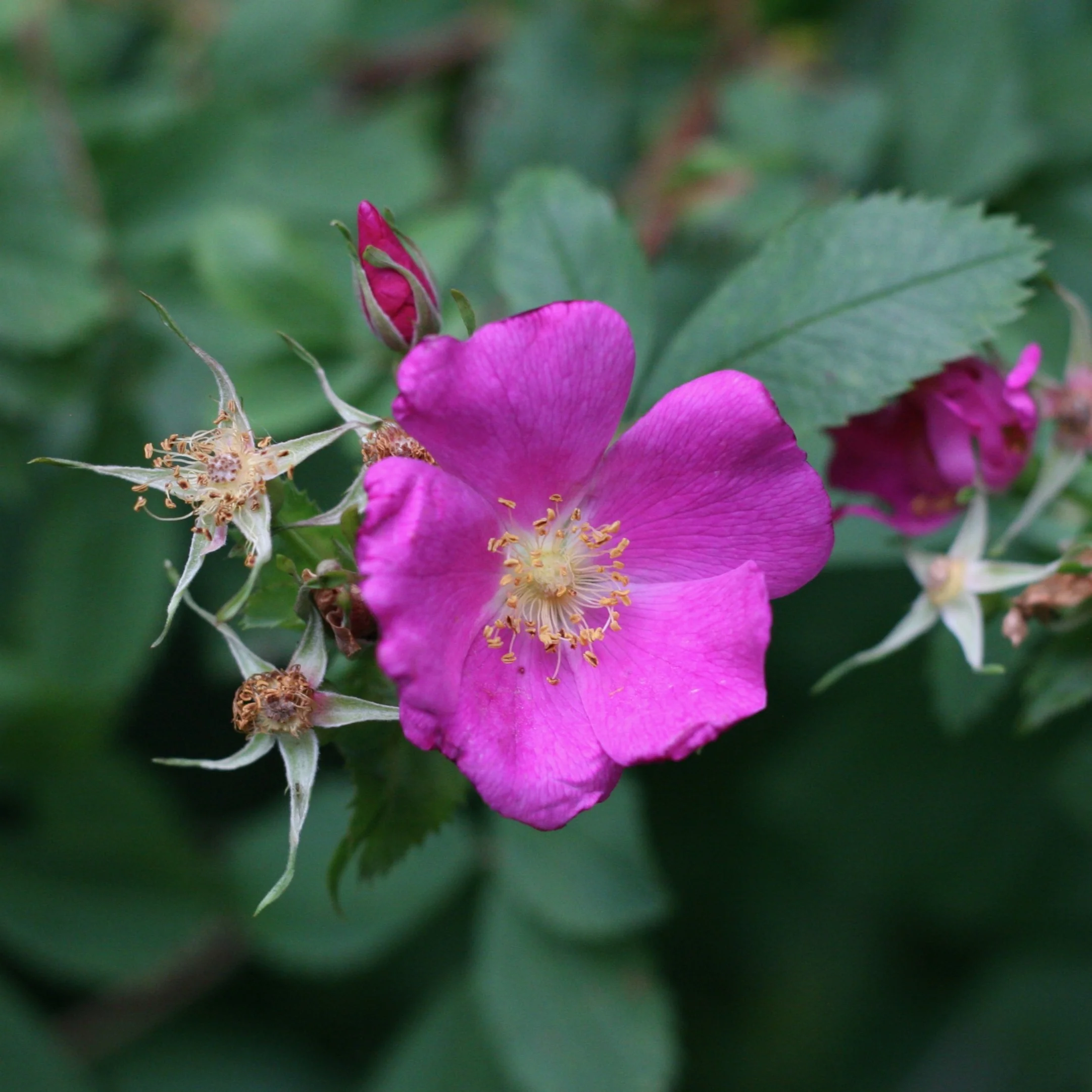
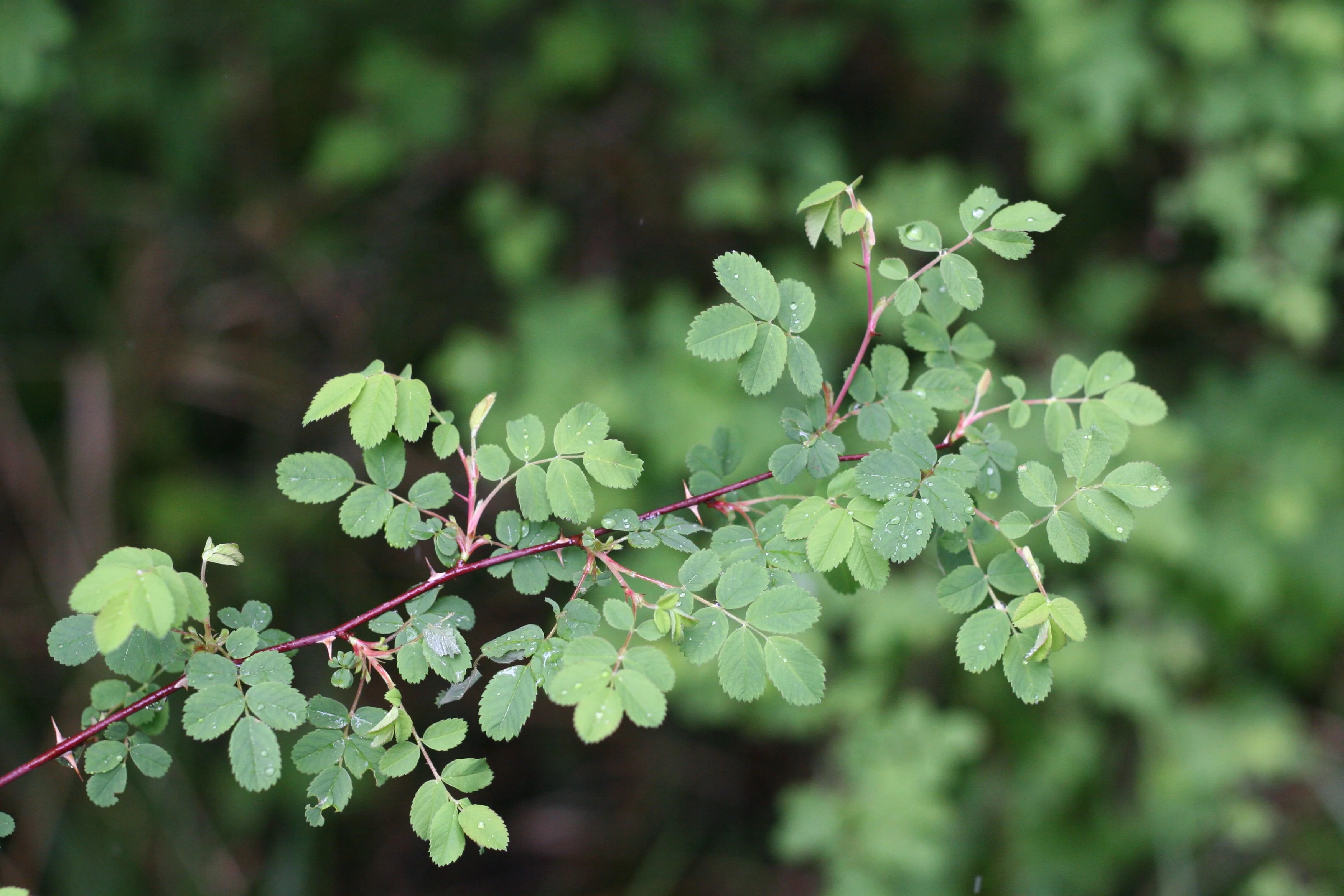
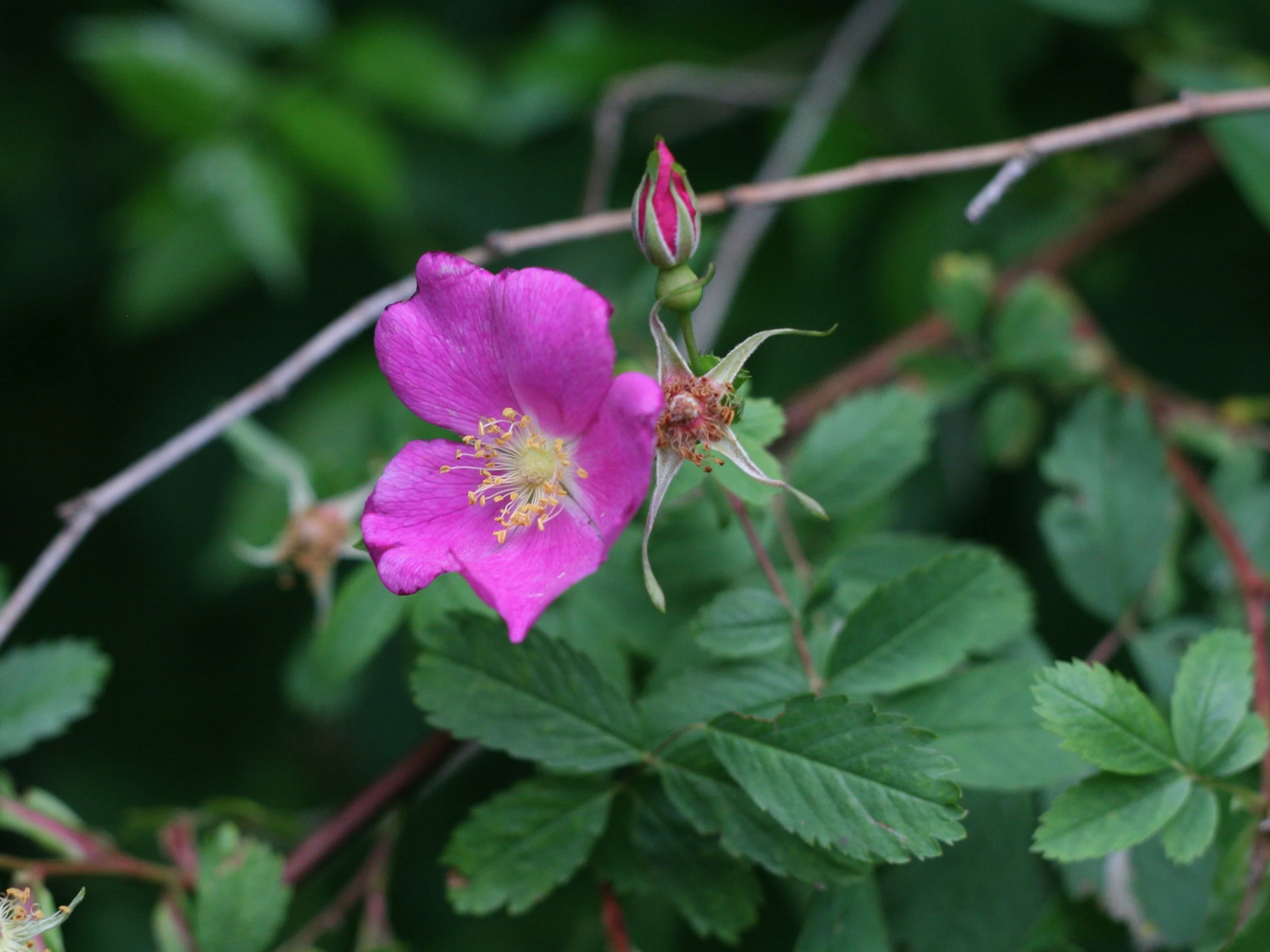
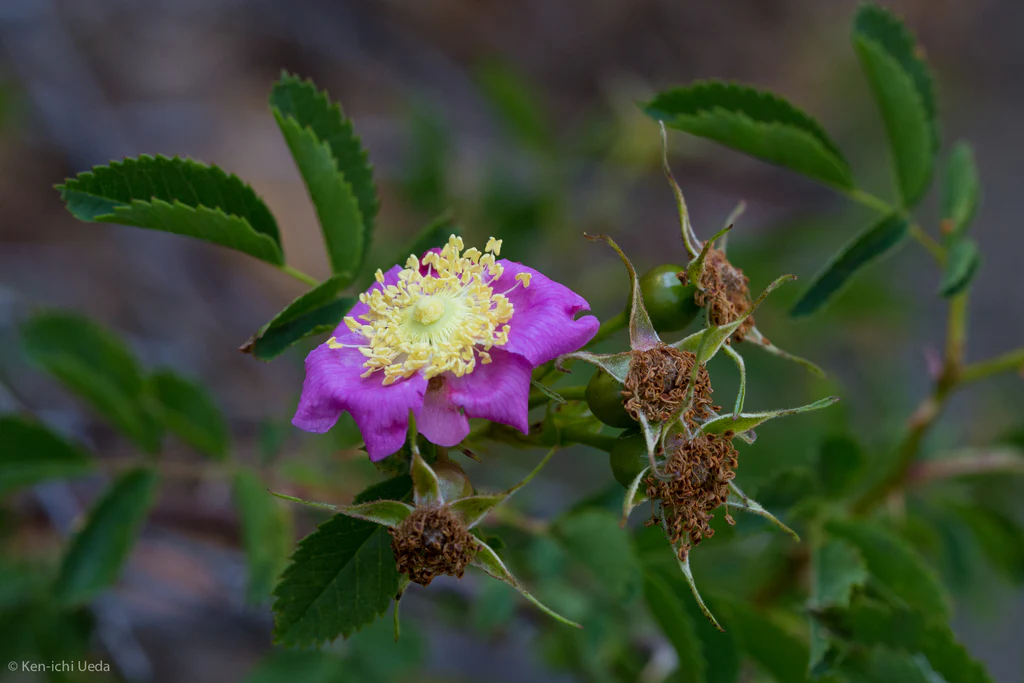
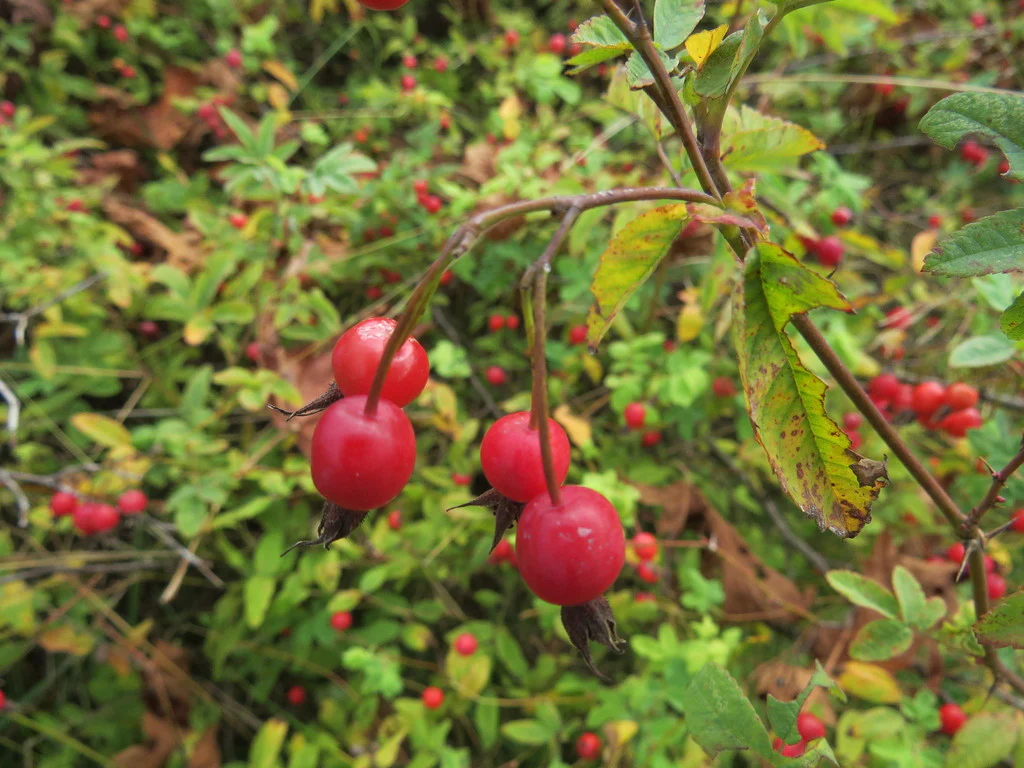
Clustered wild rose, also known as swamp rose or peafruit, is a deciduous thicket-forming shrub revered by pollinators and wildlife. From late spring through summer, clusters of up to 20 five-petaled, powder-pink flowers will sweeten your yard with their graceful simplicity and gentle fragrance. As the season persists, flowers are replaced by orange to purplish, pea-sized fruits that are a magnet for neighborhood birds.
- Plant type/canopy layer: deciduous, perennial, large shrub
- Size at maturity: 1-9' tall, 2-6' wide
- Light requirements: full sun, part sun/part shade
- Moisture requirements: moist to wet soil
- Bloom time: May - Aug
- Growth rate/ease: medium growth rate, easy to grow
- Wildlife support: flowers are a nectar source for hummingbirds and adult butterflies and attract and support bees and other insect pollinators; fruits are a highly attractive food source to birds and small mammals; overall plant attracts and supports beneficial and other pest eating insects, is a caterpillar host plant and larval food source for butterflies and moths, and is thicket forming over time which provides essential cover for birds and small mammals
- Native habitat/range: grows in moist or shady thickets, riparian areas, forest edges, and on rocky slopes, at low to mid elevations, generally from the coast to the Cascades from British Columbia to northern California. Portland Plant List - yes.
- Special features & uses: pollinator and wildlife favorite; highly medicinal - the hips have been boiled into tea for tens of thousands of years and are rich in vitamins and minerals, such as A, C, & E. A decoction of the roots can be used to treat sore throats or as an eyewash, tea from the bark can ease labor pain; landscape uses include erosion control, pollinator gardens, raingardens, woodland garden edges, privacy screens, hedgerows, and wildlife thickets
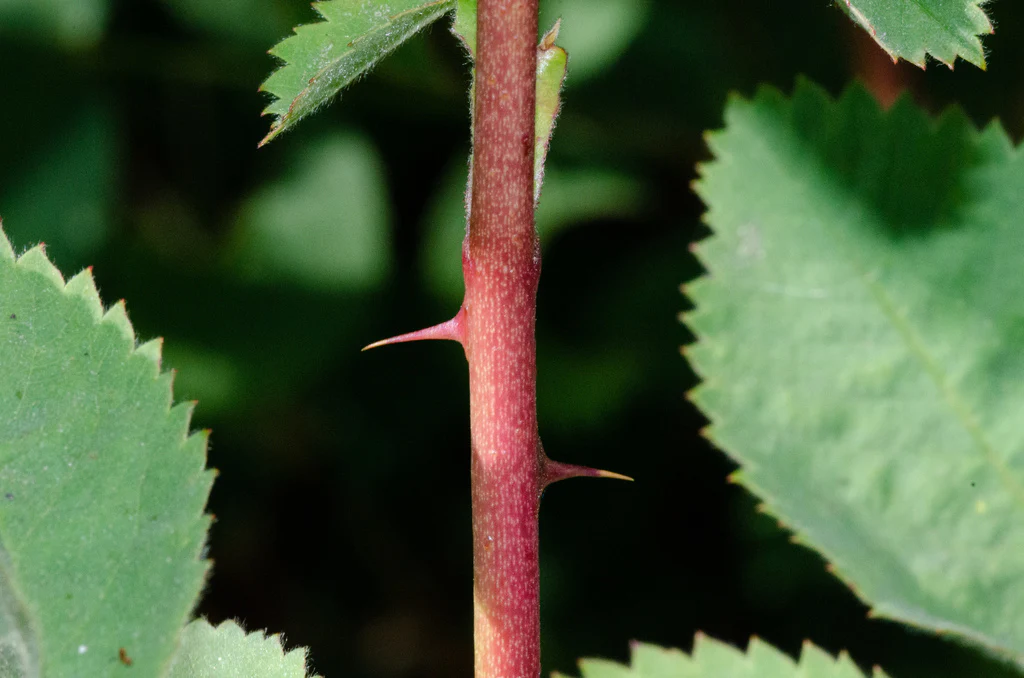
Gardening with Clustered Wild Rose: Clustered wild rose grows very similarly and can be difficult to distinguish from its Nootka cousin; both similar in form and thriving in areas with part-to-full sunlight. This species, however, boasts iconic clusters of flowers and fruits and less prickers. It is also slightly less aggressive and will tolerate constant flooding and poorly-draining soils, making it an excellent choice for erosion control and bank stabilization. Allow it to become a thicket and you’ll be rewarded by a plethora of overjoyed wildlife and its sweet fragrance filling the air.
Photo Credits 1-3 (flowers, branch): Karli Del Biondo, Beetles Bees
Photo Credit 4 (flower, hips): © Ken-ichi Ueda, some rights reserved (CC-BY)
Photo Credit 5 (spines): © Don Loarie, some rights reserved (CC-BY)
Photo Credit 6 (fruits): - © Jack Bindernagel, some rights reserved (CC-BY)
Photo Credit 7 (branches, chickadee): "Black-capped chickadee (Parus atricapillus) foraging in a clustered wild rose (Rosa pisocarpa) bush" by Holy Outlaw is licensed under CC BY-ND 2.0.
Details & Craftsmanship
Every detail has been carefully considered to bring you the perfect product.
Details & Craftsmanship
Every detail has been carefully considered to bring you the perfect product.
Details & Craftsmanship
Every detail has been carefully considered to bring you the perfect product.
Details & Craftsmanship
Every detail has been carefully considered to bring you the perfect product.
Details & Craftsmanship
Every detail has been carefully considered to bring you the perfect product.
Details & Craftsmanship
Every detail has been carefully considered to bring you the perfect product.
Description
Rosa pisocarpa
Clustered wild rose, also known as swamp rose or peafruit, is a deciduous thicket-forming shrub revered by pollinators and wildlife. From late spring through summer, clusters of up to 20 five-petaled, powder-pink flowers will sweeten your yard with their graceful simplicity and gentle fragrance. As the season persists, flowers are replaced by orange to purplish, pea-sized fruits that are a magnet for neighborhood birds.
- Plant type/canopy layer: deciduous, perennial, large shrub
- Size at maturity: 1-9' tall, 2-6' wide
- Light requirements: full sun, part sun/part shade
- Moisture requirements: moist to wet soil
- Bloom time: May - Aug
- Growth rate/ease: medium growth rate, easy to grow
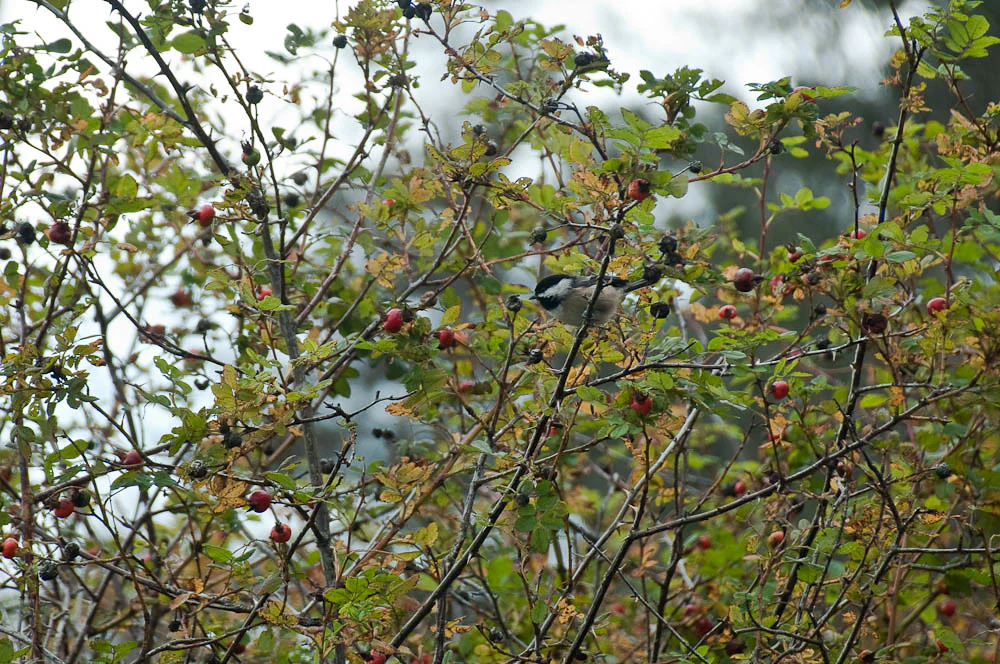
- Wildlife support: flowers are a nectar source for hummingbirds and adult butterflies and attract and support bees and other insect pollinators; fruits are a highly attractive food source to birds and small mammals; overall plant attracts and supports beneficial and other pest eating insects, is a caterpillar host plant and larval food source for butterflies and moths, and is thicket forming over time which provides essential cover for birds and small mammals
- Native habitat/range: grows in moist or shady thickets, riparian areas, forest edges, and on rocky slopes, at low to mid elevations, generally from the coast to the Cascades from British Columbia to northern California. Portland Plant List - yes.
- Special features & uses: pollinator and wildlife favorite; highly medicinal - the hips have been boiled into tea for tens of thousands of years and are rich in vitamins and minerals, such as A, C, & E. A decoction of the roots can be used to treat sore throats or as an eyewash, tea from the bark can ease labor pain; landscape uses include erosion control, pollinator gardens, raingardens, woodland garden edges, privacy screens, hedgerows, and wildlife thickets
Gardening with Clustered Wild Rose: Clustered wild rose grows very similarly and can be difficult to distinguish from its Nootka cousin; both similar in form and thriving in areas with part-to-full sunlight. This species, however, boasts iconic clusters of flowers and fruits and less prickers. It is also slightly less aggressive and will tolerate constant flooding and poorly-draining soils, making it an excellent choice for erosion control and bank stabilization. Allow it to become a thicket and you’ll be rewarded by a plethora of overjoyed wildlife and its sweet fragrance filling the air.
Photo Credits 1-3 (flowers, branch): Karli Del Biondo, Beetles Bees
Photo Credit 4 (flower, hips): © Ken-ichi Ueda, some rights reserved (CC-BY)
Photo Credit 5 (spines): © Don Loarie, some rights reserved (CC-BY)
Photo Credit 6 (fruits): - © Jack Bindernagel, some rights reserved (CC-BY)
Photo Credit 7 (branches, chickadee): "Black-capped chickadee (Parus atricapillus) foraging in a clustered wild rose (Rosa pisocarpa) bush" by Holy Outlaw is licensed under CC BY-ND 2.0.