Original: $9.95
-65%$9.95
$3.48The Story
Gaultheria shallon
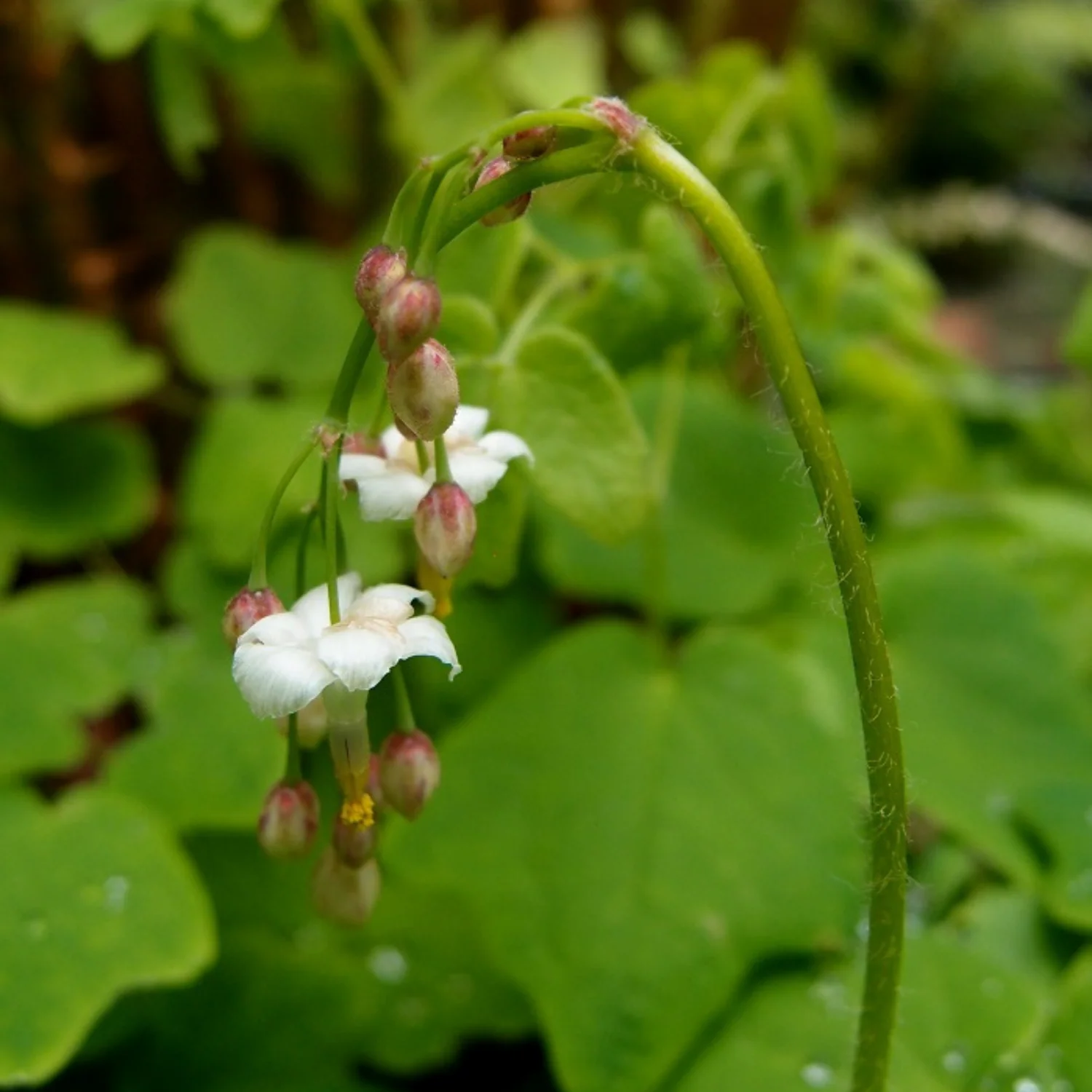
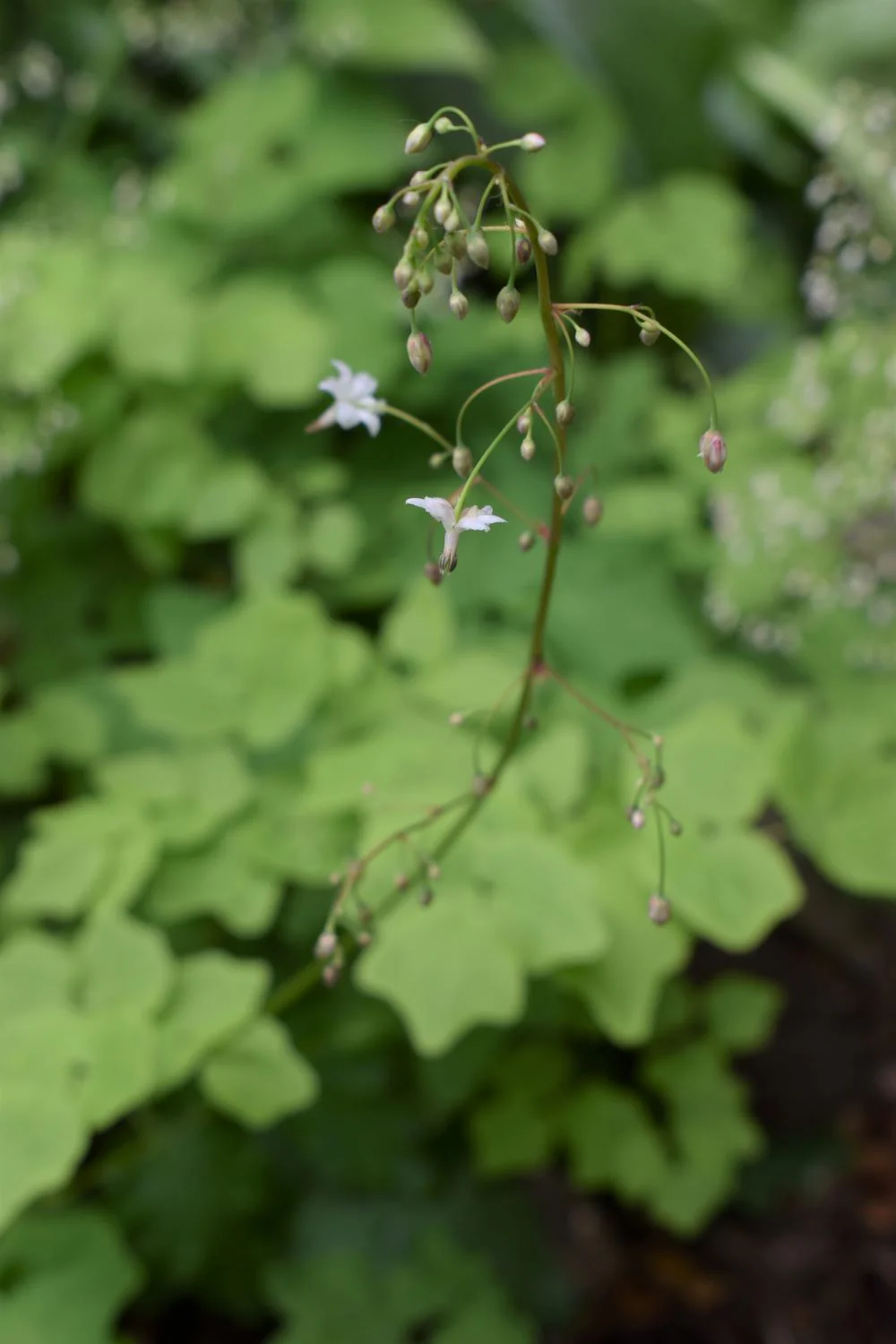
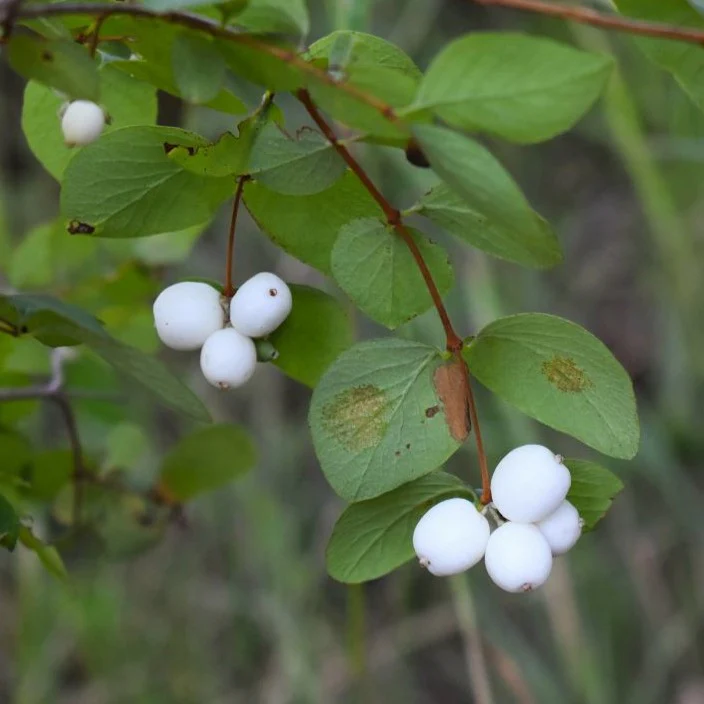
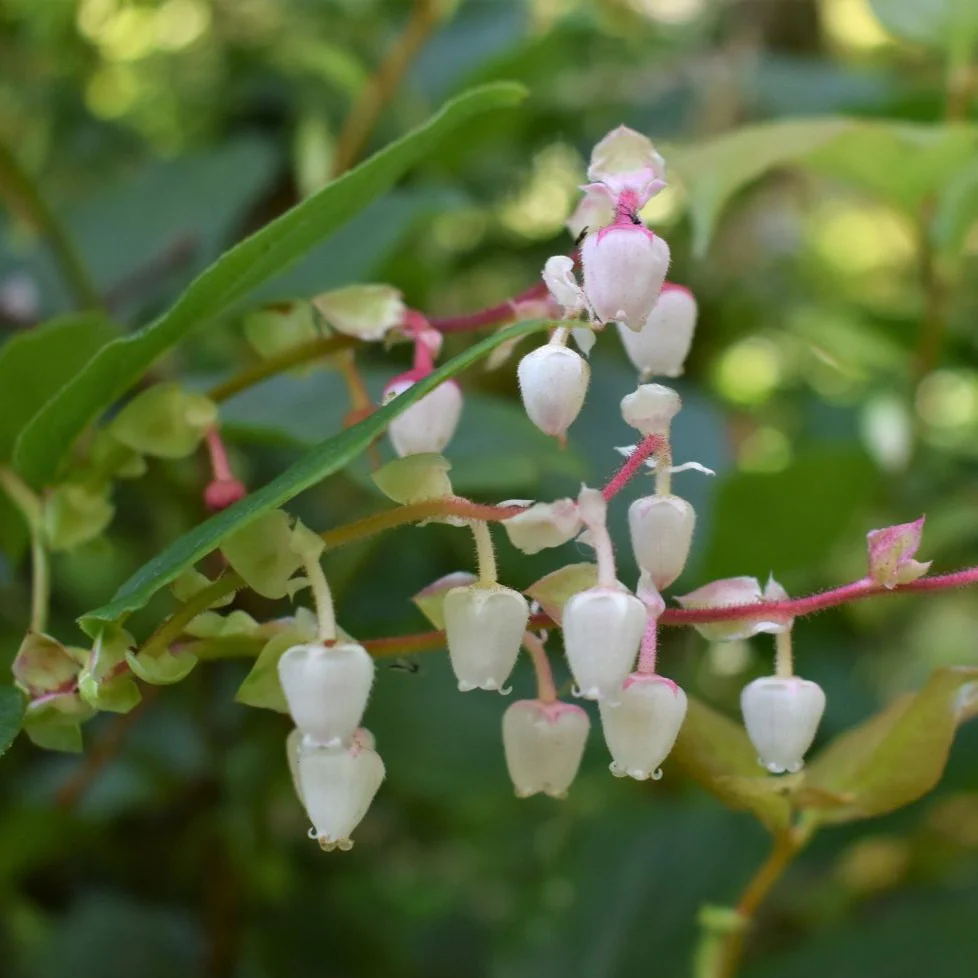
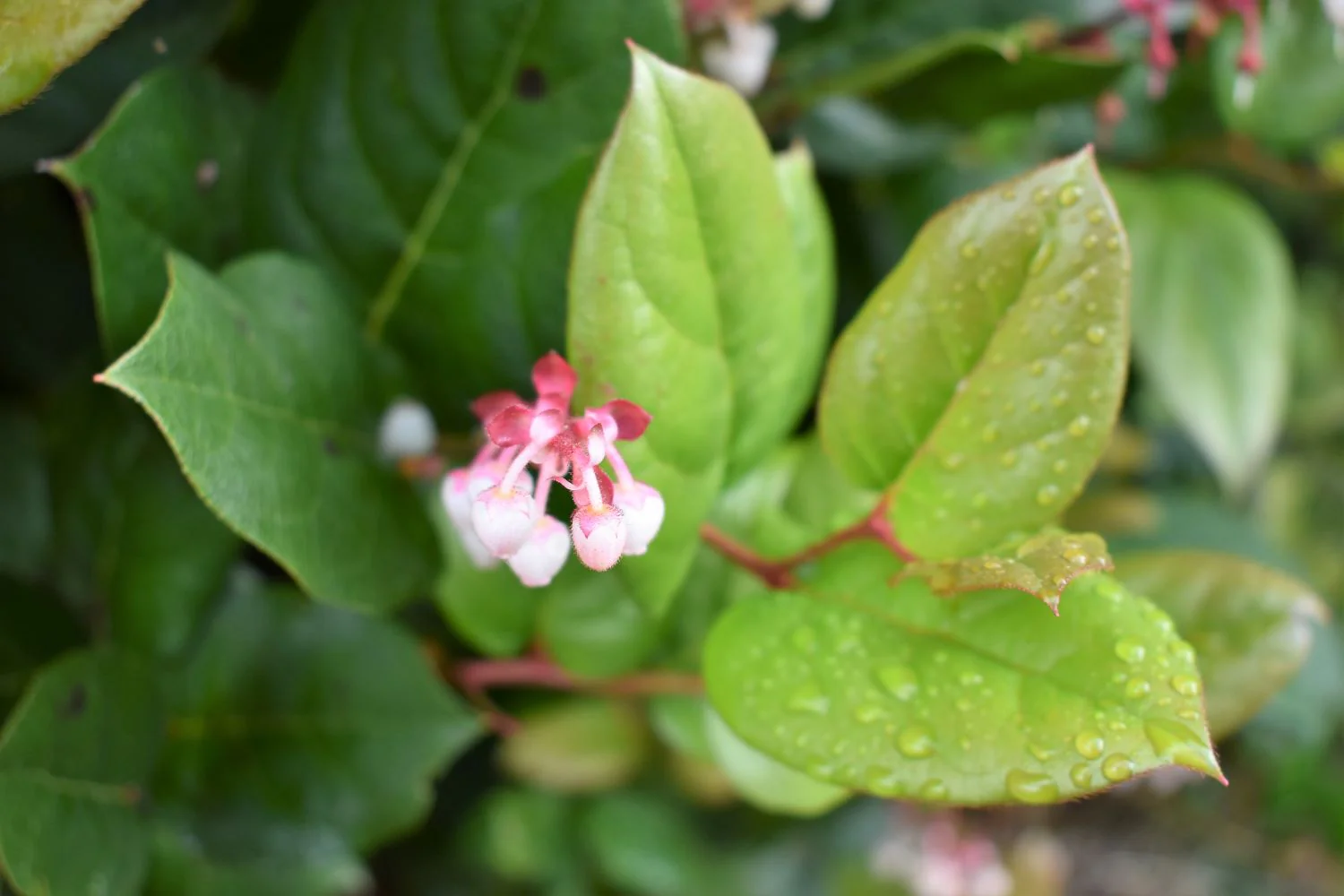
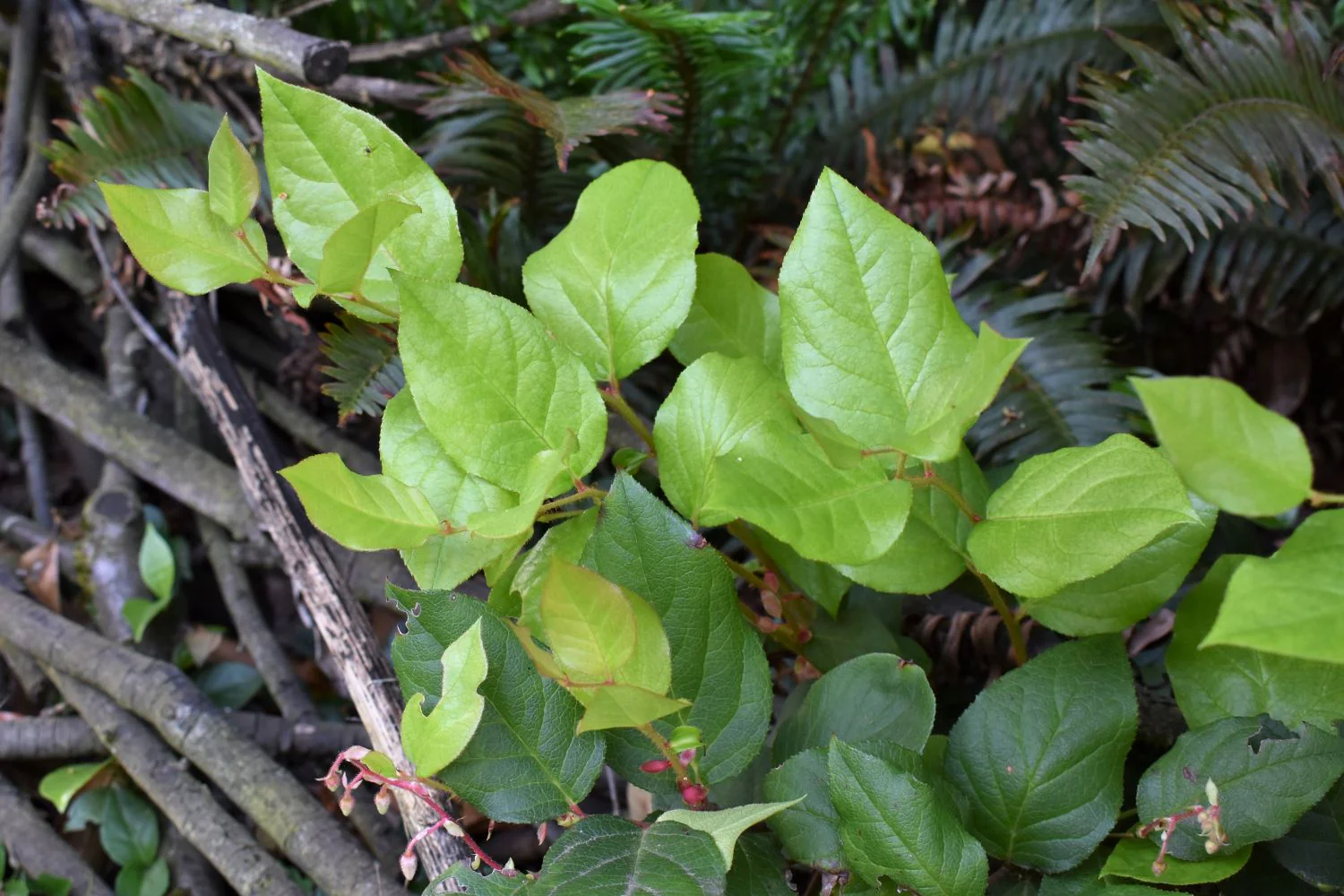
Salal’s attractive, evergreen leaves and dainty, white-to-pink, urn-shaped flowers are a ubiquitous sight on nearly any Pacific Northwest forest or coastal hike and a staple in luscious habitat gardens. The flowers provide nectar to hummingbirds and insect pollinators, while the purple-black berries are edible (though not overly delicious) to people, but exceptionally attractive to birds and other wildlife like the native, Douglas Squirrel.
- Plant type/canopy layer: evergreen, perennial, small shrub
- Size at maturity: 1-6' tall, 1-5' wide
- Light requirements: part sun to full shade
- Moisture requirements: dry to moist soil
- Bloom time: March - July (May - July in the Portland Metro area)
- Growth rate/ease: slow growing, moderately difficult to grow
- Wildlife support: flowers attract and provide nectar for hummingbirds, adult butterflies, bees and other insect pollinators; foliage is browsed by deer, elk, and is a preferred by Mountain Beavers (Aplodontia) - which are potentially the cutest animals EVER; fruits are eaten by many kinds of birds and mammals including the native Douglas Squirrel; overall plant attracts and supports beneficial and other pest-eating insects
- Native habitat/range: common along coastal and westside forests, cliffs, and bluffs from 1-1800m from southeast Alaska to central California. Portland Plant List - yes.
- Special features & uses: evergreen; supports hummingbirds; medicinal; ethnobotanically the leaves are harvested and sold worldwide for use in floral arrangements and can be used to line cooking pits; edible berries can be consumed fresh, mashed and dried into cakes, or made into jams, jellies or pies, especially in combination with other berries like the more tart Oregon Grape; landscape uses include erosion control, habitat hedgerows, pollinator gardens and woodland gardens
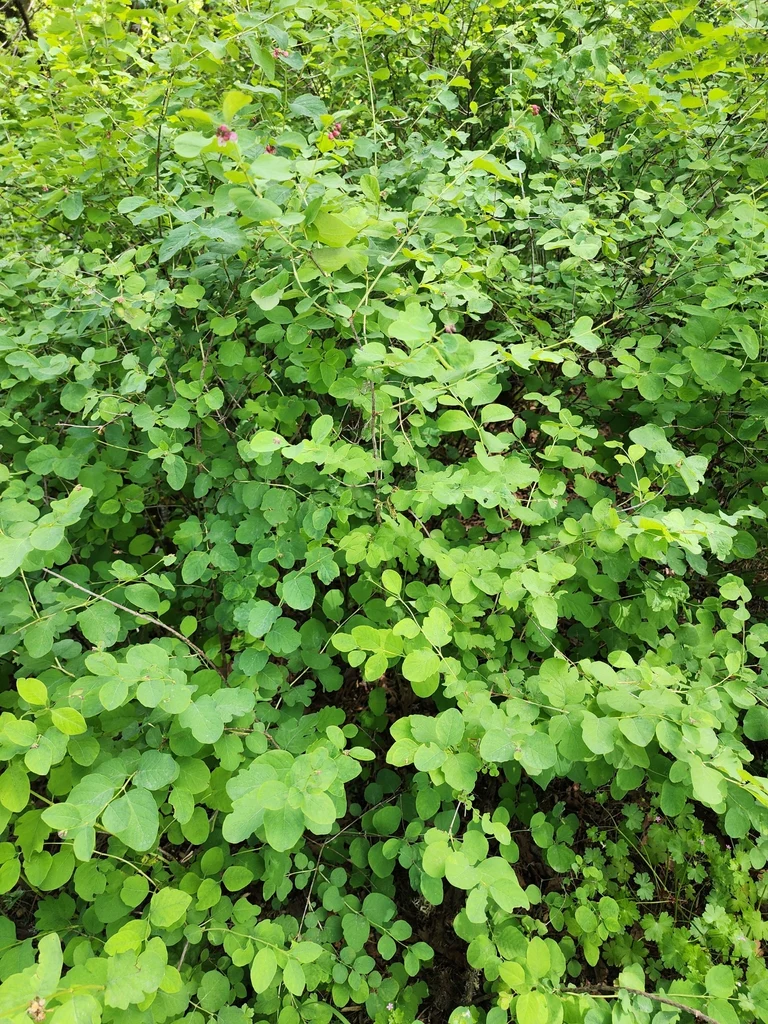
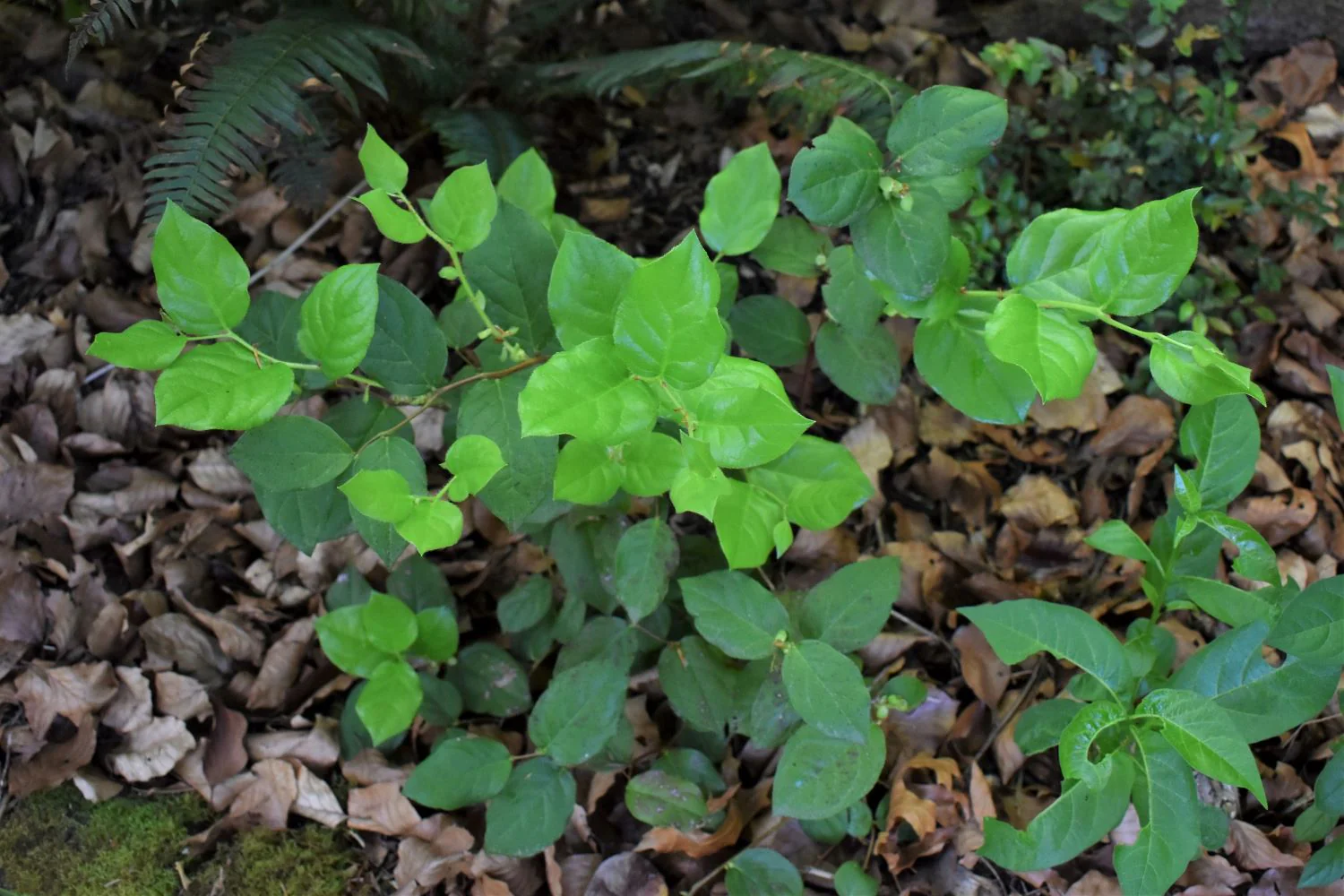
Gardening with Salal: Salal can be difficult to transplant and slow to establish, but once it's happy, it is a charming and versatile addition to pollinator and/or woodland gardens. It prefers full to partial shade and acidic soils that are moist to dry and rich in organic matter. Over time, when planted in the right conditions it can be thicket forming, providing exceptional hedgerow and erosion control services.
Photo Credits: Nikkie West
Details & Craftsmanship
Every detail has been carefully considered to bring you the perfect product.
Details & Craftsmanship
Every detail has been carefully considered to bring you the perfect product.
Details & Craftsmanship
Every detail has been carefully considered to bring you the perfect product.
Description
Gaultheria shallon
Salal’s attractive, evergreen leaves and dainty, white-to-pink, urn-shaped flowers are a ubiquitous sight on nearly any Pacific Northwest forest or coastal hike and a staple in luscious habitat gardens. The flowers provide nectar to hummingbirds and insect pollinators, while the purple-black berries are edible (though not overly delicious) to people, but exceptionally attractive to birds and other wildlife like the native, Douglas Squirrel.
- Plant type/canopy layer: evergreen, perennial, small shrub
- Size at maturity: 1-6' tall, 1-5' wide
- Light requirements: part sun to full shade
- Moisture requirements: dry to moist soil
- Bloom time: March - July (May - July in the Portland Metro area)
- Growth rate/ease: slow growing, moderately difficult to grow
- Wildlife support: flowers attract and provide nectar for hummingbirds, adult butterflies, bees and other insect pollinators; foliage is browsed by deer, elk, and is a preferred by Mountain Beavers (Aplodontia) - which are potentially the cutest animals EVER; fruits are eaten by many kinds of birds and mammals including the native Douglas Squirrel; overall plant attracts and supports beneficial and other pest-eating insects
- Native habitat/range: common along coastal and westside forests, cliffs, and bluffs from 1-1800m from southeast Alaska to central California. Portland Plant List - yes.
- Special features & uses: evergreen; supports hummingbirds; medicinal; ethnobotanically the leaves are harvested and sold worldwide for use in floral arrangements and can be used to line cooking pits; edible berries can be consumed fresh, mashed and dried into cakes, or made into jams, jellies or pies, especially in combination with other berries like the more tart Oregon Grape; landscape uses include erosion control, habitat hedgerows, pollinator gardens and woodland gardens
Gardening with Salal: Salal can be difficult to transplant and slow to establish, but once it's happy, it is a charming and versatile addition to pollinator and/or woodland gardens. It prefers full to partial shade and acidic soils that are moist to dry and rich in organic matter. Over time, when planted in the right conditions it can be thicket forming, providing exceptional hedgerow and erosion control services.
Photo Credits: Nikkie West