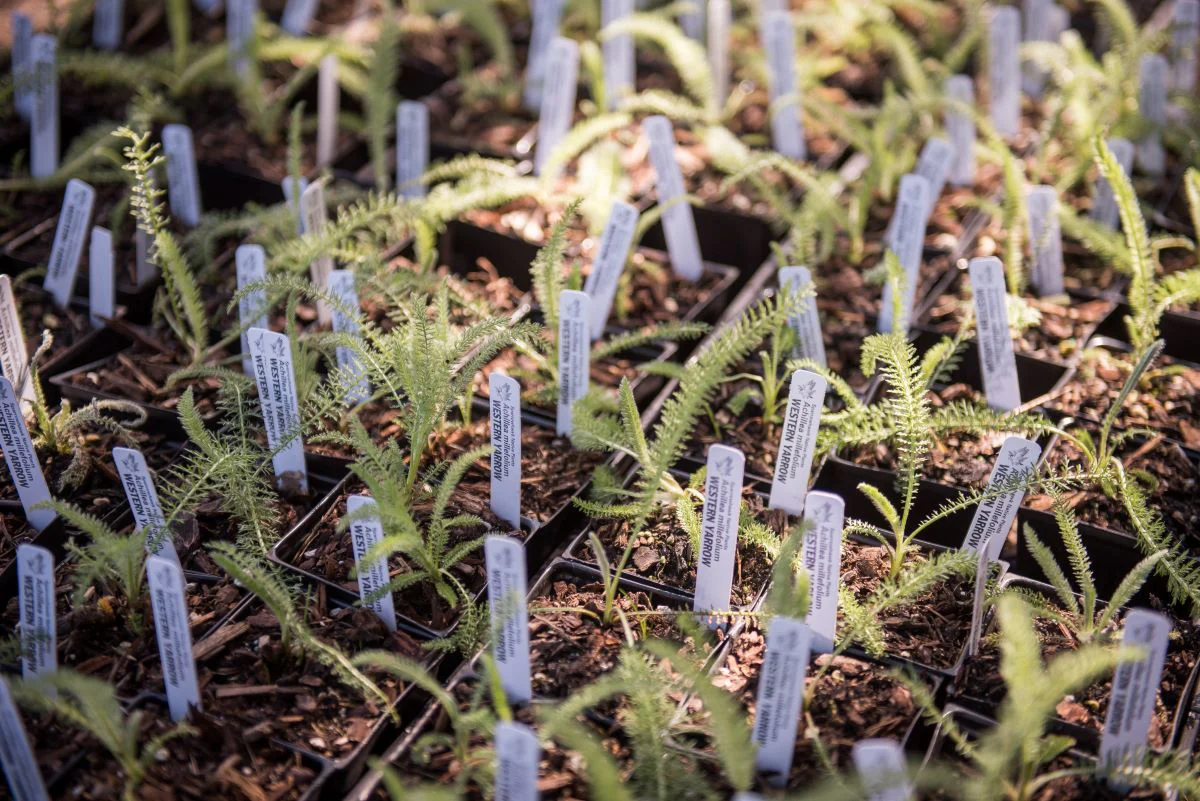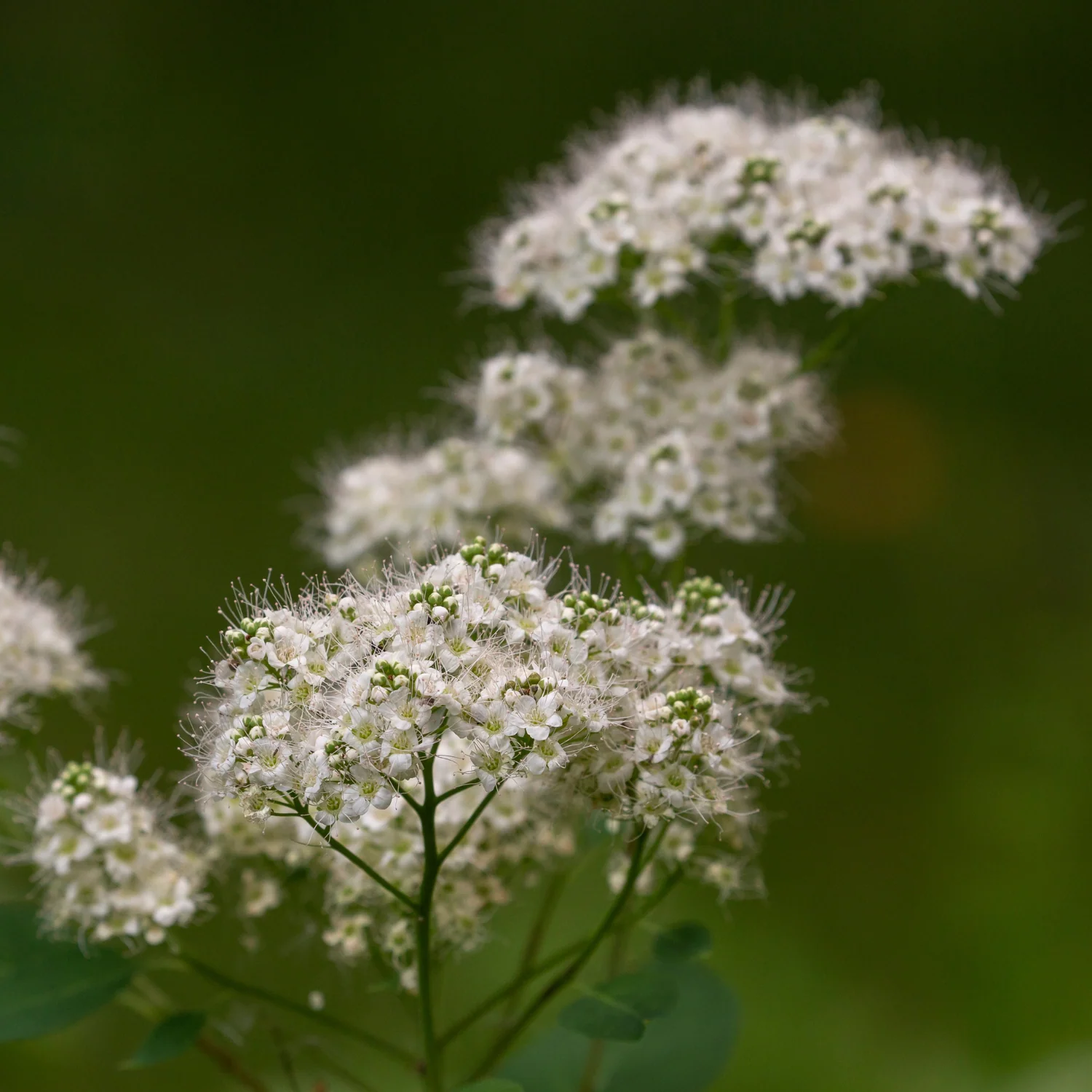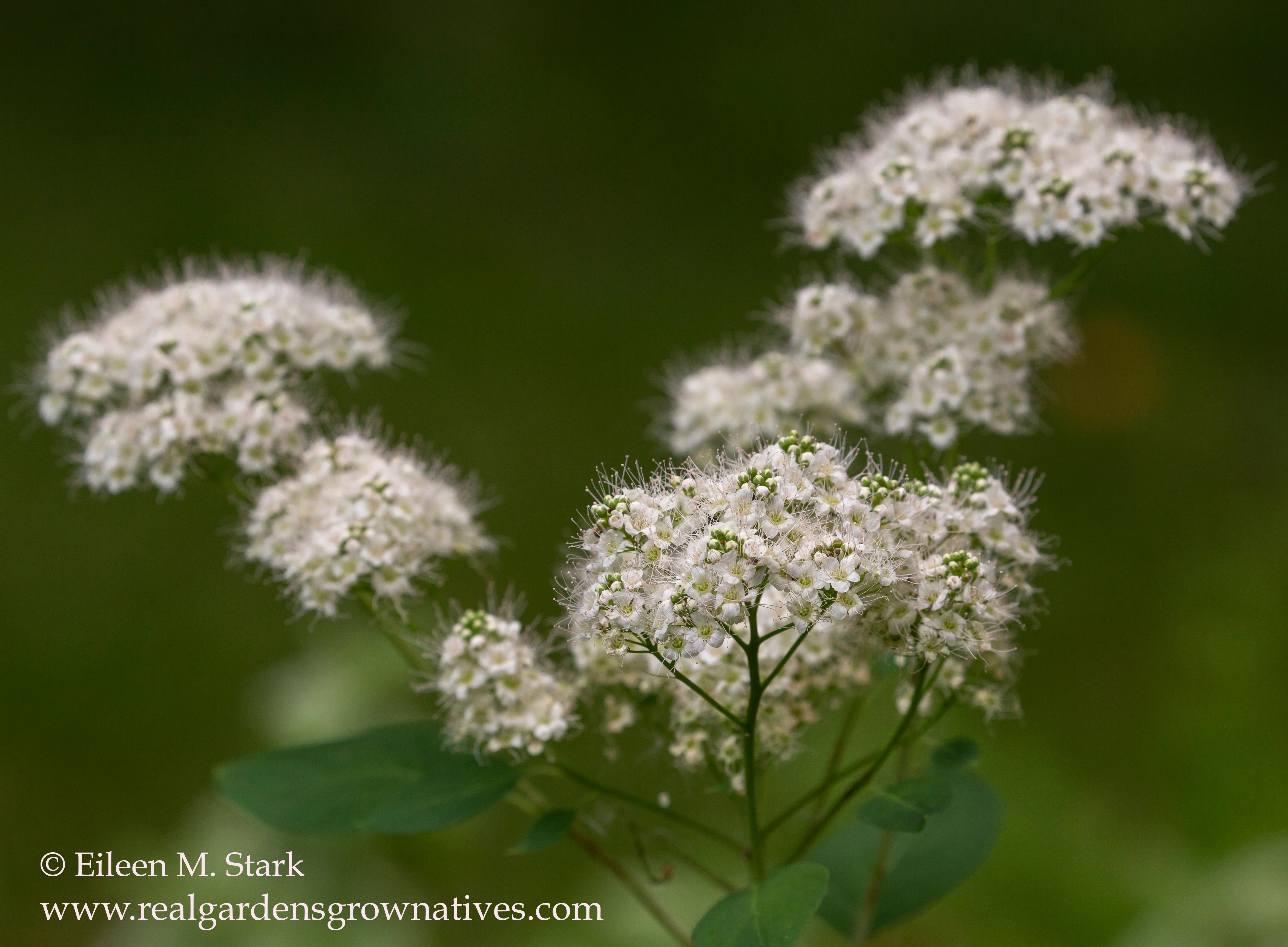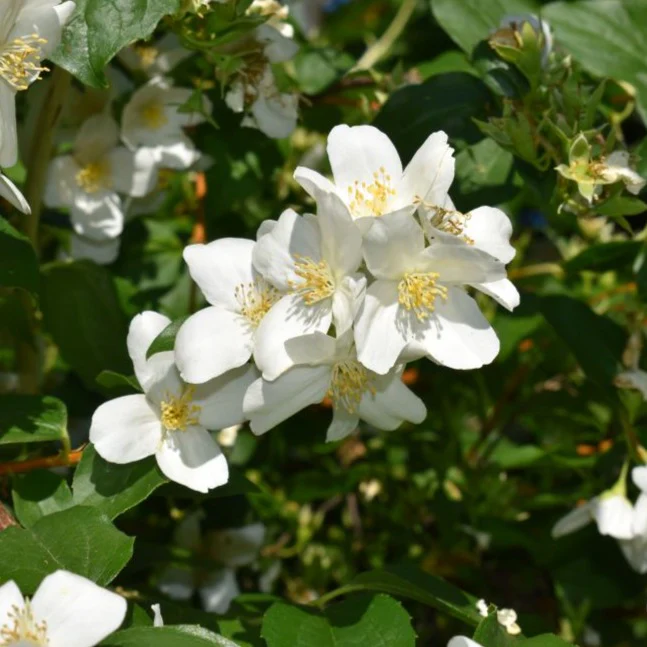
The Story
Dicentra formosa
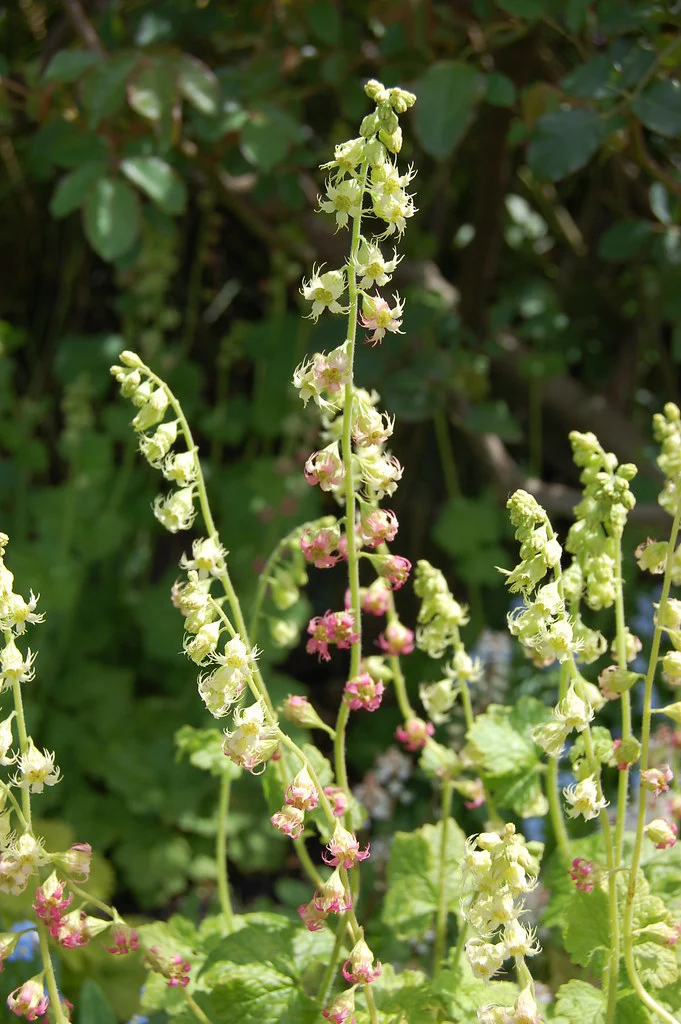
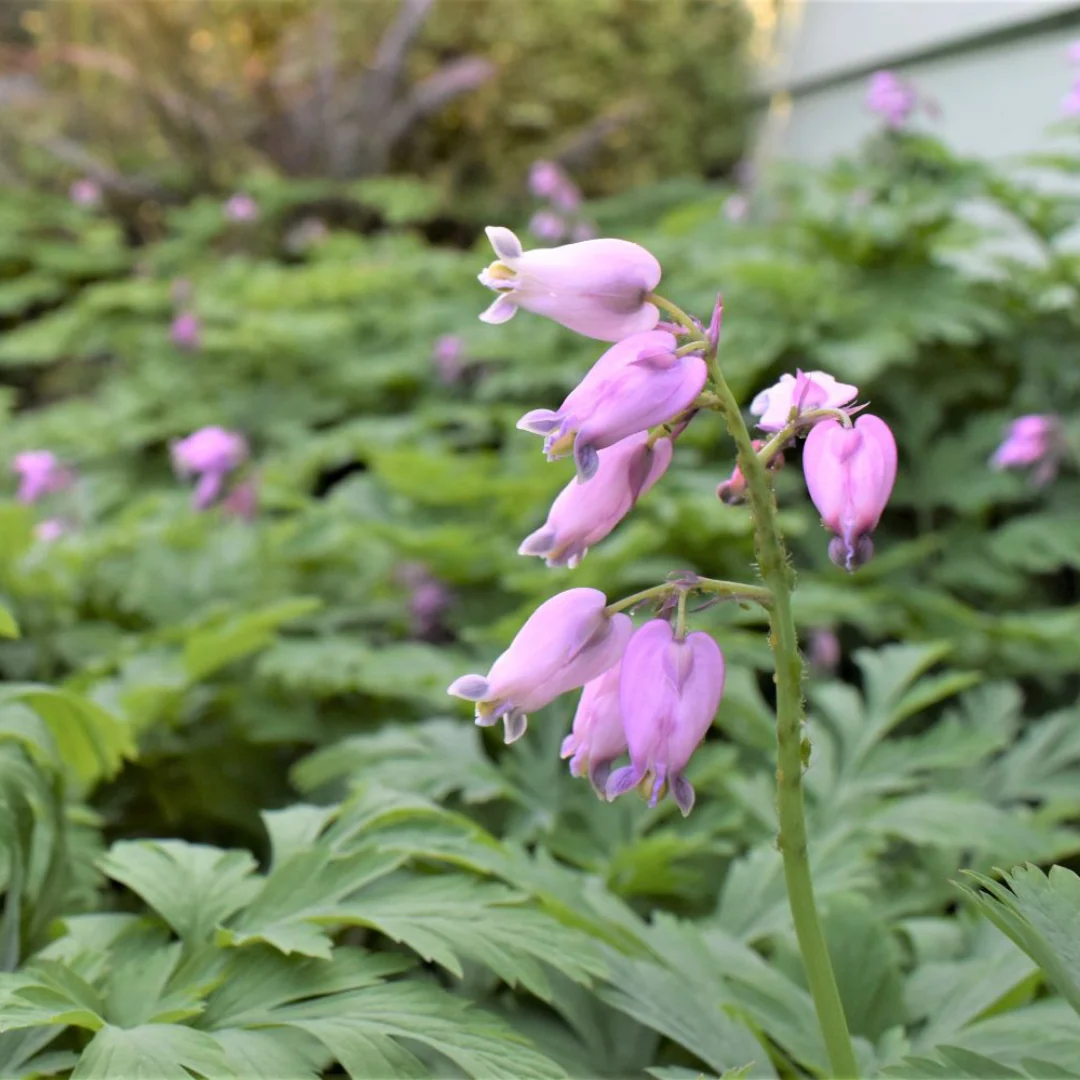
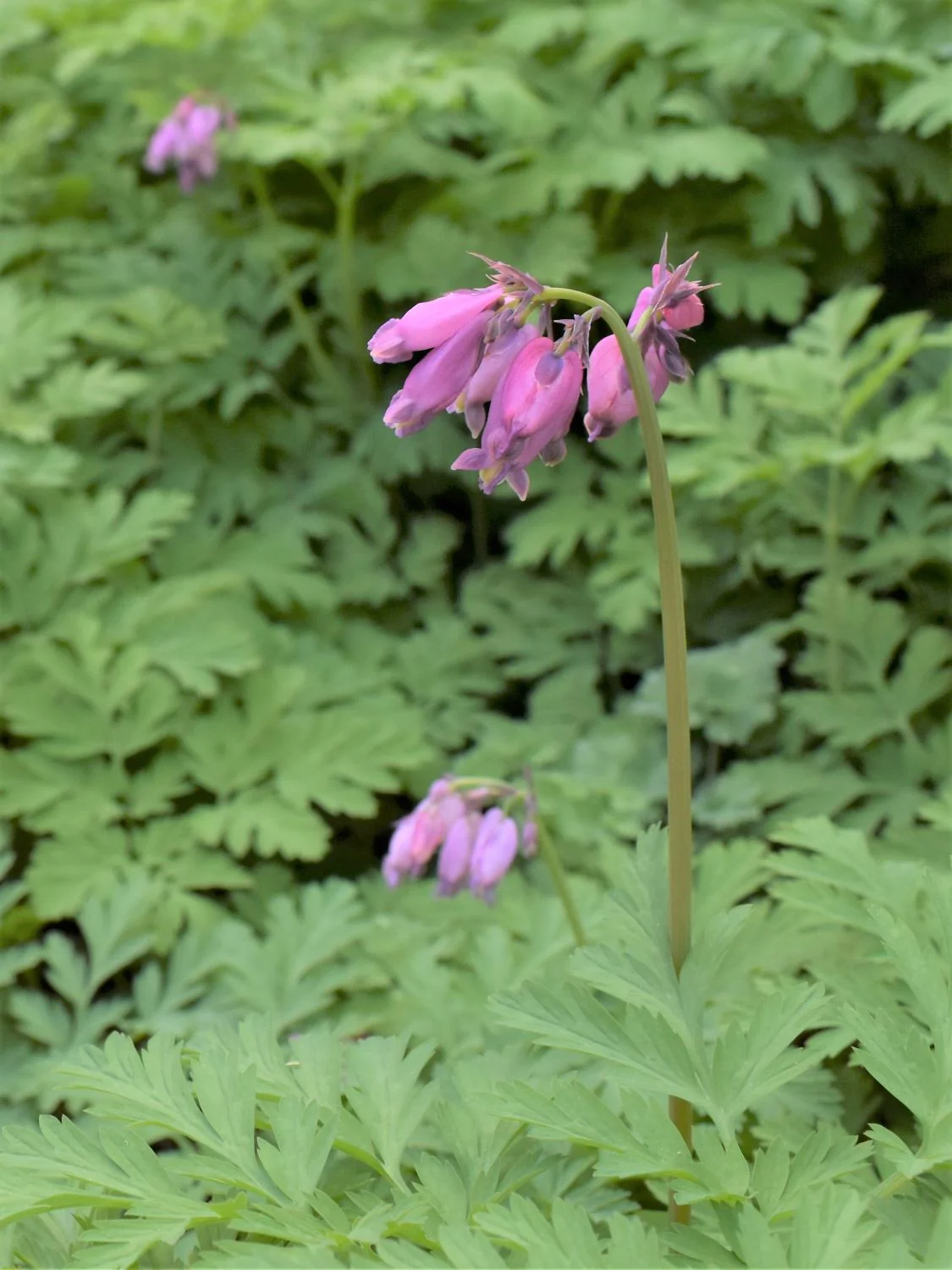
Pacific bleeding heart is easily one of the most beloved plants in a shady woodland Northwest Garden. In early spring, a carpet of delicate bright to blueish-green foliage emerges from the earth, soon followed by a plethora of enchanting heart-shaped purplish-pink blooms bobbing above the leaves on upright stems, beckoning hummingbirds and other pollinators.
- Plant type/canopy layer: deciduous, perennial, herbaceous plant
- Size at maturity: 12-18" tall, 18-24" wide
- Light requirements: full shade to part sun
- Moisture requirements: moist to wet soil
- Bloom Time: March - August (April - June in the Portland Metro area)
- Growth rate/ease: fast growth rate, easy to grow
- Wildlife support: nectar-rich flowers attract and support hummingbirds, adult butterflies, syrphid flies, bumblebees and other native bees; foliage provides food source for larval butterflies as well as cover for small creatures like amphibians and various arthropods.
- Native habitat/range: common in damp forests and woodlands, in ravines, and near streams from low to middle elevations from western British Columbia south through western Washington, Oregon and into the western portions of central California. Portland Plant List - yes.
- Special features & uses: ground cover; hummingbird favorite; medicinal
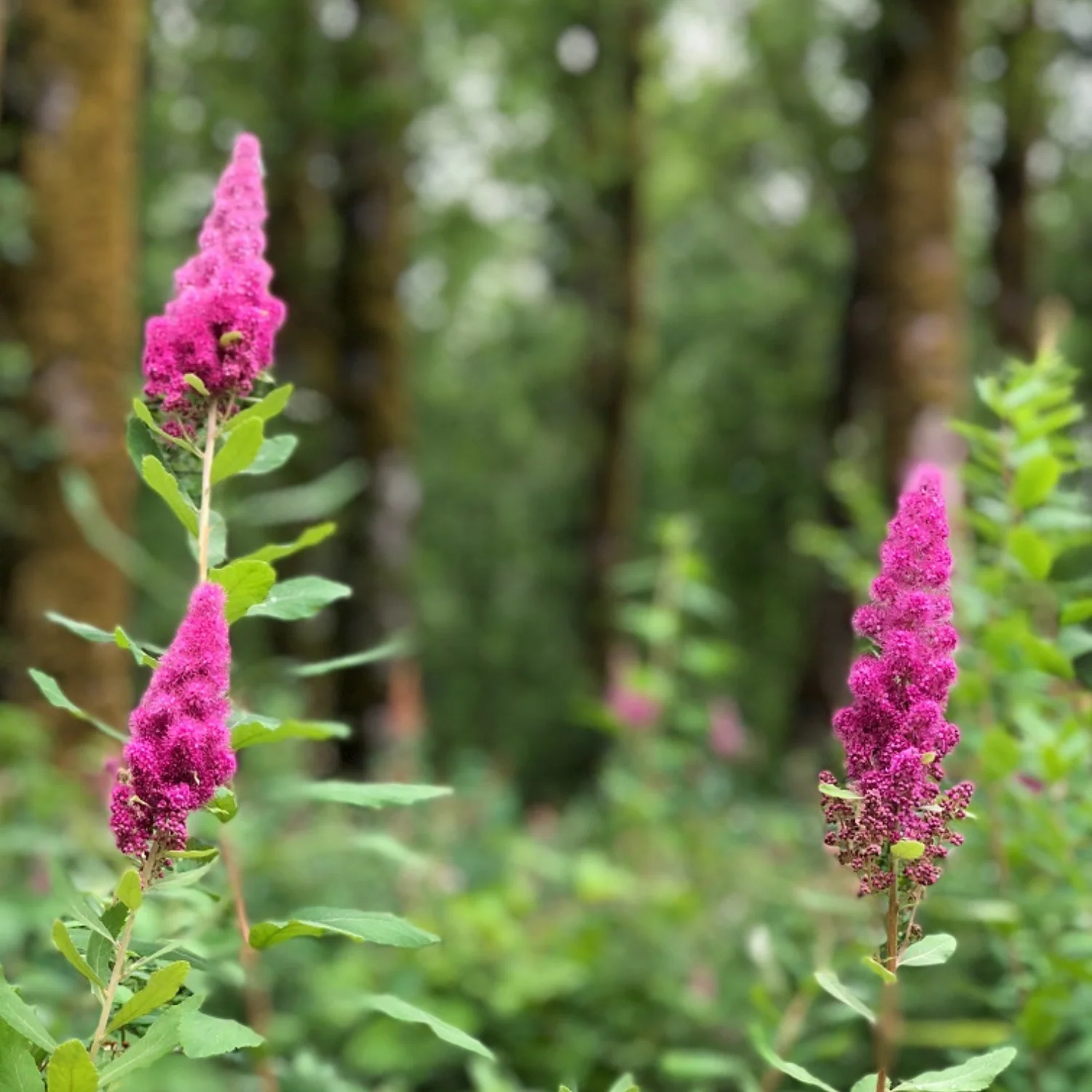
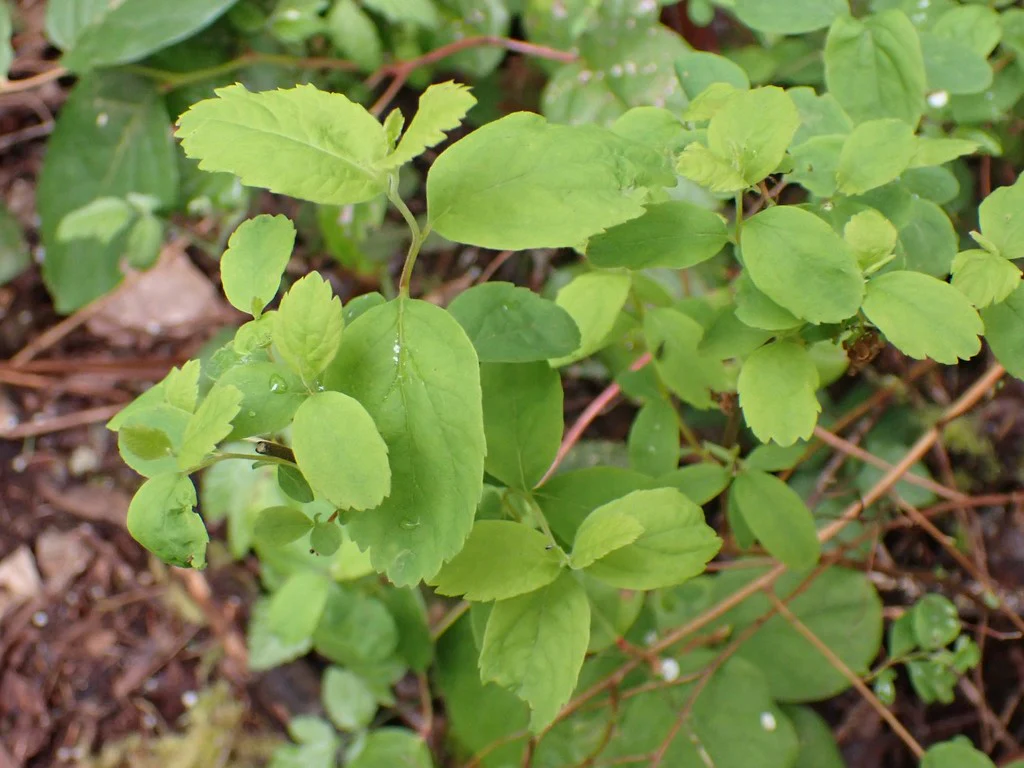
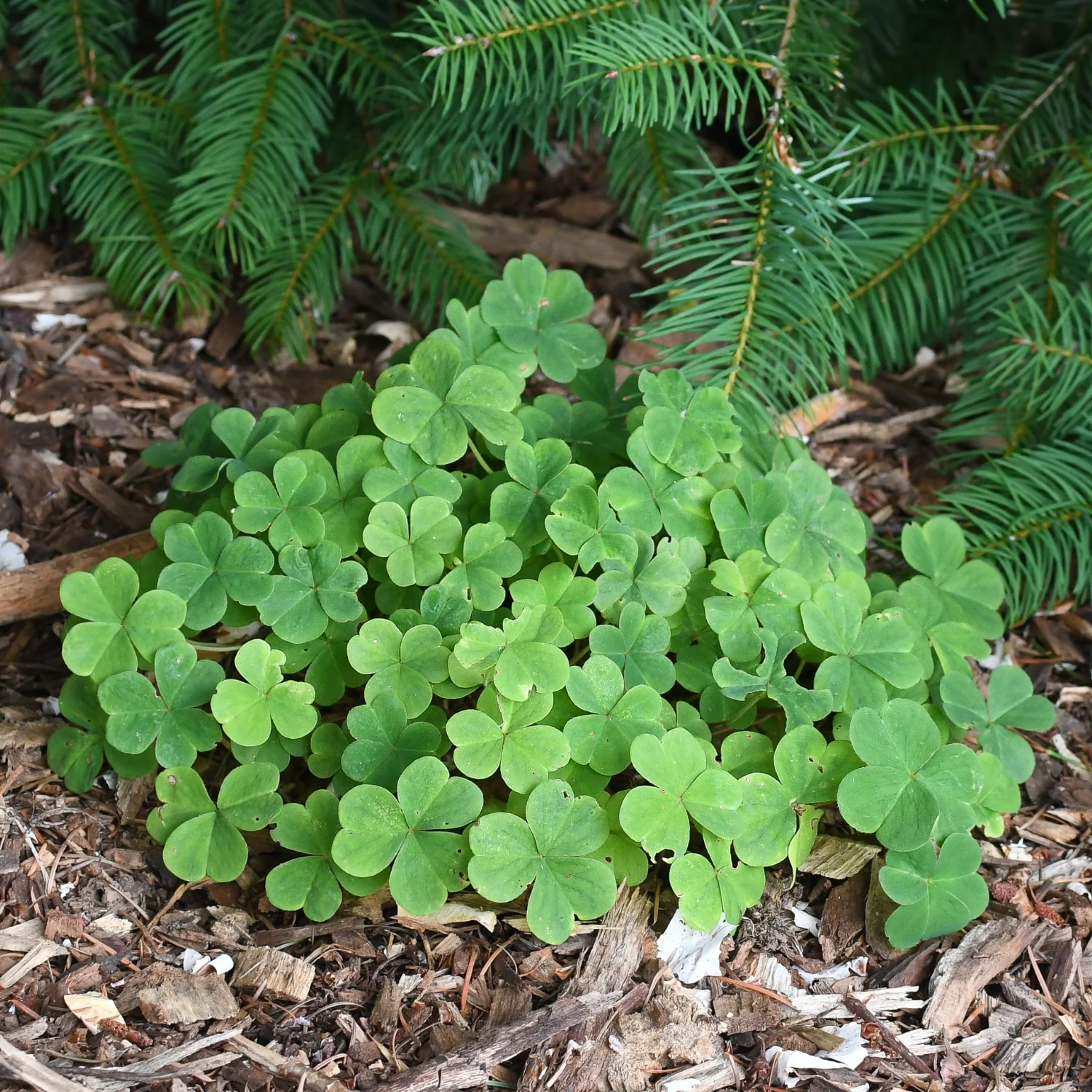
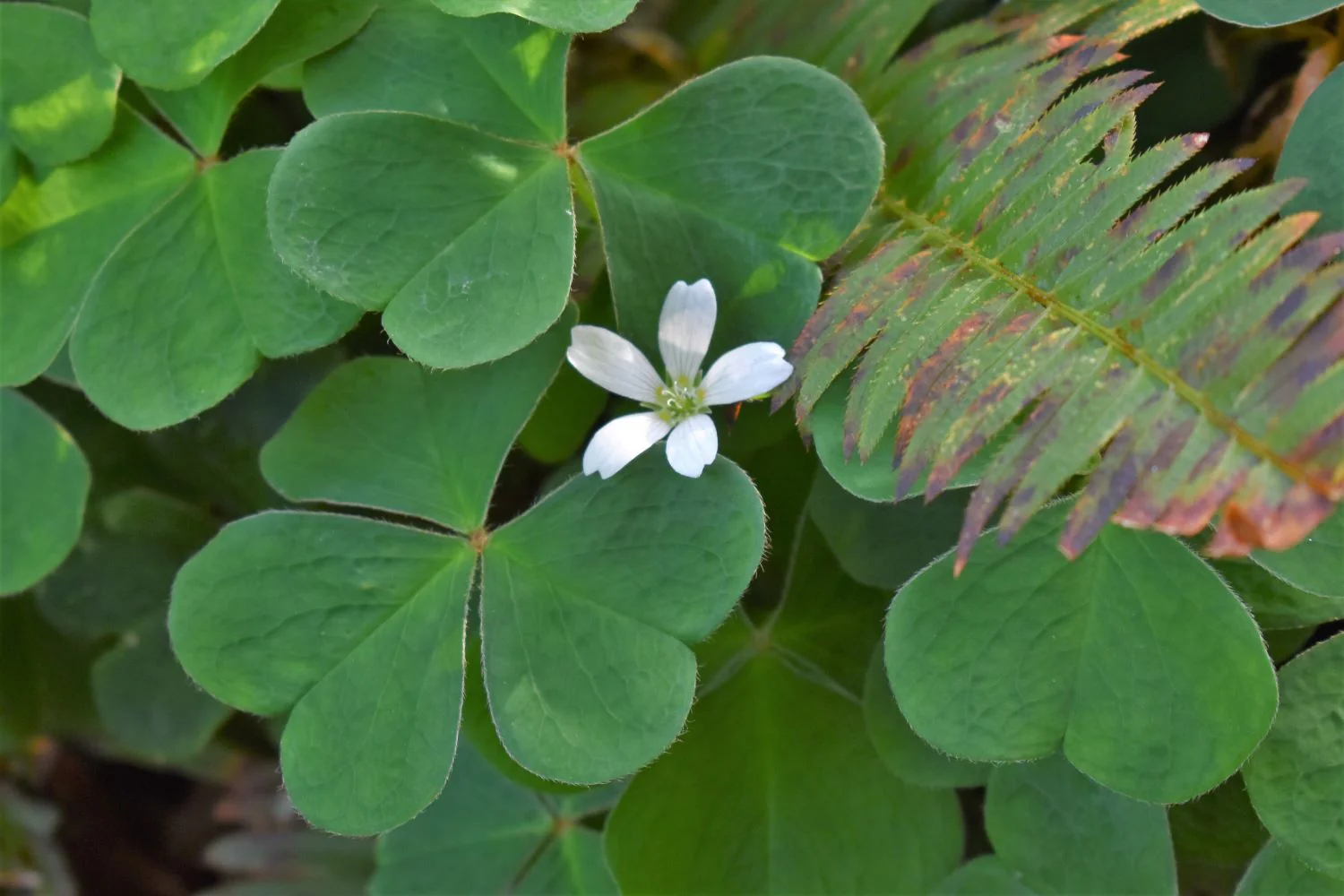
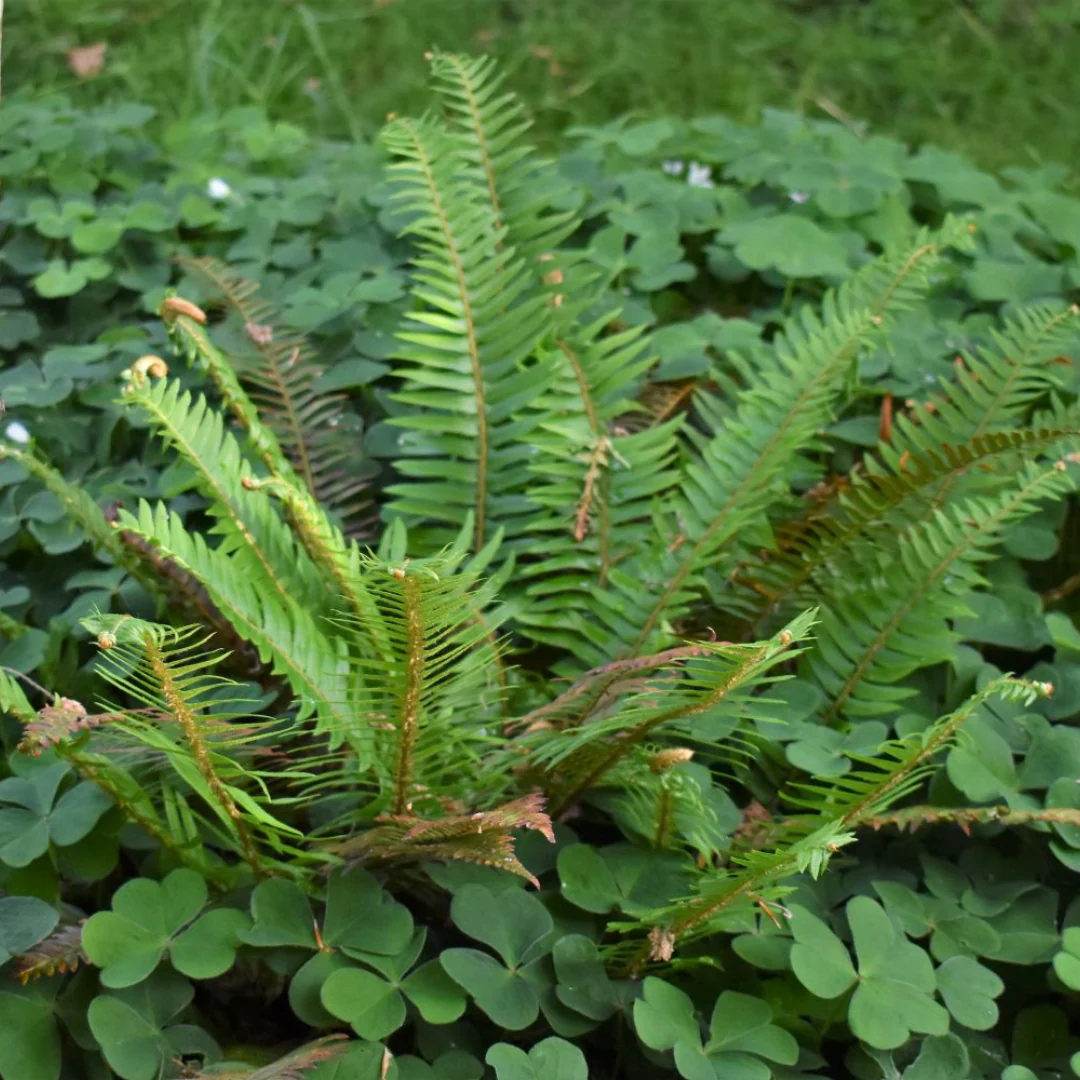
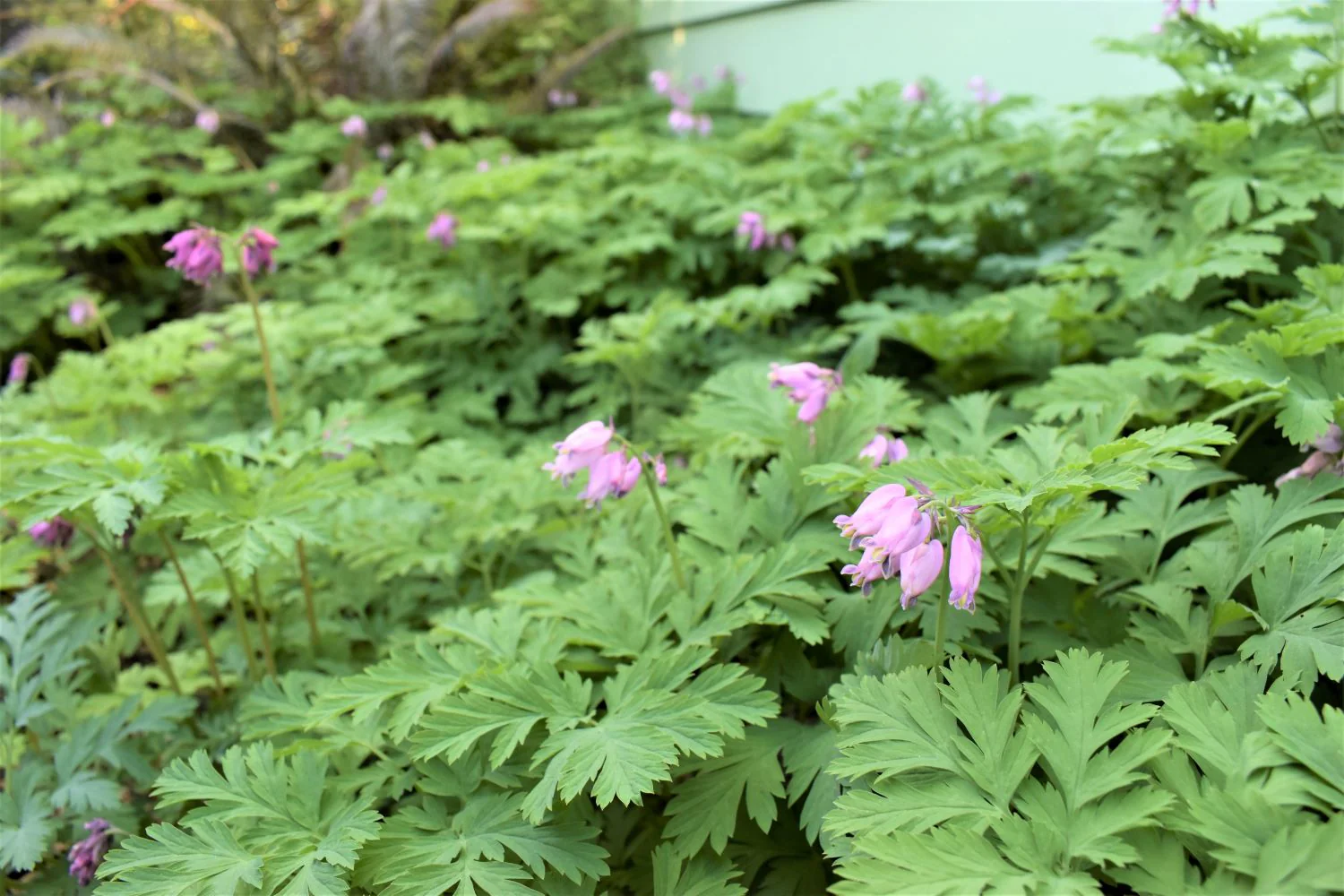
Gardening with Pacific Bleeding Heart: Try establishing a ground cover of pacific bleeding heart beneath native conifers or other trees like alder or vine maple, in areas that are moist and rich in organic matter and topped with a blanket of fine mulch, fallen leaves left in place or raked from one area of your garden to another. No need to reinvent the wheel on mulch. 4.6 billion years of evolution already created the perfect product and applies it for us annually, at just the right time. Go figure. If put in the right place, Pacific bleeding heart will spread vigorously through rhizomes - and, occasionally, even produce a second bloom later in the season. Try accompanying it with understory species like evergreen huckleberry, salal, osoberry, and native ferns - and other ground covers like stream violet, false Solomon’s seal, and Hooker’s fairy bells.
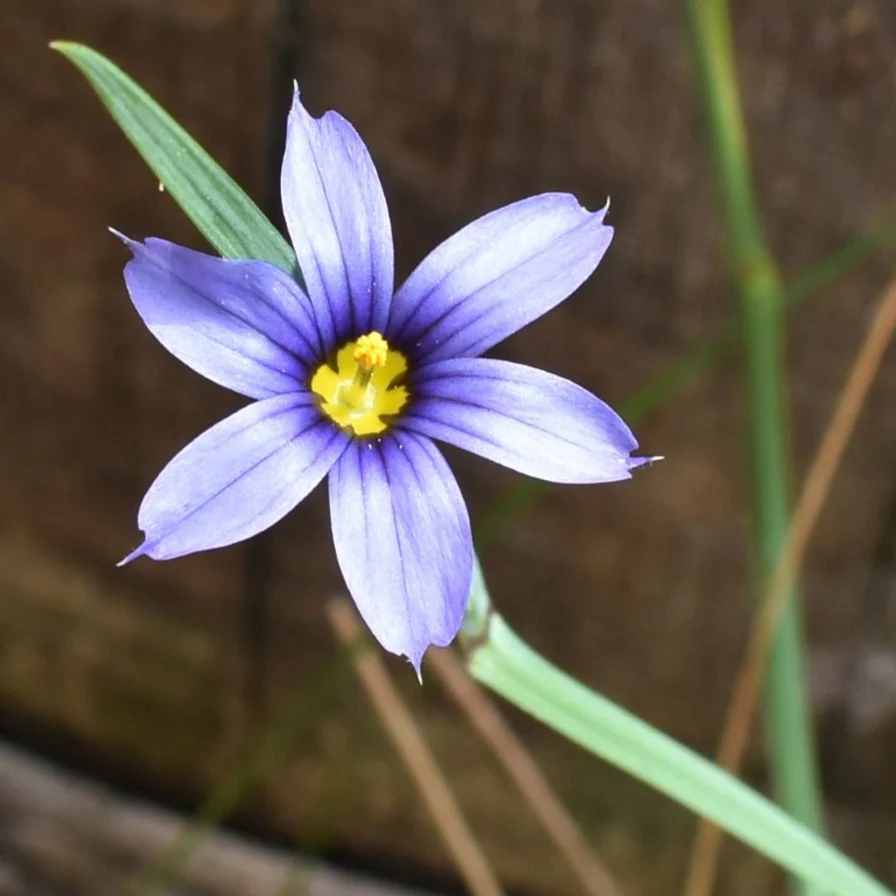
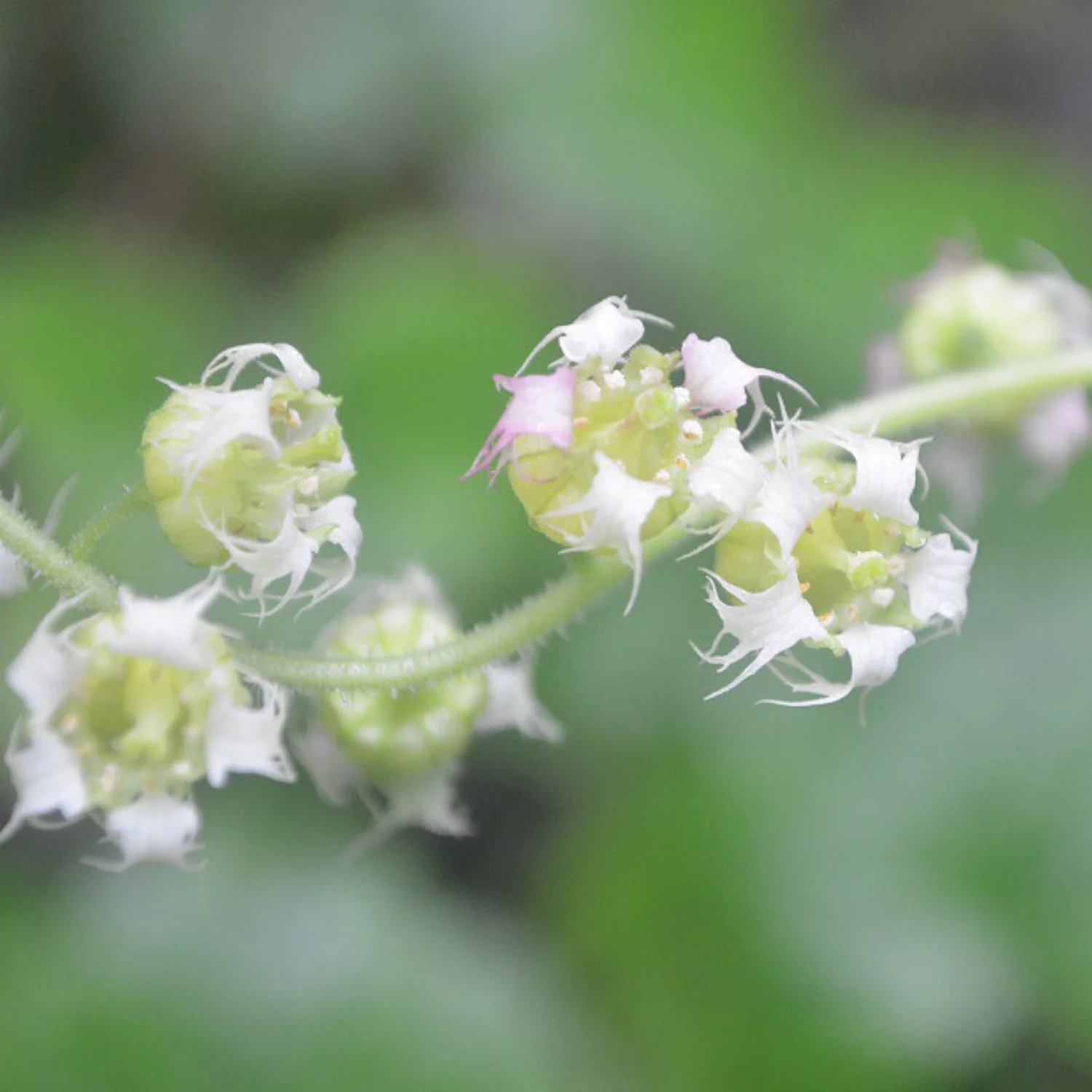
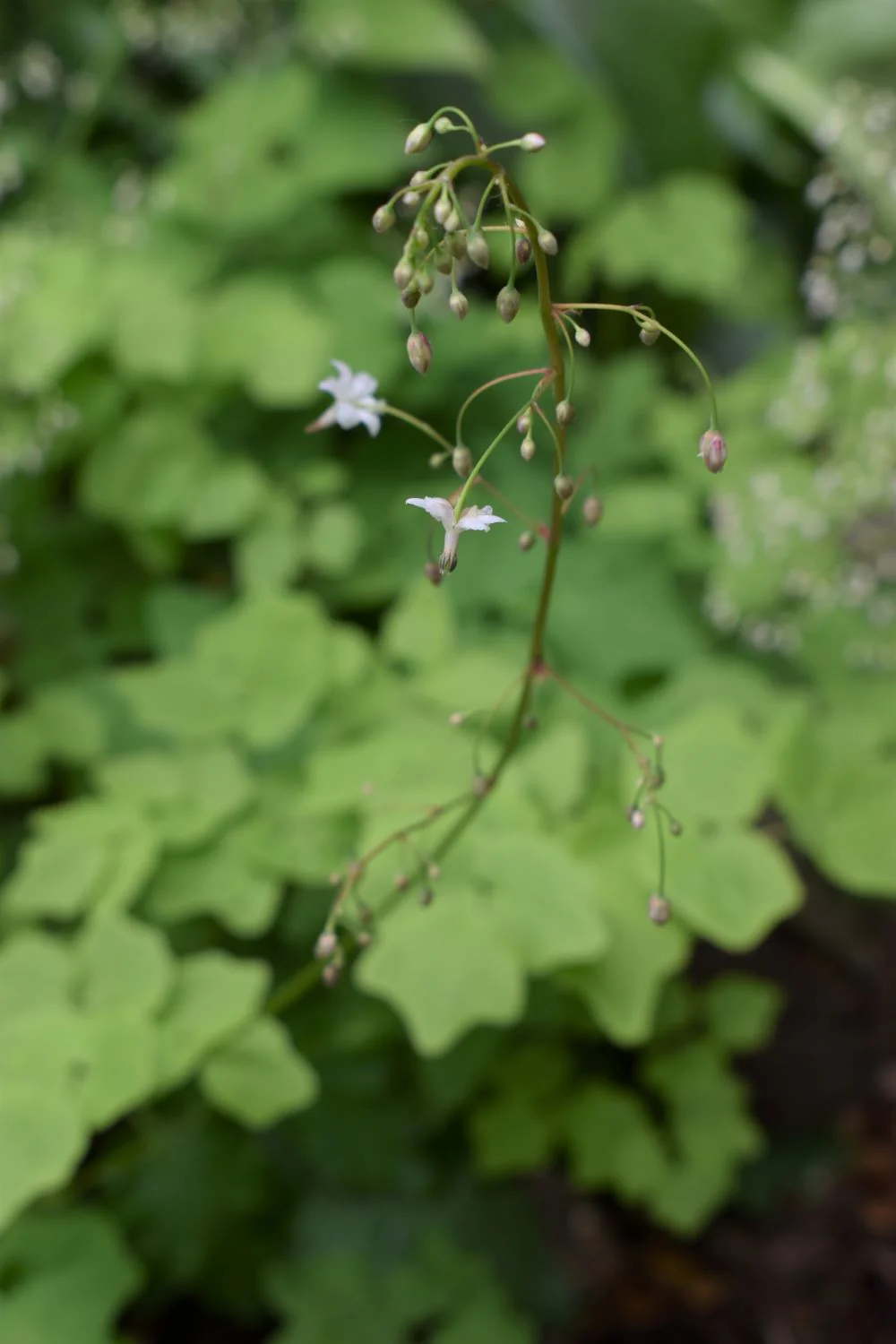
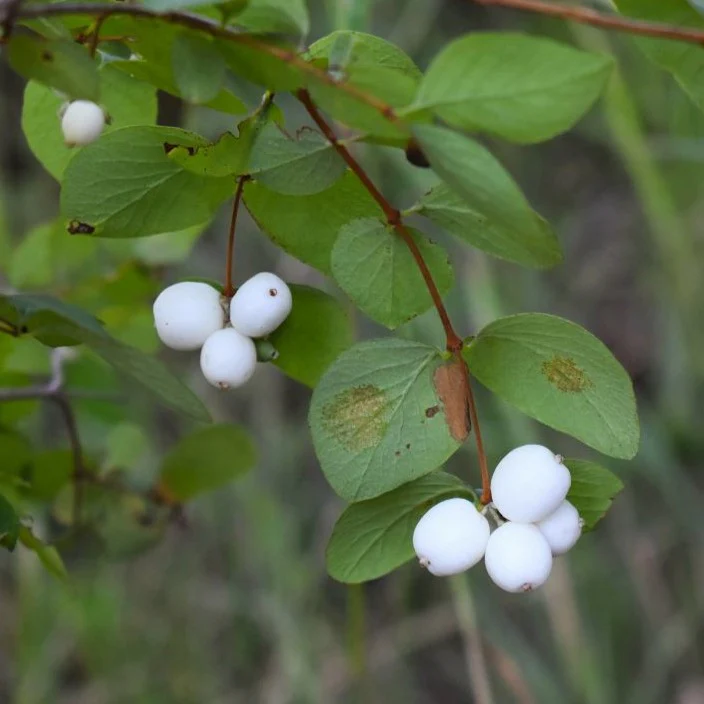
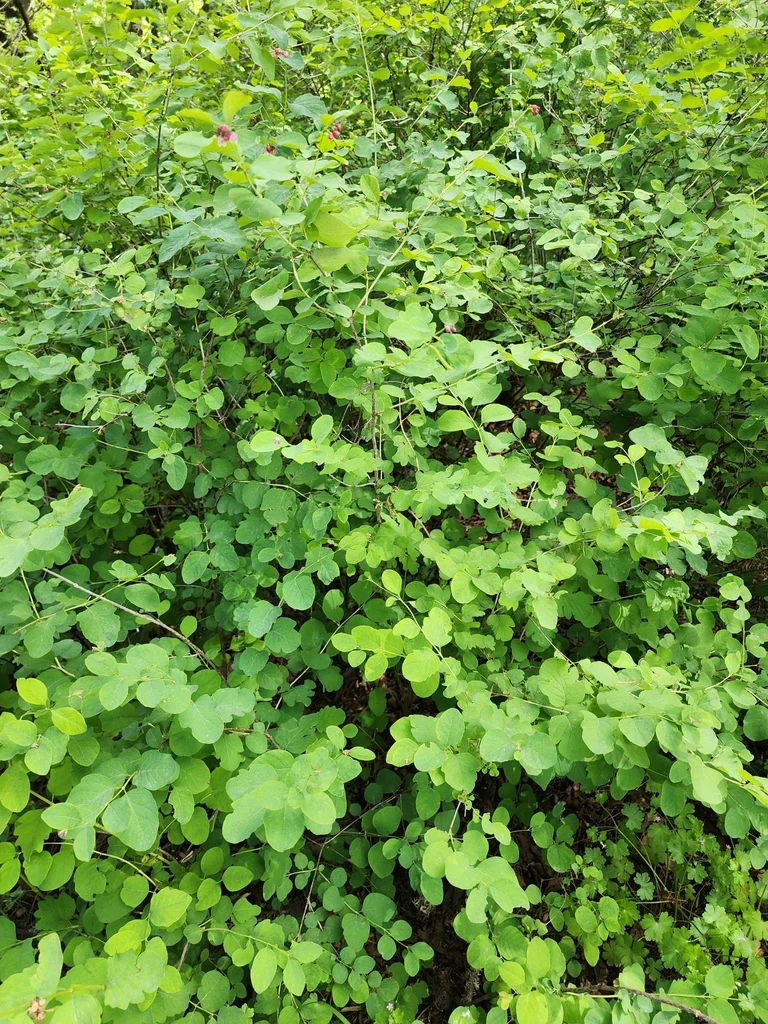
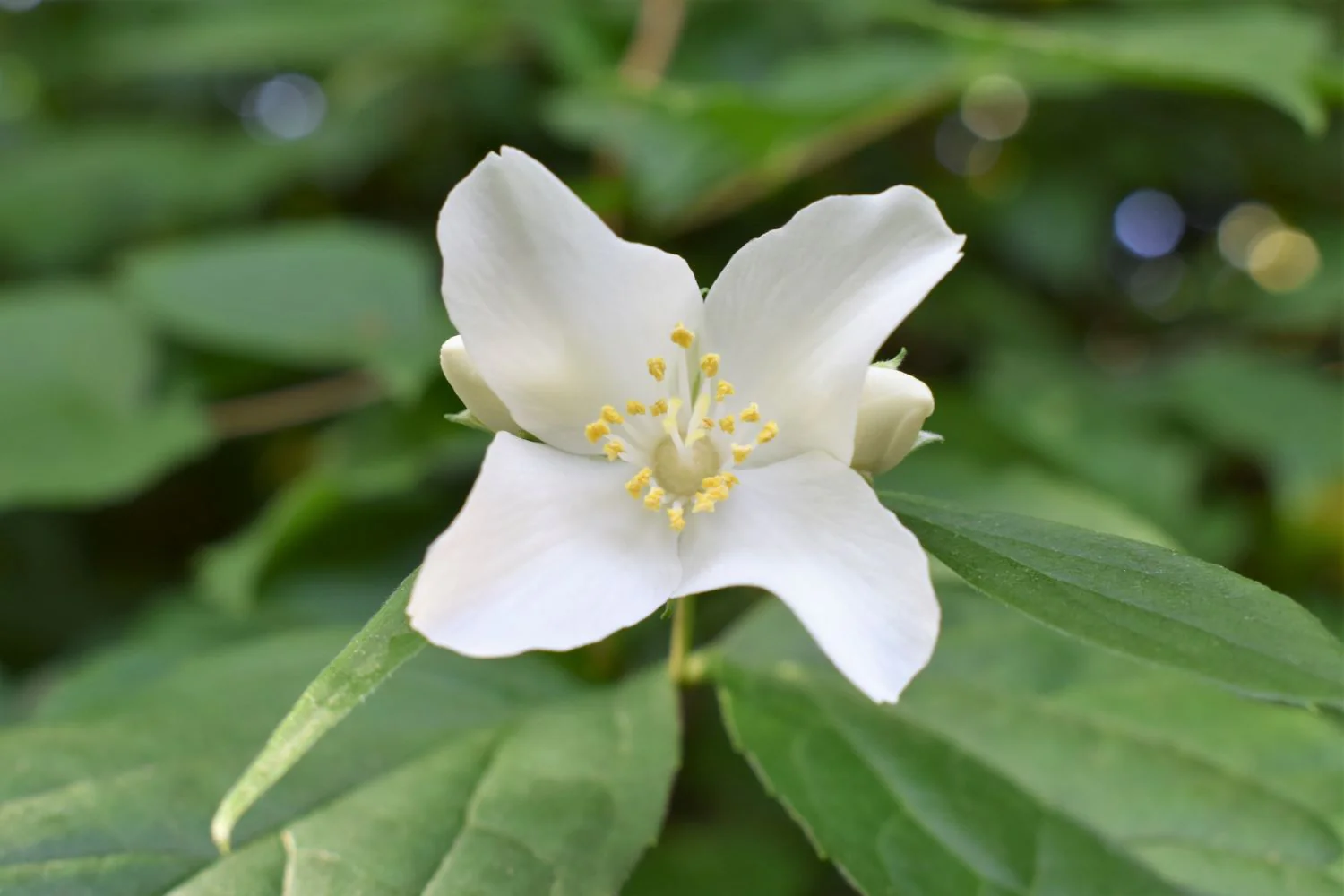
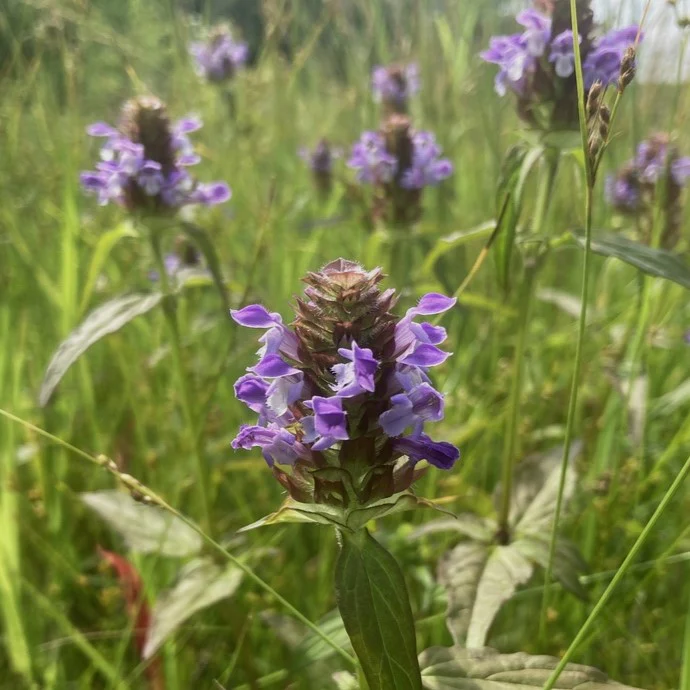
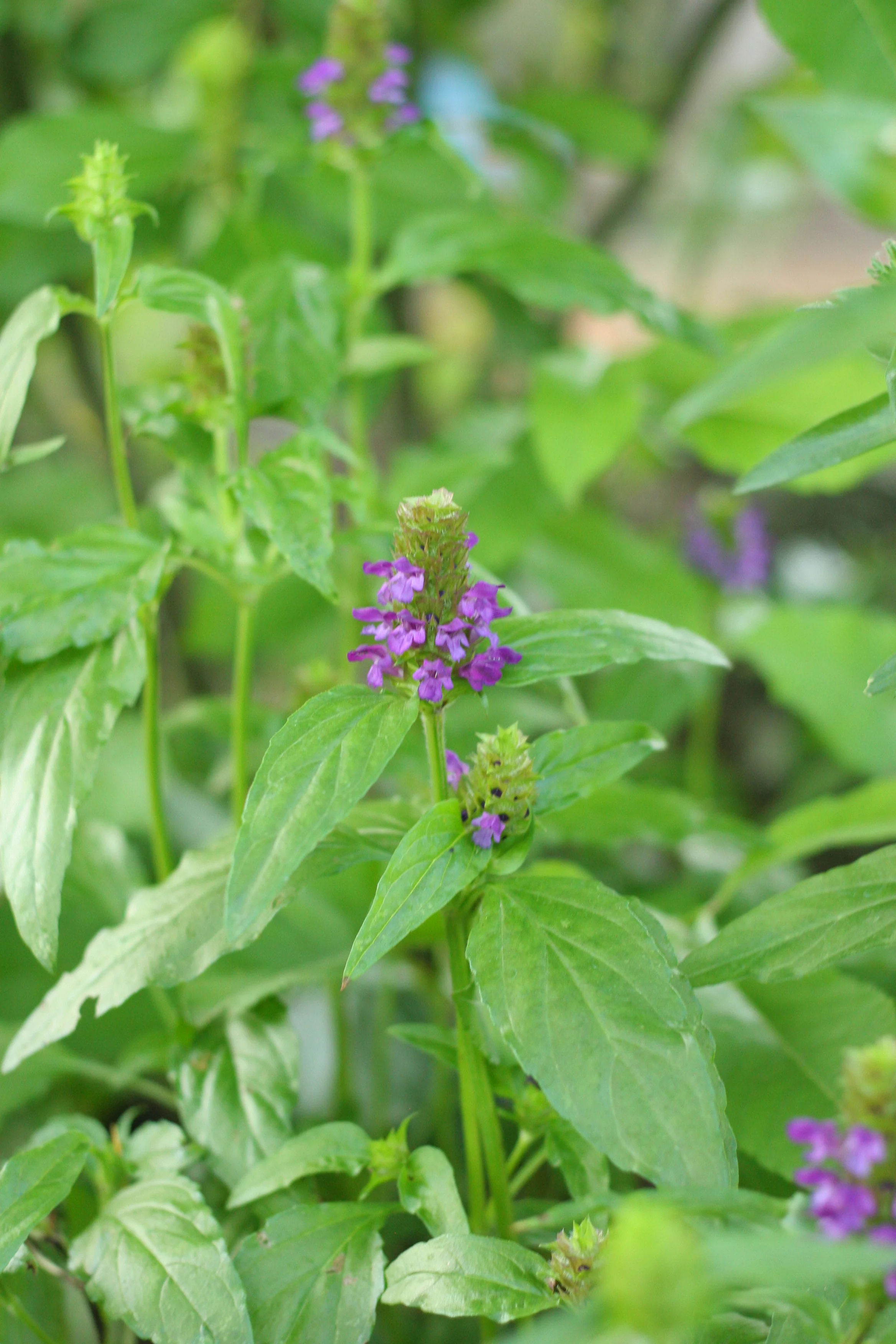
Photo Credits 1-3: Nikkie West, Sparrowhawk Native Plants
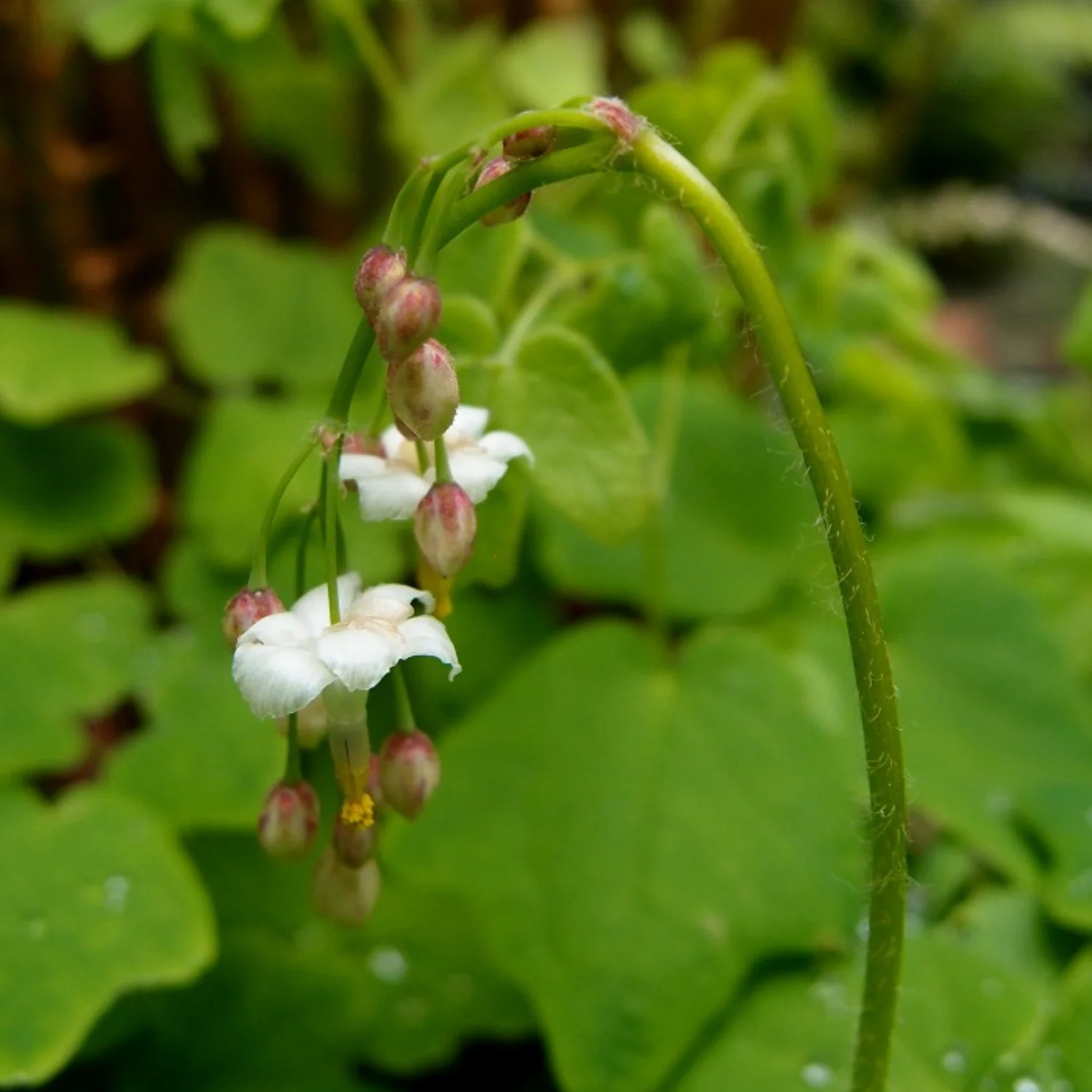
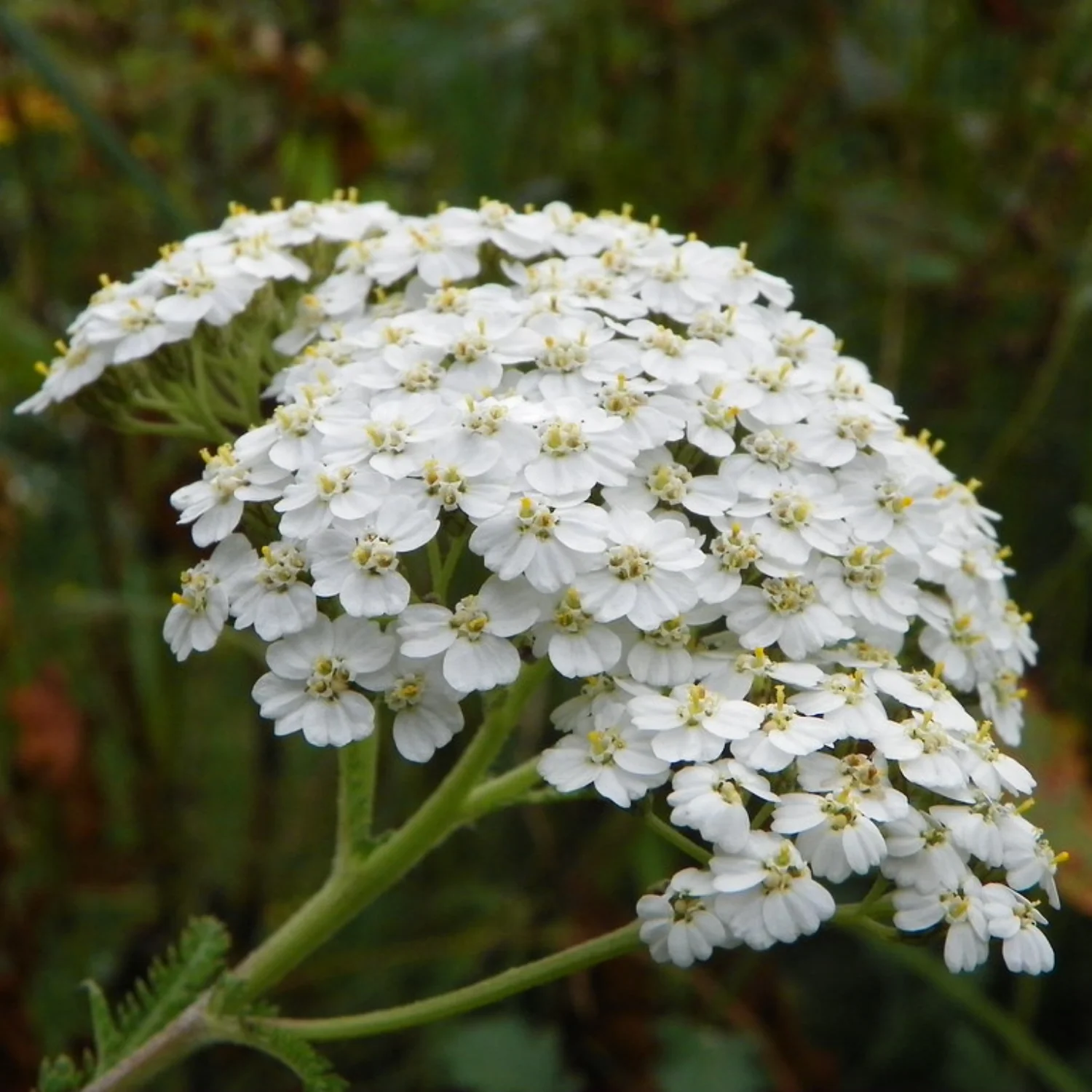
Photo Credit 4: Hoddick Photography
Details & Craftsmanship
Every detail has been carefully considered to bring you the perfect product.
Details & Craftsmanship
Every detail has been carefully considered to bring you the perfect product.
Details & Craftsmanship
Every detail has been carefully considered to bring you the perfect product.
Description
Dicentra formosa
Pacific bleeding heart is easily one of the most beloved plants in a shady woodland Northwest Garden. In early spring, a carpet of delicate bright to blueish-green foliage emerges from the earth, soon followed by a plethora of enchanting heart-shaped purplish-pink blooms bobbing above the leaves on upright stems, beckoning hummingbirds and other pollinators.
- Plant type/canopy layer: deciduous, perennial, herbaceous plant
- Size at maturity: 12-18" tall, 18-24" wide
- Light requirements: full shade to part sun
- Moisture requirements: moist to wet soil
- Bloom Time: March - August (April - June in the Portland Metro area)
- Growth rate/ease: fast growth rate, easy to grow
- Wildlife support: nectar-rich flowers attract and support hummingbirds, adult butterflies, syrphid flies, bumblebees and other native bees; foliage provides food source for larval butterflies as well as cover for small creatures like amphibians and various arthropods.
- Native habitat/range: common in damp forests and woodlands, in ravines, and near streams from low to middle elevations from western British Columbia south through western Washington, Oregon and into the western portions of central California. Portland Plant List - yes.
- Special features & uses: ground cover; hummingbird favorite; medicinal
Gardening with Pacific Bleeding Heart: Try establishing a ground cover of pacific bleeding heart beneath native conifers or other trees like alder or vine maple, in areas that are moist and rich in organic matter and topped with a blanket of fine mulch, fallen leaves left in place or raked from one area of your garden to another. No need to reinvent the wheel on mulch. 4.6 billion years of evolution already created the perfect product and applies it for us annually, at just the right time. Go figure. If put in the right place, Pacific bleeding heart will spread vigorously through rhizomes - and, occasionally, even produce a second bloom later in the season. Try accompanying it with understory species like evergreen huckleberry, salal, osoberry, and native ferns - and other ground covers like stream violet, false Solomon’s seal, and Hooker’s fairy bells.
Photo Credits 1-3: Nikkie West, Sparrowhawk Native Plants
Photo Credit 4: Hoddick Photography