The Story
Wyethia angustifolia
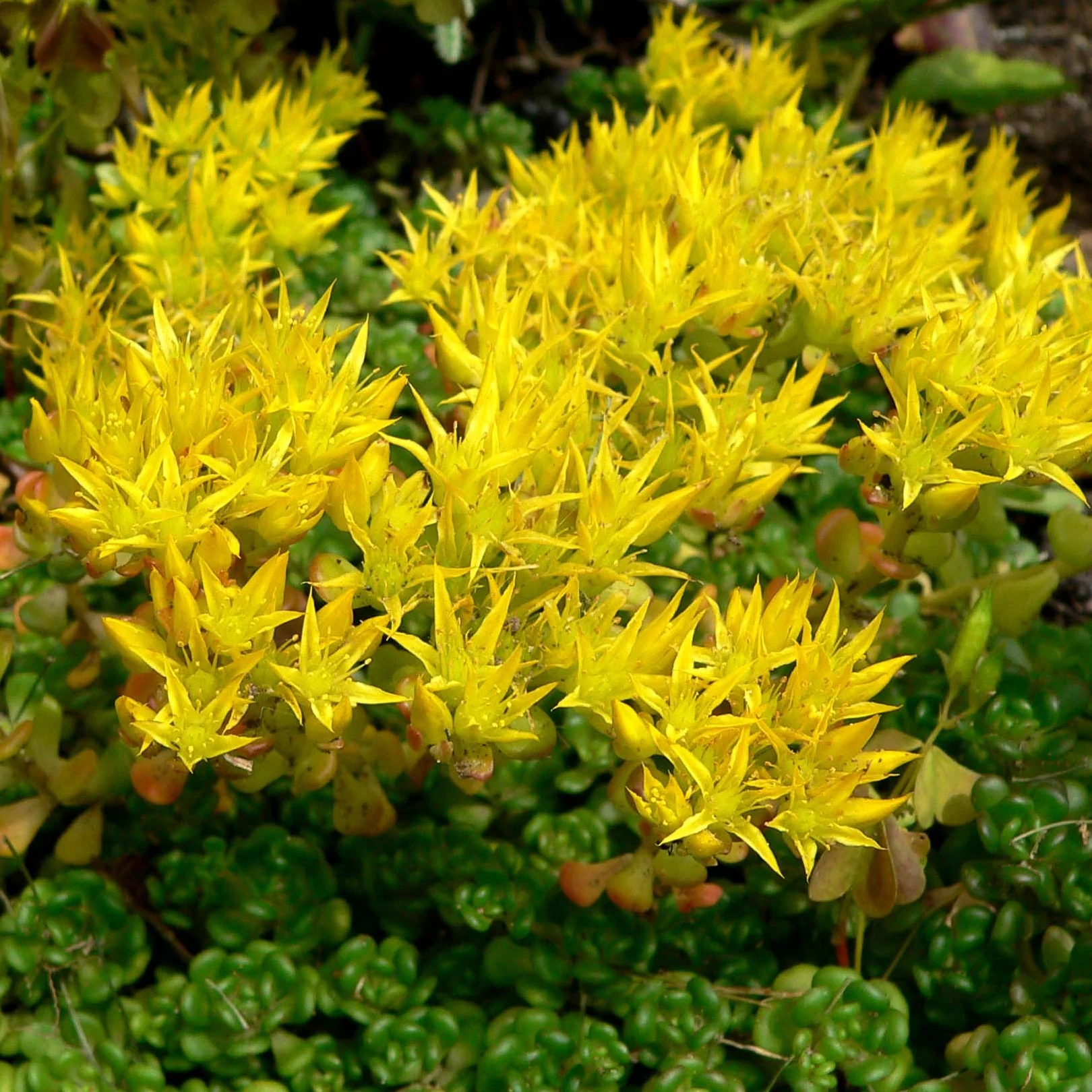
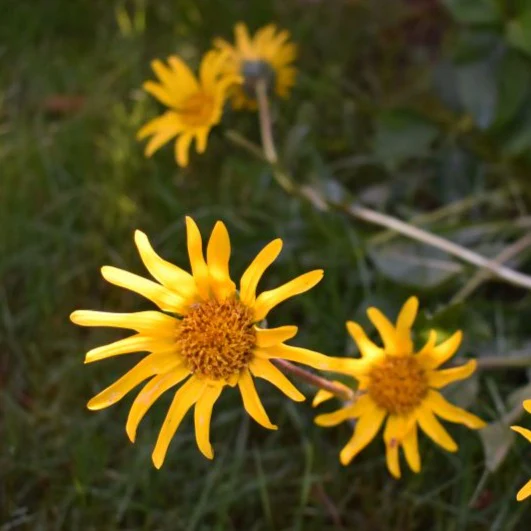
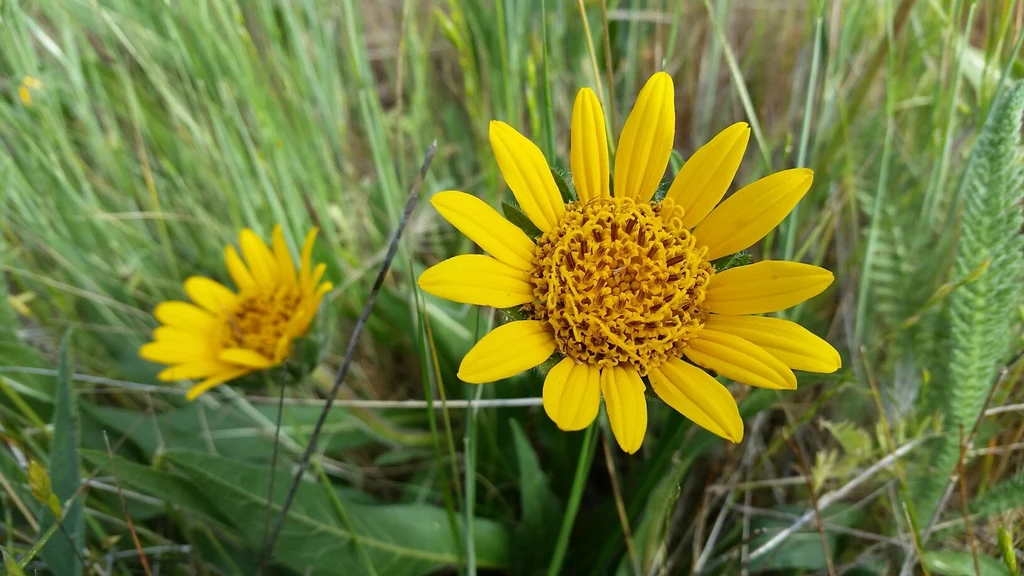
Narrow-leaved mule’s ear is a drought-tolerant wildflower that can be used easily in almost any sunny native garden, such as meadowscapes or open woodland gardens. It sports an oversized and showy yellow flower, very similar to a sunflower and equally adored by pollinators.
- Plant type/canopy layer: deciduous, perennial, herbaceous plant
- Size at maturity: 1-2' tall, 1-3' wide
- Light requirements: full sun
- Moisture requirements: moist to dry soil, ideally well-drained
- Bloom time: May - July
- Growth rate/ease: medium to slow growth rate, easy to grow
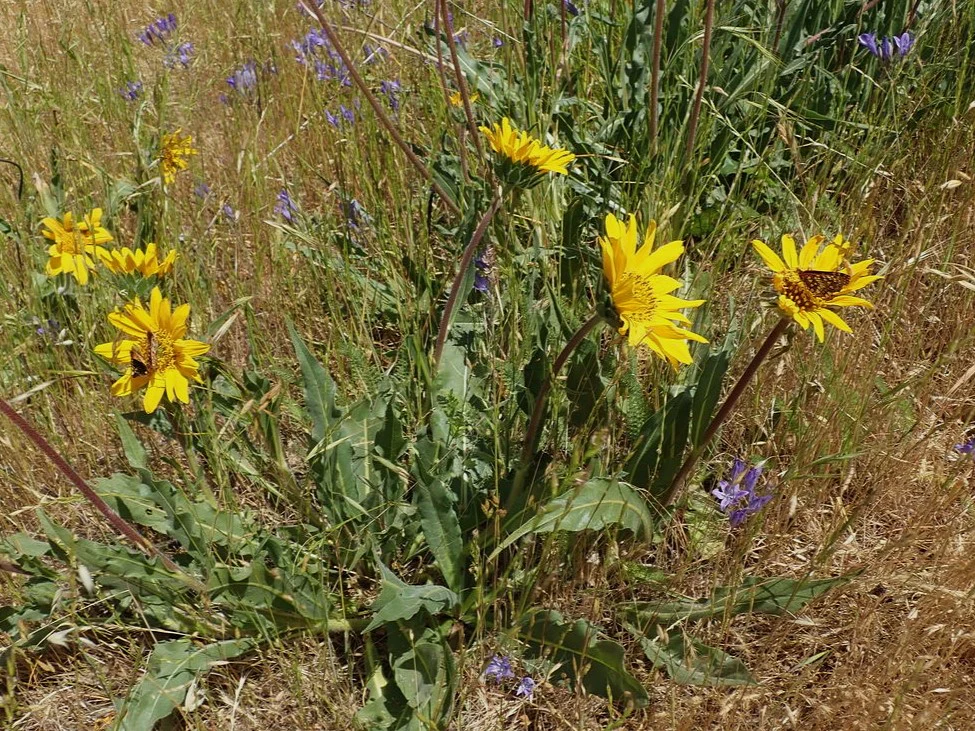
- Wildlife support: flowers attract and provide nectar to adult butterflies, bees and other insect pollinators; overall plant is a caterpillar host plant and larval food source for native butterflies and moths
- Native habitat/range: common in grasslands, meadows and open hillsides from sea level to 2200m, from southern Washington, especially throughout the Columbia River Gorge, as well as the Willamette Valley and Central California. Portland Plant List - no (though there are occurrences in Multnomah County).
- Special features & uses: landscape uses include pollinator gardens and wildflower meadowscapes
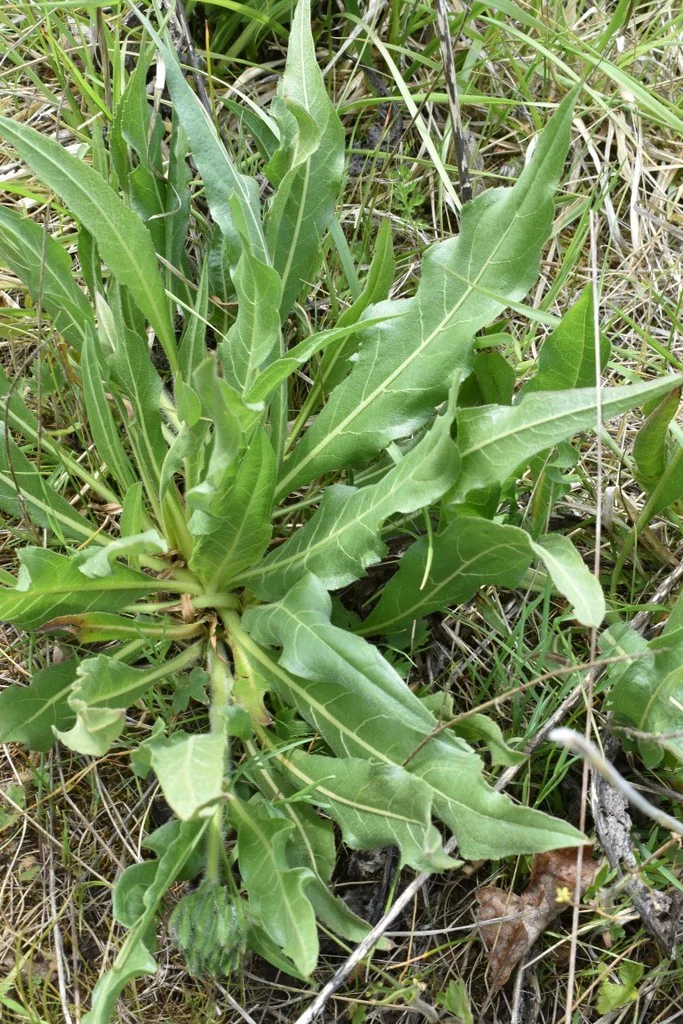
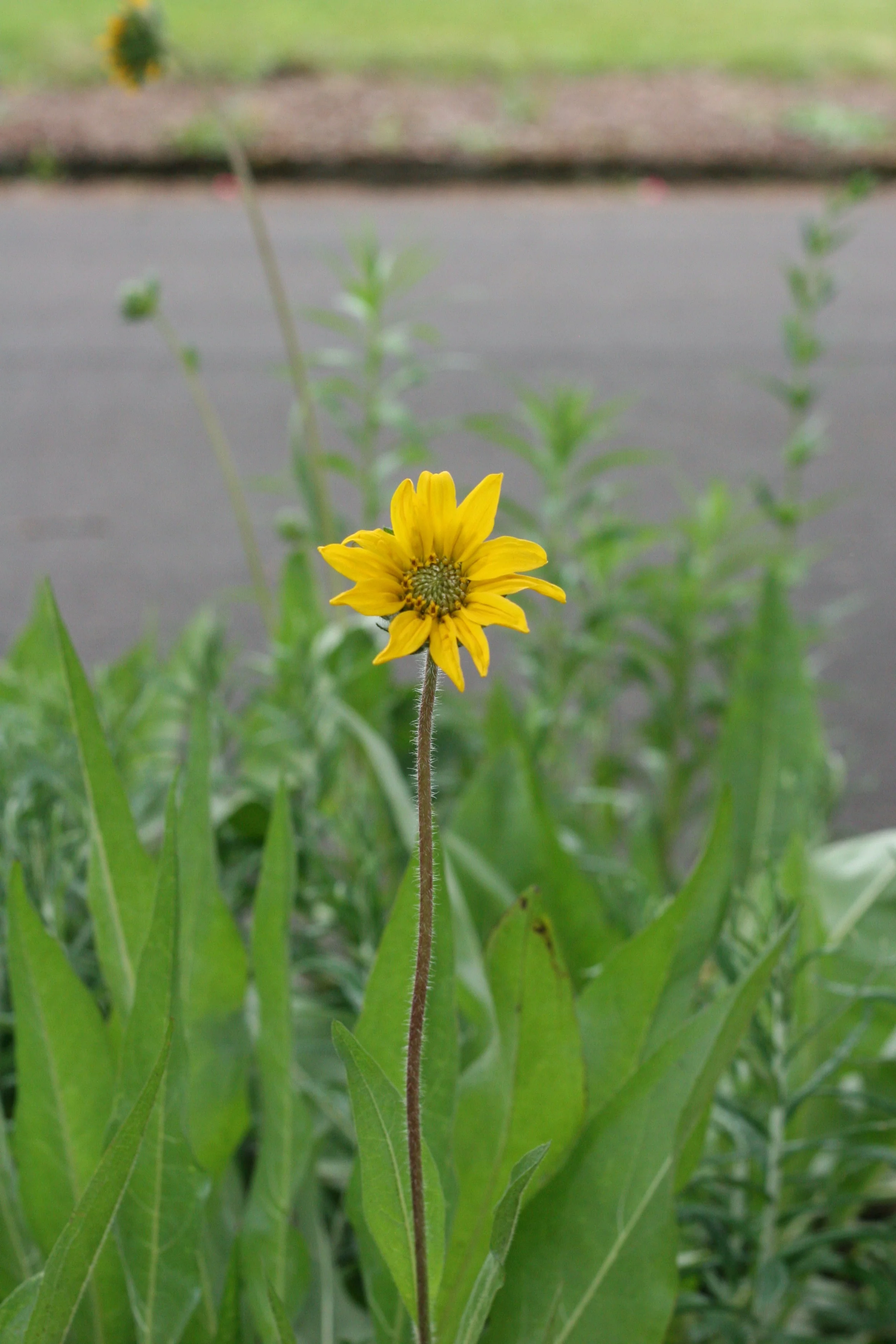
Gardening with Narrow-leaved Mule’s Ear: Plant in full sun areas with sandy, loamy soils that are well-drained to see this lovely wildflower thrive. Its lanceolate leaves start lush in the early season, then turn crispy brown as the season progresses. So we recommend interplanting with other bunchgrasses and wild flowers that fill in and easily cover the dry leaves. Like many native perennials, it dies back entirely, then returns the following spring. It is also slow-growing, but will spread via rhizomes over many years.
Photo Credits 1 (flowers close): Nikkie West, Sparrowhawk Native Plants
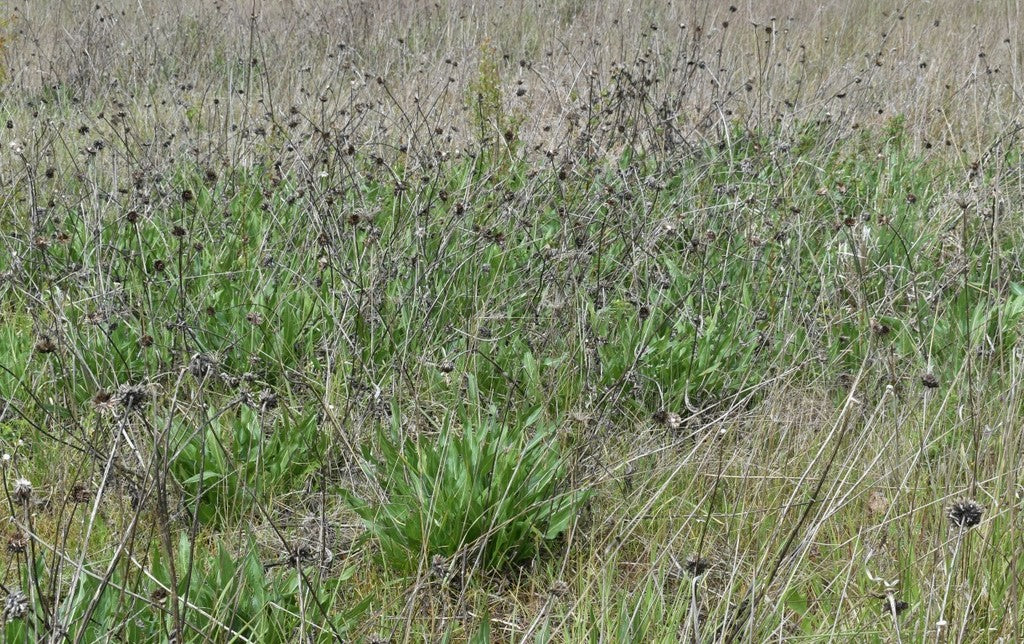
Photo Credits 2 & 9 (foliage, field with seed heads): © Gail A Baker, some rights reserved (CC-BY)
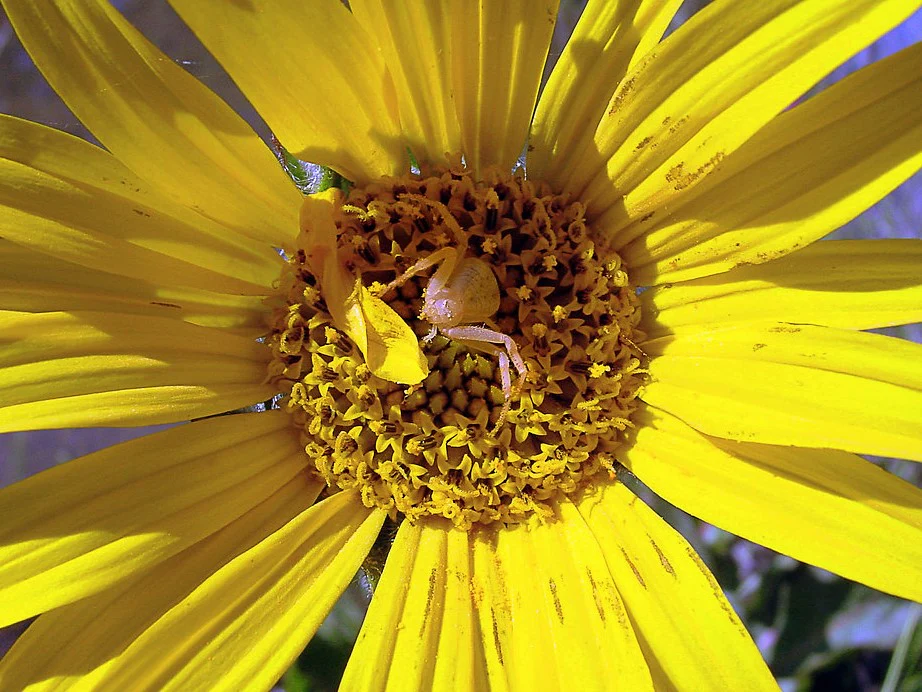
Photo Credit 3 (close-up with spider): "Wyethia angustifolia" by BLM Oregon & Washington is licensed under CC BY-SA 2.0.
Photo Credit 4 (flowers close): © Alex, some rights reserved (CC-BY)
Photo Credit 5 (flower in parking strip): Karli Del Biondo, Beetles and Bees
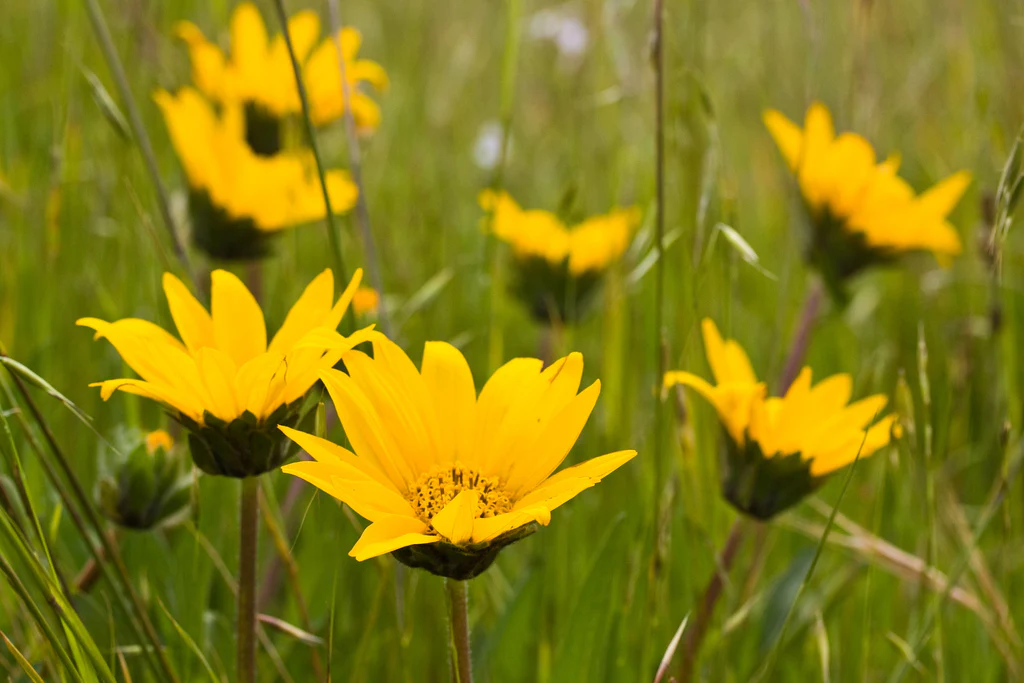
Photo Credit 6 (flowers from side): © Ken-ichi Ueda, some rights reserved (CC-BY)
Photo Credit 7 (flowering habit with checkerspot): © joergmlpts, some rights reserved (CC-BY)
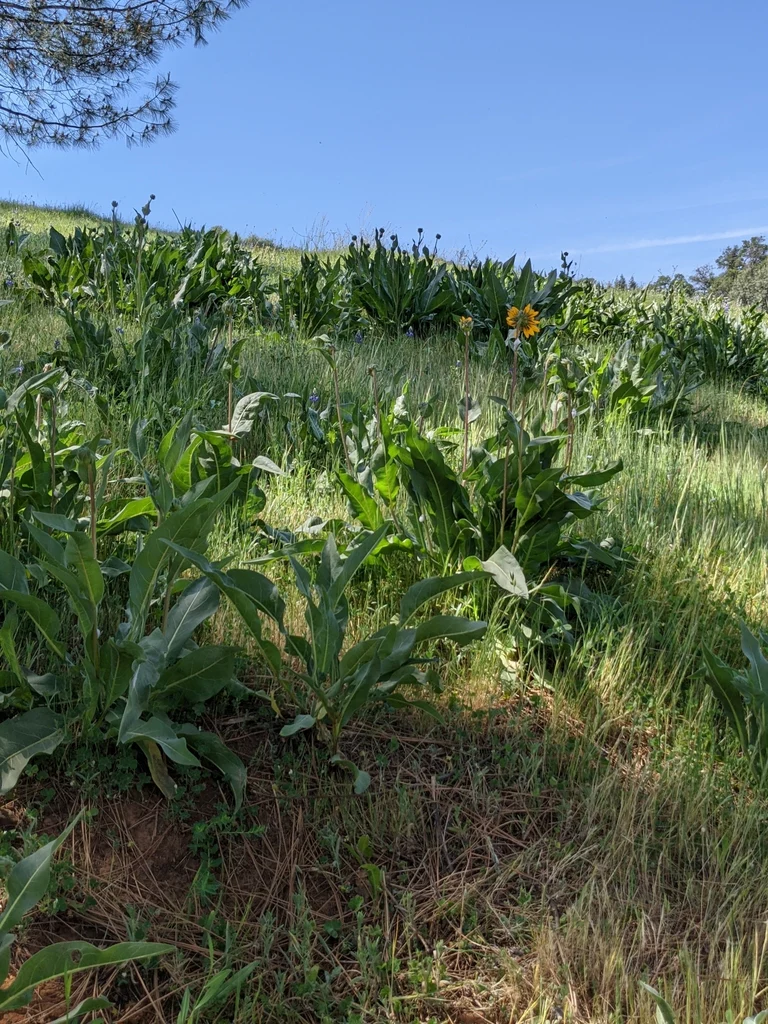
Photo Credit 8 (hillside, mostly foliage): © Justin, some rights reserved (CC-BY)
Details & Craftsmanship
Every detail has been carefully considered to bring you the perfect product.
Details & Craftsmanship
Every detail has been carefully considered to bring you the perfect product.
Details & Craftsmanship
Every detail has been carefully considered to bring you the perfect product.
Details & Craftsmanship
Every detail has been carefully considered to bring you the perfect product.
Details & Craftsmanship
Every detail has been carefully considered to bring you the perfect product.
Details & Craftsmanship
Every detail has been carefully considered to bring you the perfect product.
Details & Craftsmanship
Every detail has been carefully considered to bring you the perfect product.
Details & Craftsmanship
Every detail has been carefully considered to bring you the perfect product.
Description
Wyethia angustifolia
Narrow-leaved mule’s ear is a drought-tolerant wildflower that can be used easily in almost any sunny native garden, such as meadowscapes or open woodland gardens. It sports an oversized and showy yellow flower, very similar to a sunflower and equally adored by pollinators.
- Plant type/canopy layer: deciduous, perennial, herbaceous plant
- Size at maturity: 1-2' tall, 1-3' wide
- Light requirements: full sun
- Moisture requirements: moist to dry soil, ideally well-drained
- Bloom time: May - July
- Growth rate/ease: medium to slow growth rate, easy to grow
- Wildlife support: flowers attract and provide nectar to adult butterflies, bees and other insect pollinators; overall plant is a caterpillar host plant and larval food source for native butterflies and moths
- Native habitat/range: common in grasslands, meadows and open hillsides from sea level to 2200m, from southern Washington, especially throughout the Columbia River Gorge, as well as the Willamette Valley and Central California. Portland Plant List - no (though there are occurrences in Multnomah County).
- Special features & uses: landscape uses include pollinator gardens and wildflower meadowscapes
Gardening with Narrow-leaved Mule’s Ear: Plant in full sun areas with sandy, loamy soils that are well-drained to see this lovely wildflower thrive. Its lanceolate leaves start lush in the early season, then turn crispy brown as the season progresses. So we recommend interplanting with other bunchgrasses and wild flowers that fill in and easily cover the dry leaves. Like many native perennials, it dies back entirely, then returns the following spring. It is also slow-growing, but will spread via rhizomes over many years.
Photo Credits 1 (flowers close): Nikkie West, Sparrowhawk Native Plants
Photo Credits 2 & 9 (foliage, field with seed heads): © Gail A Baker, some rights reserved (CC-BY)
Photo Credit 3 (close-up with spider): "Wyethia angustifolia" by BLM Oregon & Washington is licensed under CC BY-SA 2.0.
Photo Credit 4 (flowers close): © Alex, some rights reserved (CC-BY)
Photo Credit 5 (flower in parking strip): Karli Del Biondo, Beetles and Bees
Photo Credit 6 (flowers from side): © Ken-ichi Ueda, some rights reserved (CC-BY)
Photo Credit 7 (flowering habit with checkerspot): © joergmlpts, some rights reserved (CC-BY)
Photo Credit 8 (hillside, mostly foliage): © Justin, some rights reserved (CC-BY)