Original: $4.95
-65%$4.95
$1.73The Story
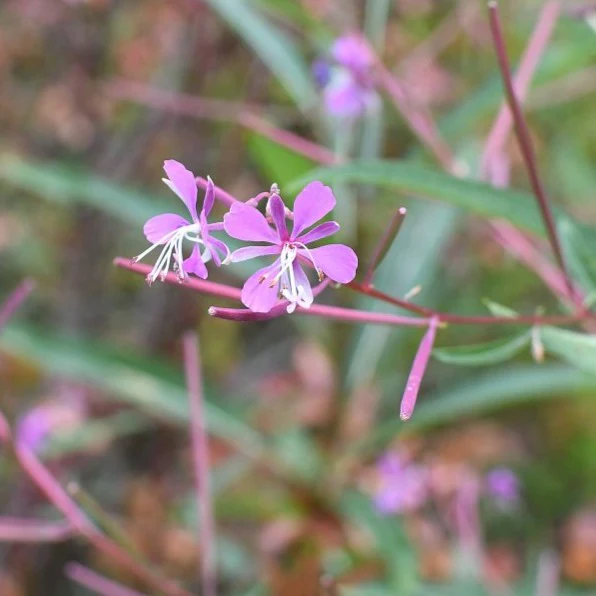
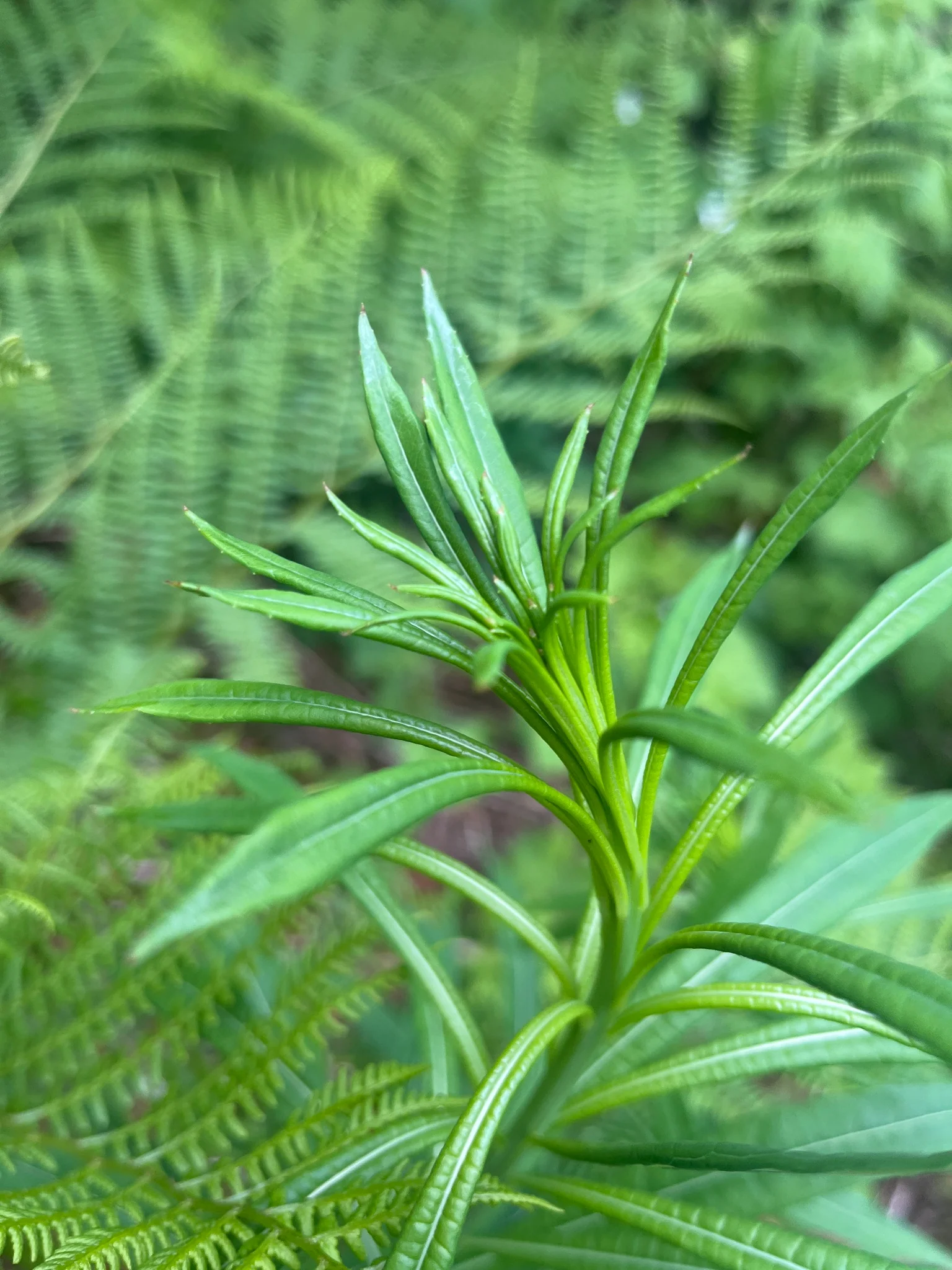
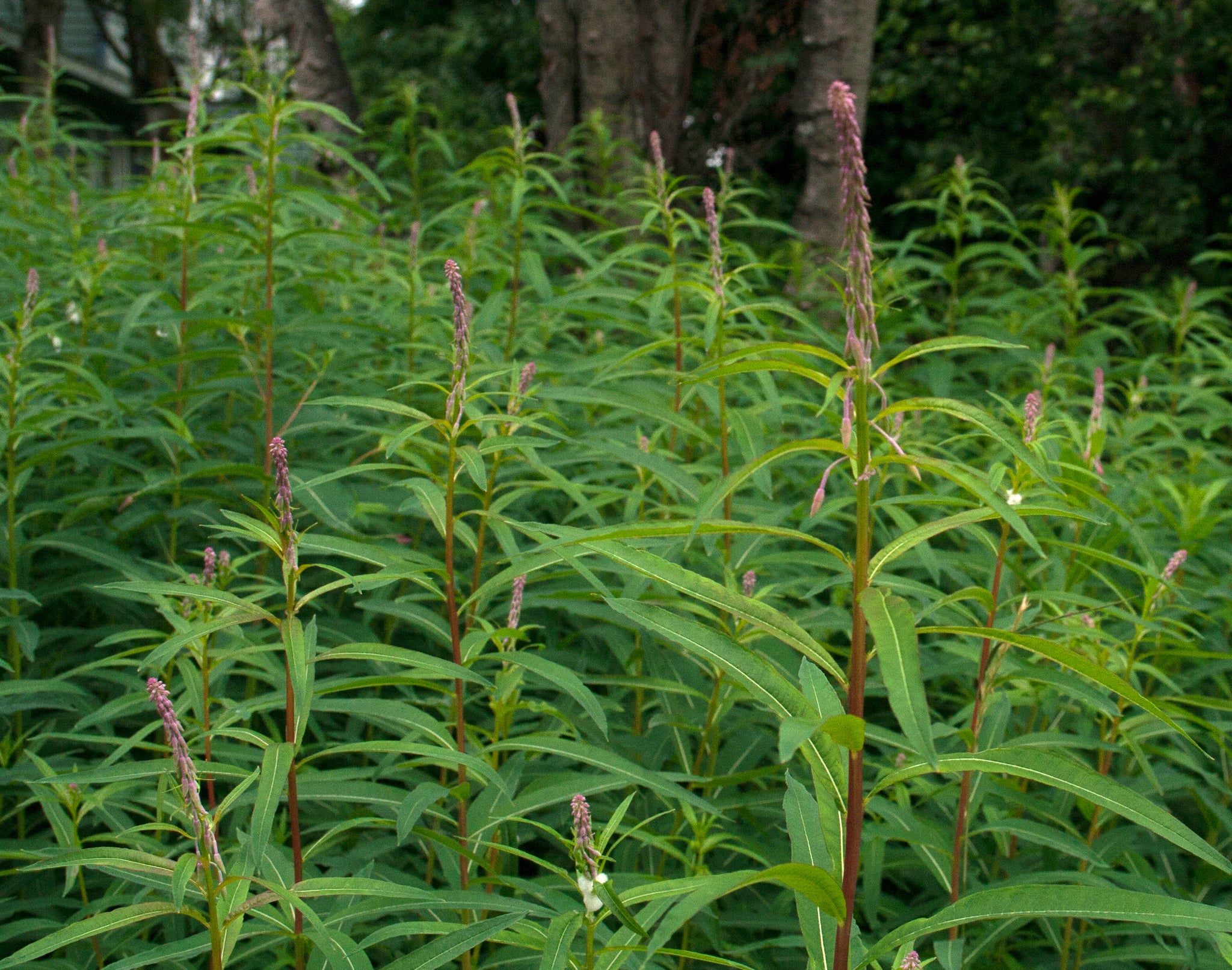
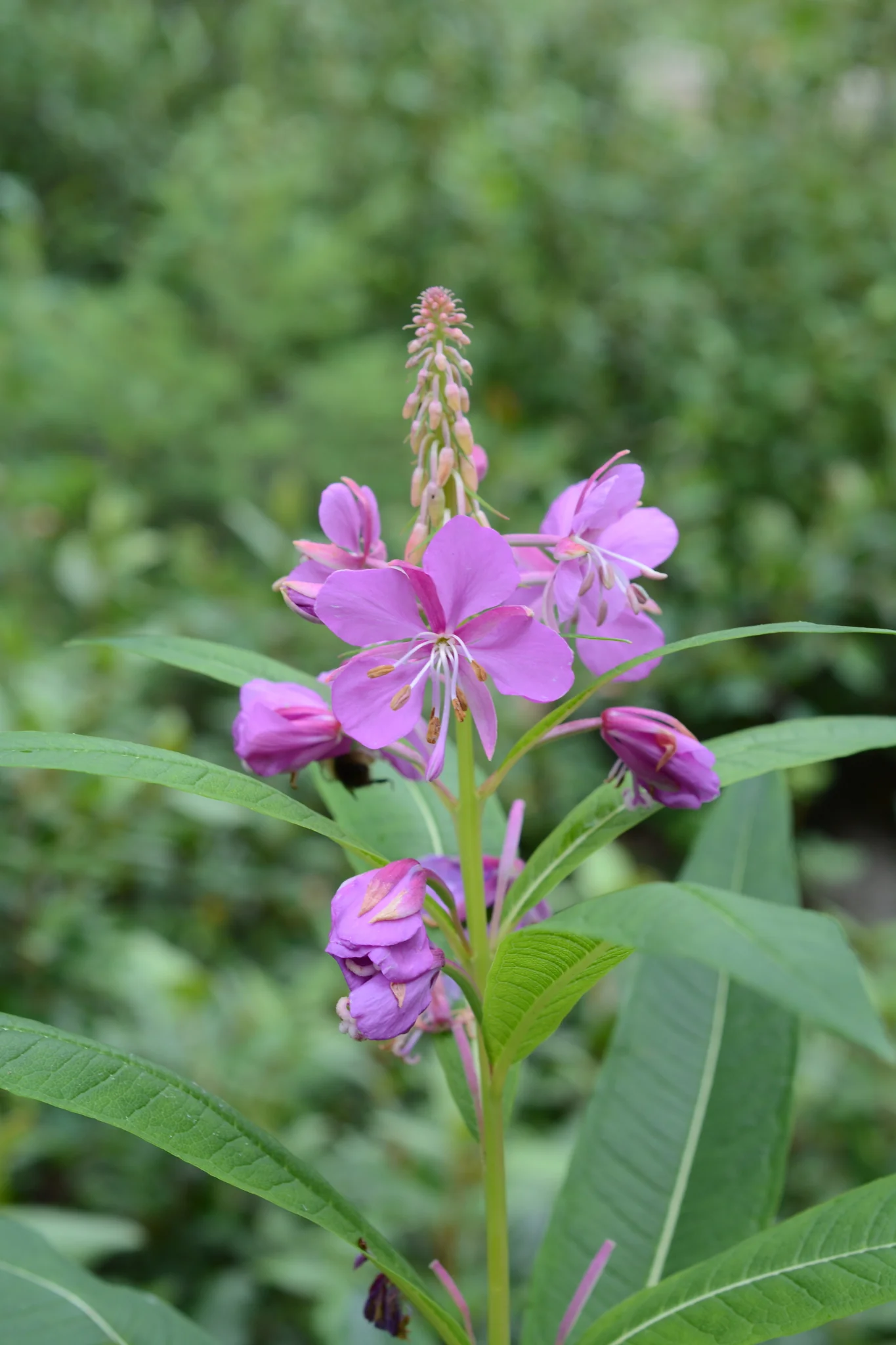
Chamerion angustifolium
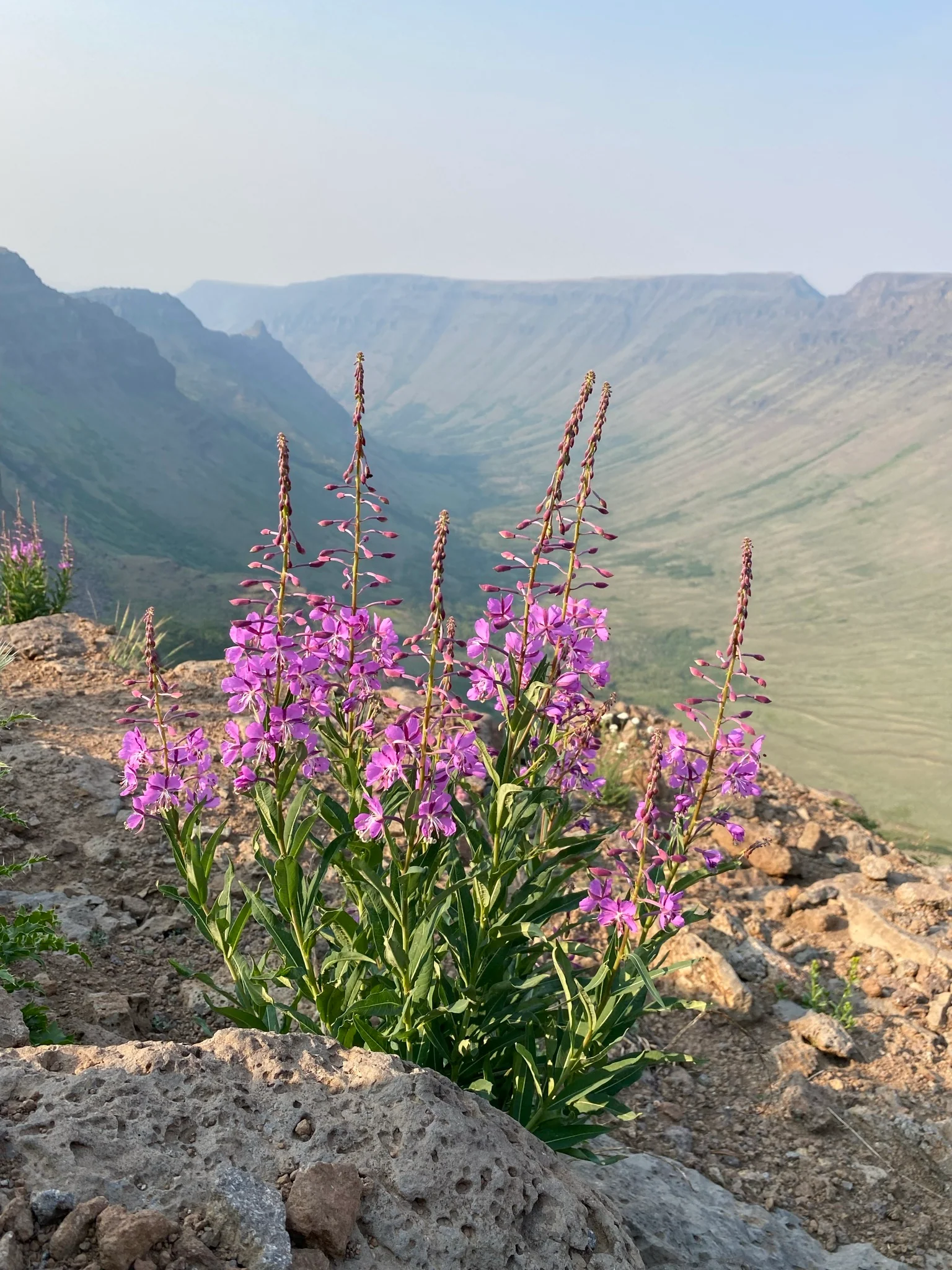
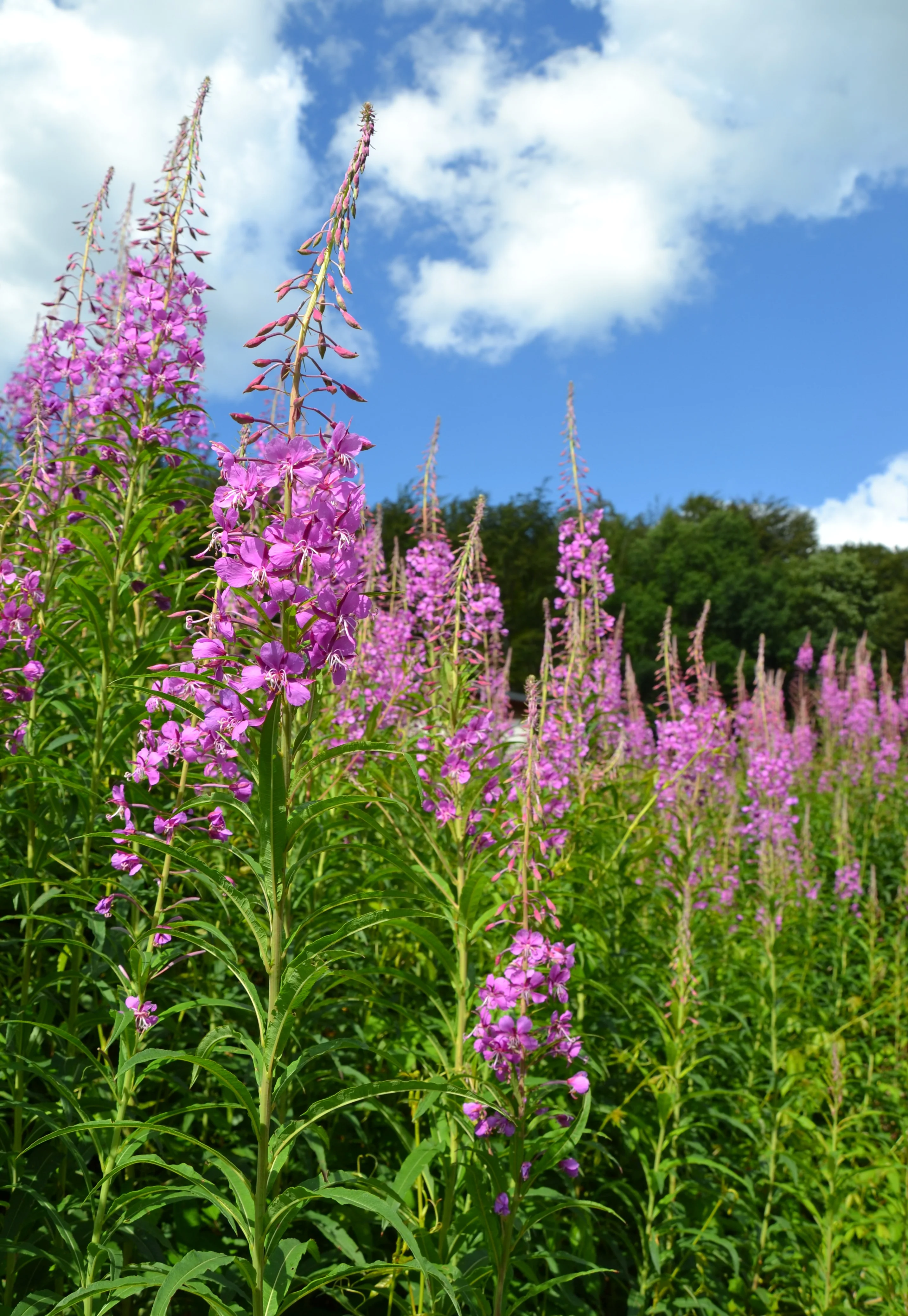
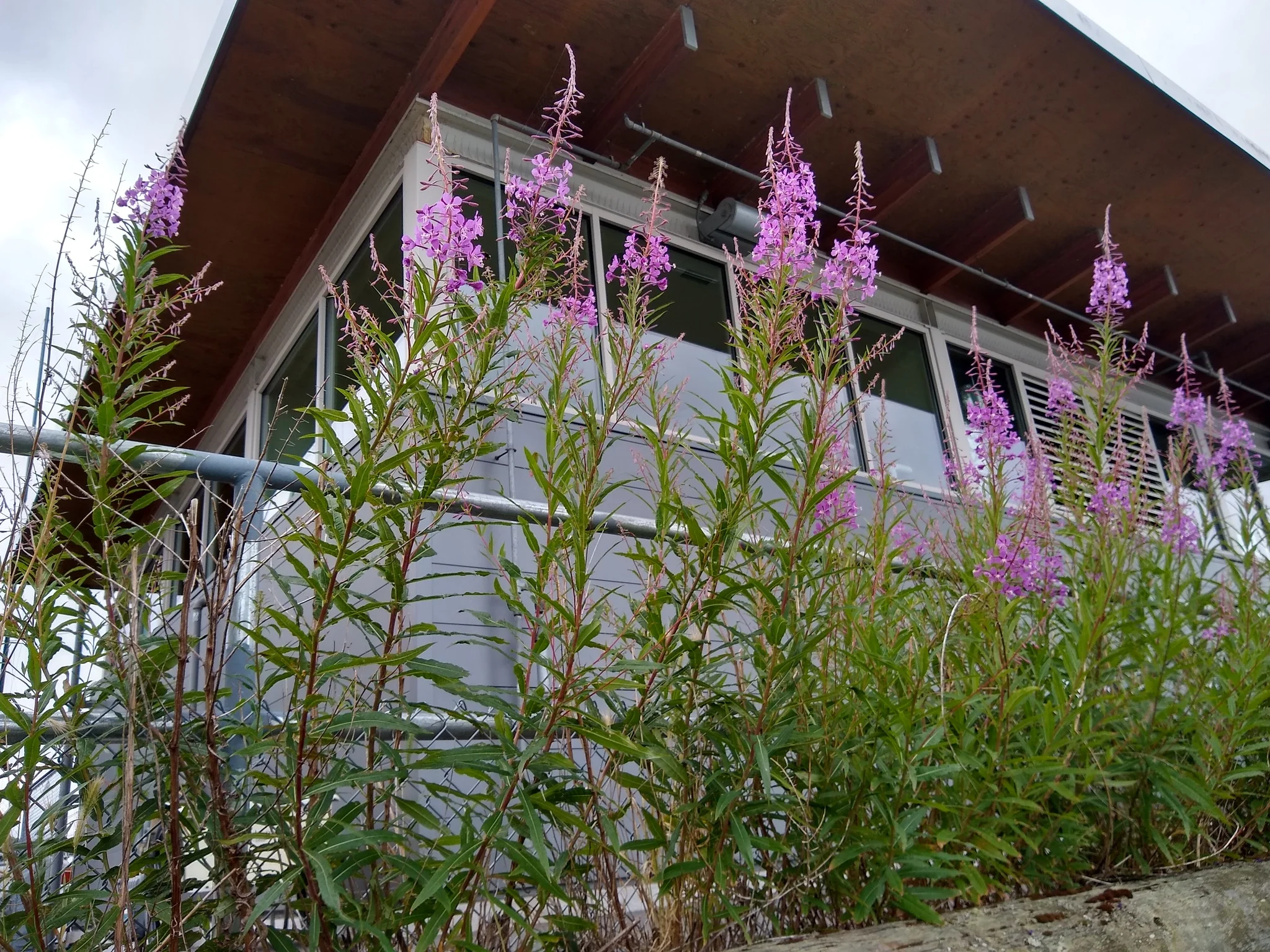
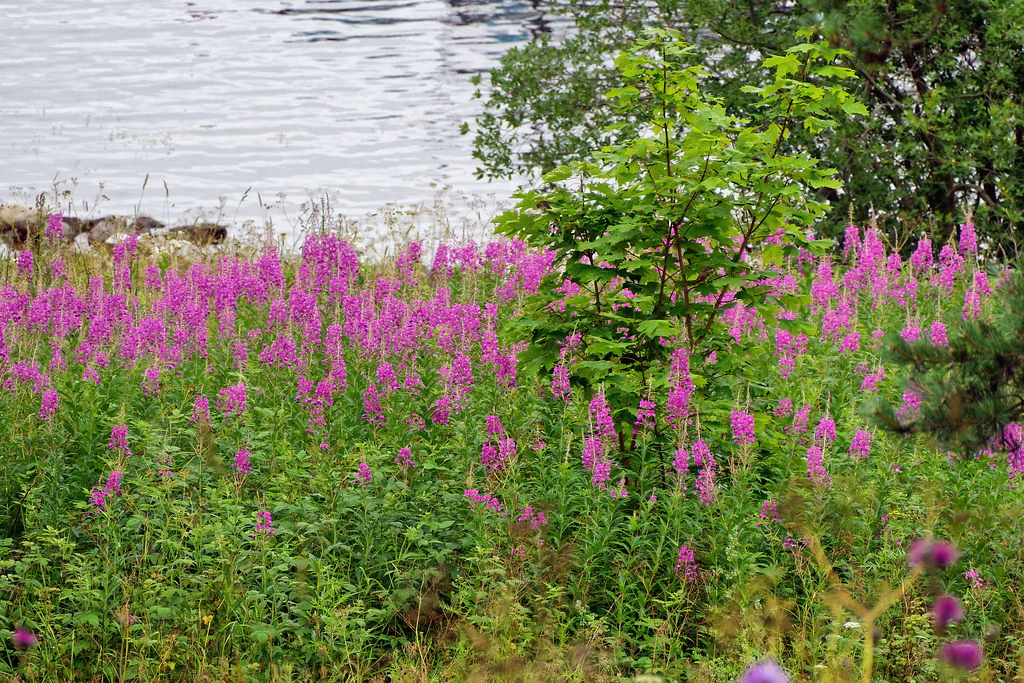
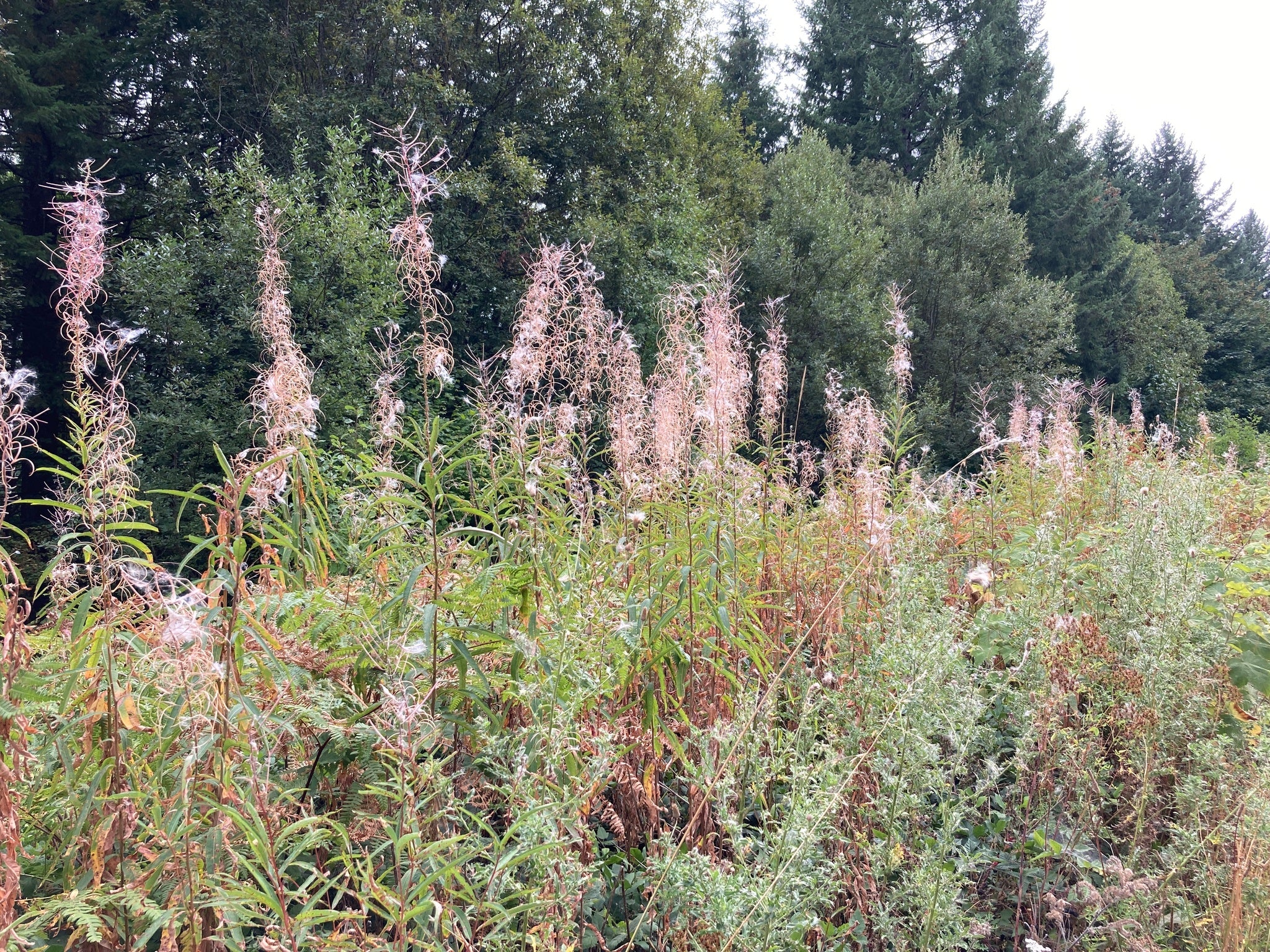
Sunny meadows of abundant magenta fireweed flowers are a sight to behold. Each flower spire can be adorned with up to 50 striking blooms that hold all summer long, providing critical food for pollinators. By fall, the flowers evolve into silky tufts of seeds that release and float like clouds to lucky new locations. Named fireweed due to its ability to colonize burned or otherwise disturbed areas rapidly, it was one of the first plants to appear after the eruption of Mt. St. Helens in 1980.
- Plant type/canopy layer: deciduous, perennial, herbaceous plant
- Size at maturity: usually 4’-6’ tall, but can reach 8’, spreads laterally by rhizomes
- Light requirements: full sun, part sun/part shade
- Moisture requirements: moist to dry soil
- Bloom time: June - Sept
- Growth rate/ease: fast growing, easy to grow
- Wildlife support: flowers attract and provide nectar to hummingbirds, adult butterflies, bees, and other insect pollinators; shoots/foliage are a preferred food of deer, moose, caribou, muskrat, and rabbits and are a larval food source for native butterflies and moths; overall plant attracts and supports beneficial and other pest-eating insects and is a host plant for several species of caterpillars
- Native habitat/range: commonly found growing in open or disturbed sites, especially recent burns in meadows, clearcuts, and mixed forests, from sea-level to subalpine elevations, across the Pacific Northwest from northern California through British Columbia. Portland Plant List - yes.
- Special features & uses: wildlife and pollinator favorite; drought-tolerant; edible - shoots and greens can be cooked/braised as a tasty spring vegetable, while flower nectar yields a rich, spicy honey and can be made into jelly; medicinal - tea can be made from the leaves, which are high in vitamins A and C; landscape uses include pollinator gardens, meadowscapes, edges/openings of woodland gardens, erosion control and greenroofs
Gardening with Fireweed: This is an effortless and versatile habitat plant. It thrives in a wide range of light and soil conditions, though it prefers at least half a day of sun. Perfectly suited to the Pacific Northwest garden, it does great with seasonal wetness, and tolerates summer drought just fine. It spreads vigorously by rhizomes, colonizing large areas quickly - which may require some control over time. You can help keep it in check by planting it in areas where soils are thinner and drier and by not providing supplemental water.
Photo Credit 1: Tara Lemezis, Tiny Seed Photography
Photo Credit 2: © Noah How, some rights reserved (CC-BY)
Photo Credit 3: © Connie Taylor, some rights reserved (CC-BY)
Photo Credit 4: © Alison Northup, some rights reserved (CC-BY)
Photo Credit 5: © Matt Berger, some rights reserved (CC-BY)
Photo Credit 6: "Chamerion angustifolium Le Tholy" by Sapin88 is licensed under CC BY-SA 3.0.
Photo Credit 7: © John Brew, some rights reserved (CC-BY)
Photo Credit 8: "Chamerion angustifolium 2" by Alexxx1979 is licensed under CC BY-SA 2.0.
Photo Credit 9: © Casey Schreiner, some rights reserved (CC-BY)
Details & Craftsmanship
Every detail has been carefully considered to bring you the perfect product.
Details & Craftsmanship
Every detail has been carefully considered to bring you the perfect product.
Details & Craftsmanship
Every detail has been carefully considered to bring you the perfect product.
Details & Craftsmanship
Every detail has been carefully considered to bring you the perfect product.
Details & Craftsmanship
Every detail has been carefully considered to bring you the perfect product.
Details & Craftsmanship
Every detail has been carefully considered to bring you the perfect product.
Details & Craftsmanship
Every detail has been carefully considered to bring you the perfect product.
Details & Craftsmanship
Every detail has been carefully considered to bring you the perfect product.
Description
Chamerion angustifolium
Sunny meadows of abundant magenta fireweed flowers are a sight to behold. Each flower spire can be adorned with up to 50 striking blooms that hold all summer long, providing critical food for pollinators. By fall, the flowers evolve into silky tufts of seeds that release and float like clouds to lucky new locations. Named fireweed due to its ability to colonize burned or otherwise disturbed areas rapidly, it was one of the first plants to appear after the eruption of Mt. St. Helens in 1980.
- Plant type/canopy layer: deciduous, perennial, herbaceous plant
- Size at maturity: usually 4’-6’ tall, but can reach 8’, spreads laterally by rhizomes
- Light requirements: full sun, part sun/part shade
- Moisture requirements: moist to dry soil
- Bloom time: June - Sept
- Growth rate/ease: fast growing, easy to grow
- Wildlife support: flowers attract and provide nectar to hummingbirds, adult butterflies, bees, and other insect pollinators; shoots/foliage are a preferred food of deer, moose, caribou, muskrat, and rabbits and are a larval food source for native butterflies and moths; overall plant attracts and supports beneficial and other pest-eating insects and is a host plant for several species of caterpillars
- Native habitat/range: commonly found growing in open or disturbed sites, especially recent burns in meadows, clearcuts, and mixed forests, from sea-level to subalpine elevations, across the Pacific Northwest from northern California through British Columbia. Portland Plant List - yes.
- Special features & uses: wildlife and pollinator favorite; drought-tolerant; edible - shoots and greens can be cooked/braised as a tasty spring vegetable, while flower nectar yields a rich, spicy honey and can be made into jelly; medicinal - tea can be made from the leaves, which are high in vitamins A and C; landscape uses include pollinator gardens, meadowscapes, edges/openings of woodland gardens, erosion control and greenroofs
Gardening with Fireweed: This is an effortless and versatile habitat plant. It thrives in a wide range of light and soil conditions, though it prefers at least half a day of sun. Perfectly suited to the Pacific Northwest garden, it does great with seasonal wetness, and tolerates summer drought just fine. It spreads vigorously by rhizomes, colonizing large areas quickly - which may require some control over time. You can help keep it in check by planting it in areas where soils are thinner and drier and by not providing supplemental water.
Photo Credit 1: Tara Lemezis, Tiny Seed Photography
Photo Credit 2: © Noah How, some rights reserved (CC-BY)
Photo Credit 3: © Connie Taylor, some rights reserved (CC-BY)
Photo Credit 4: © Alison Northup, some rights reserved (CC-BY)
Photo Credit 5: © Matt Berger, some rights reserved (CC-BY)
Photo Credit 6: "Chamerion angustifolium Le Tholy" by Sapin88 is licensed under CC BY-SA 3.0.
Photo Credit 7: © John Brew, some rights reserved (CC-BY)
Photo Credit 8: "Chamerion angustifolium 2" by Alexxx1979 is licensed under CC BY-SA 2.0.
Photo Credit 9: © Casey Schreiner, some rights reserved (CC-BY)