The Story
Mahonia repens
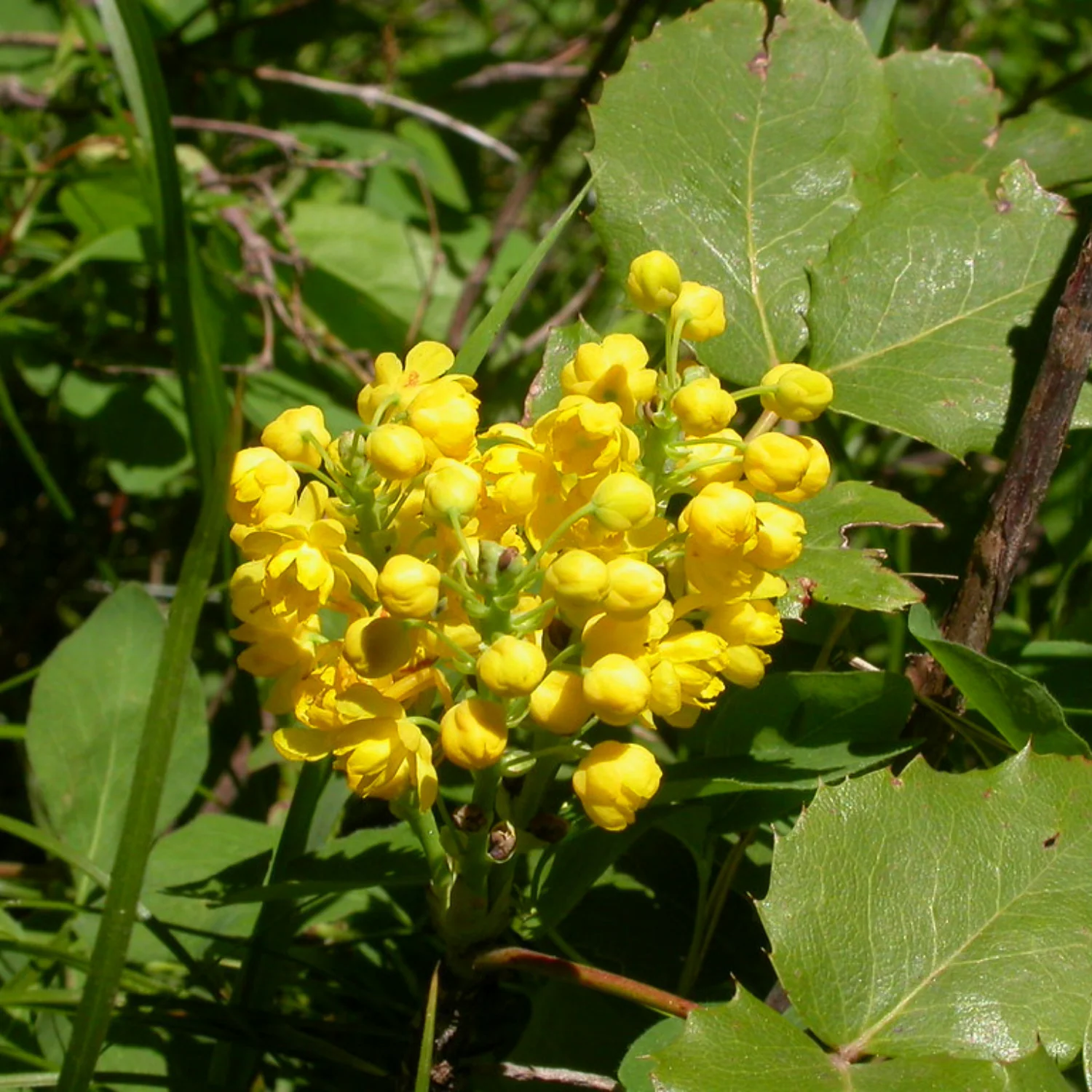
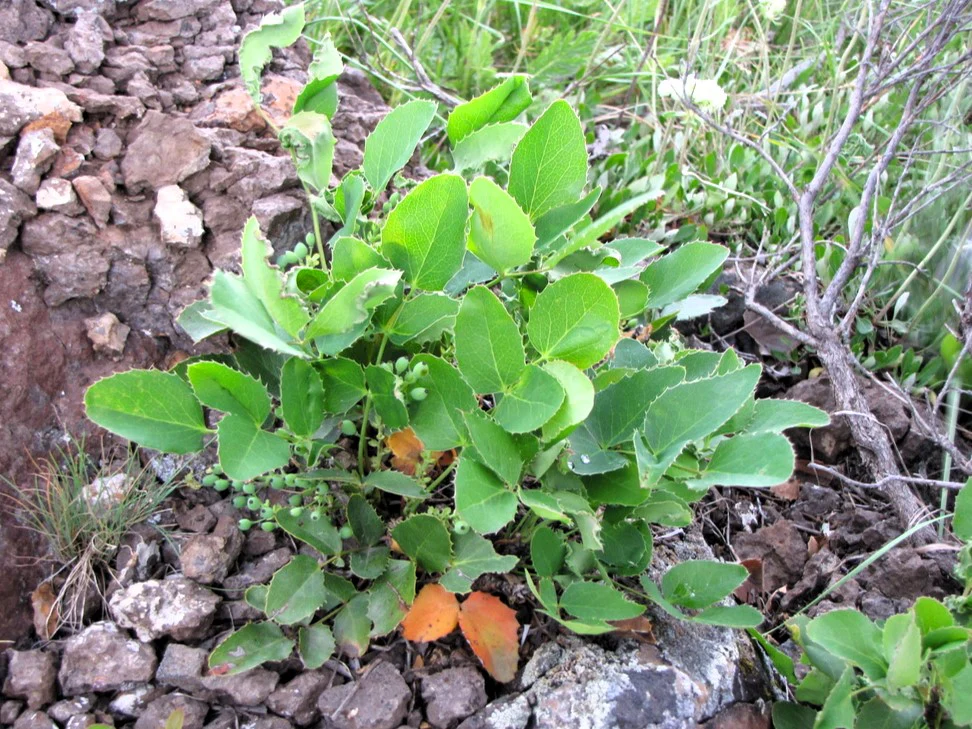
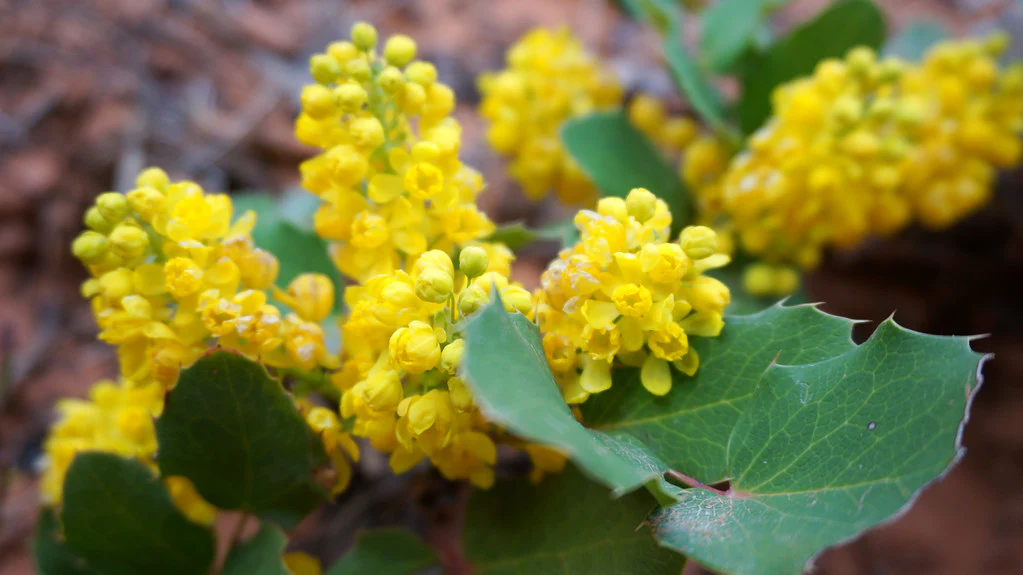
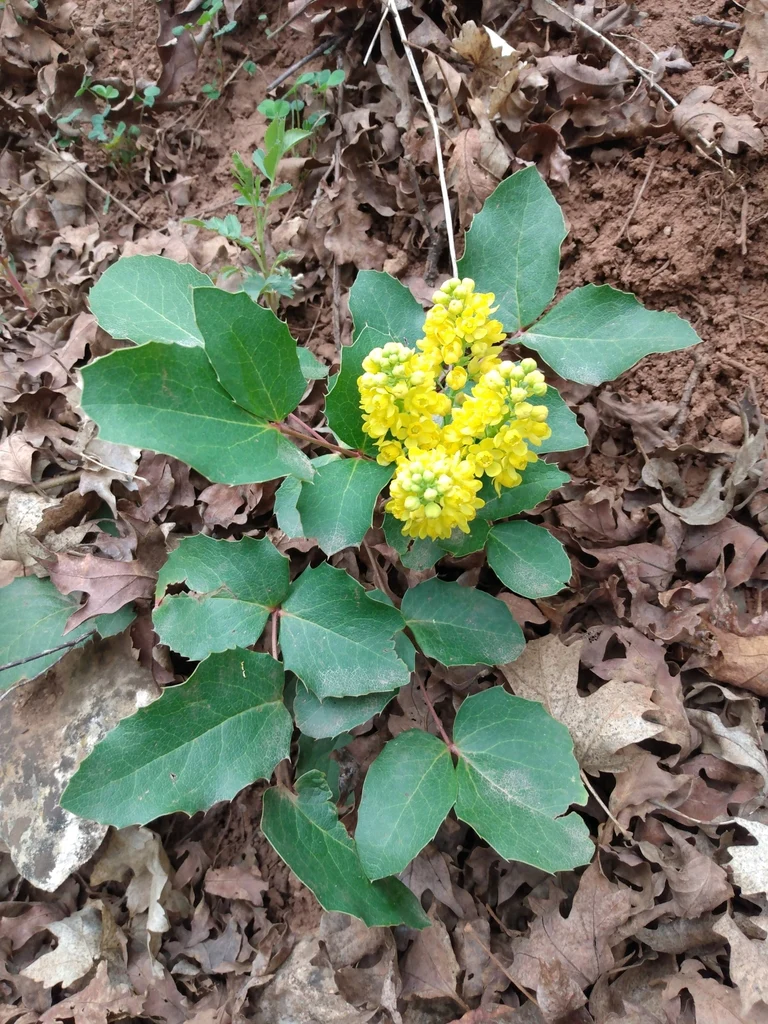
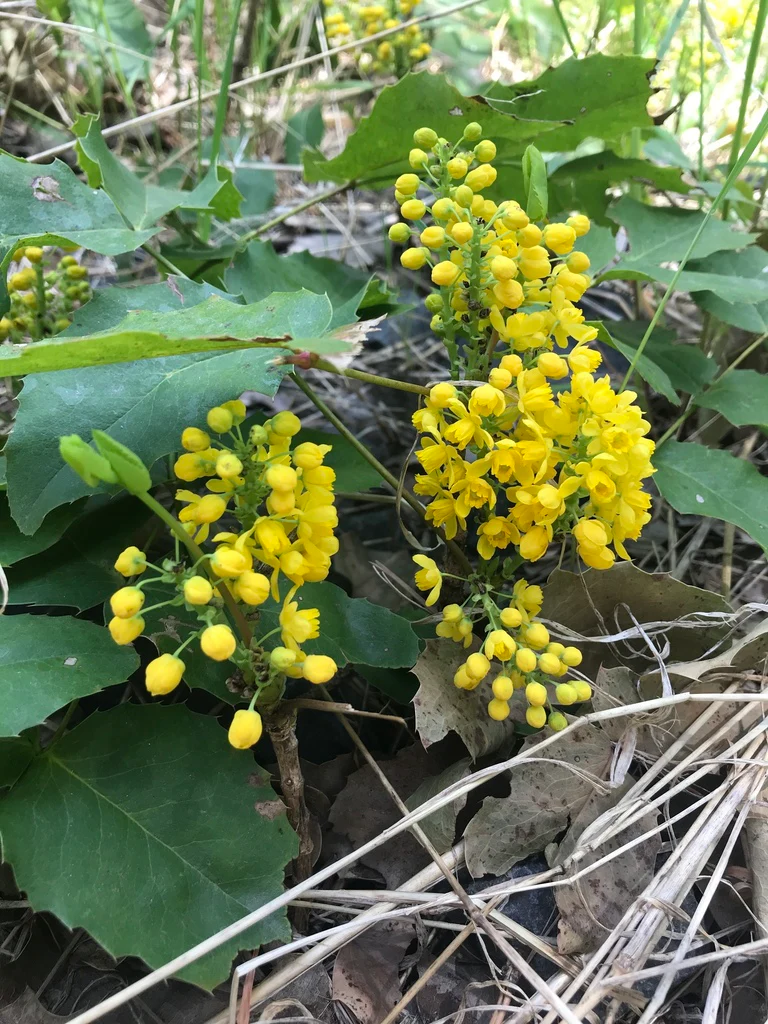
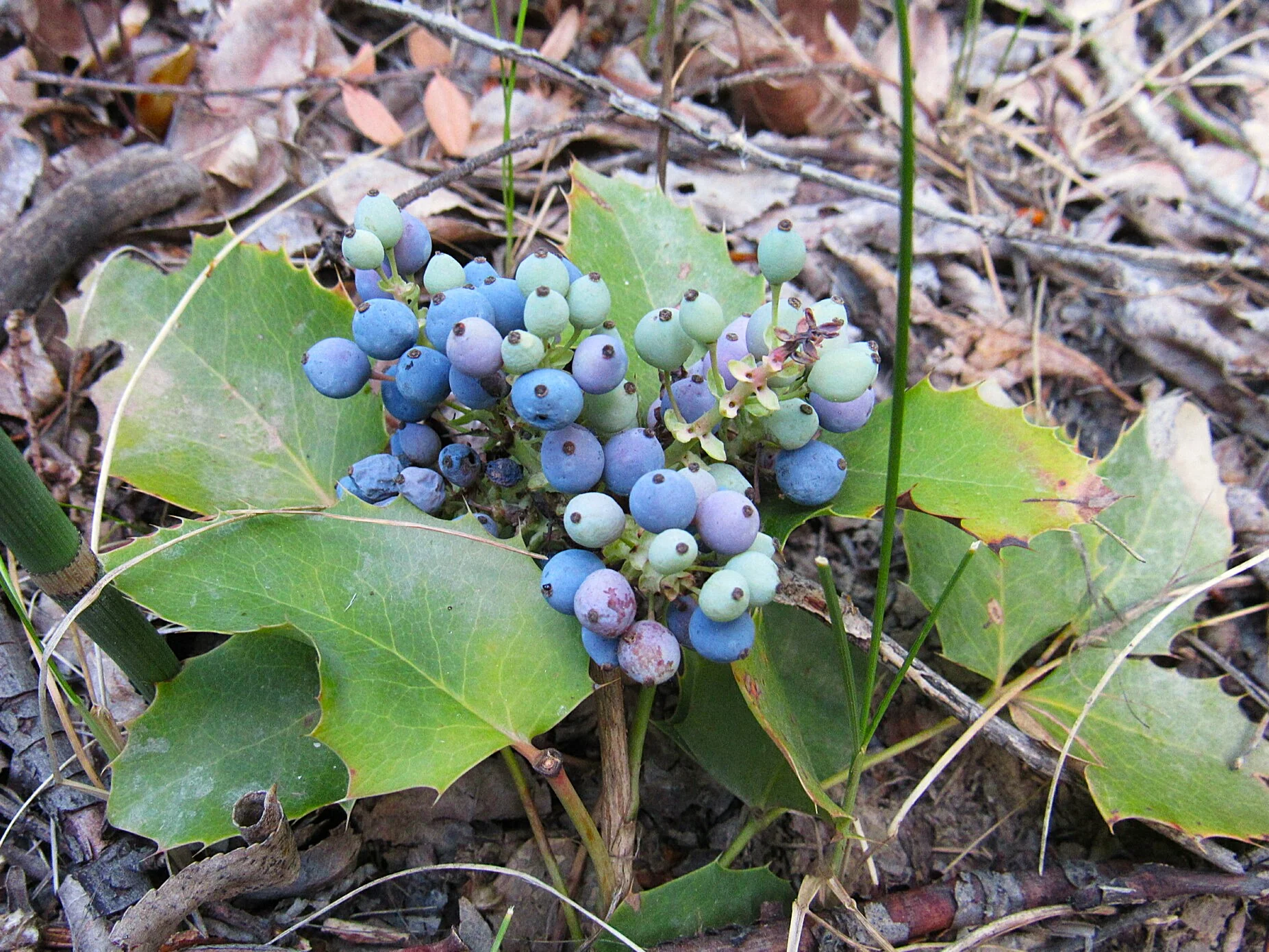
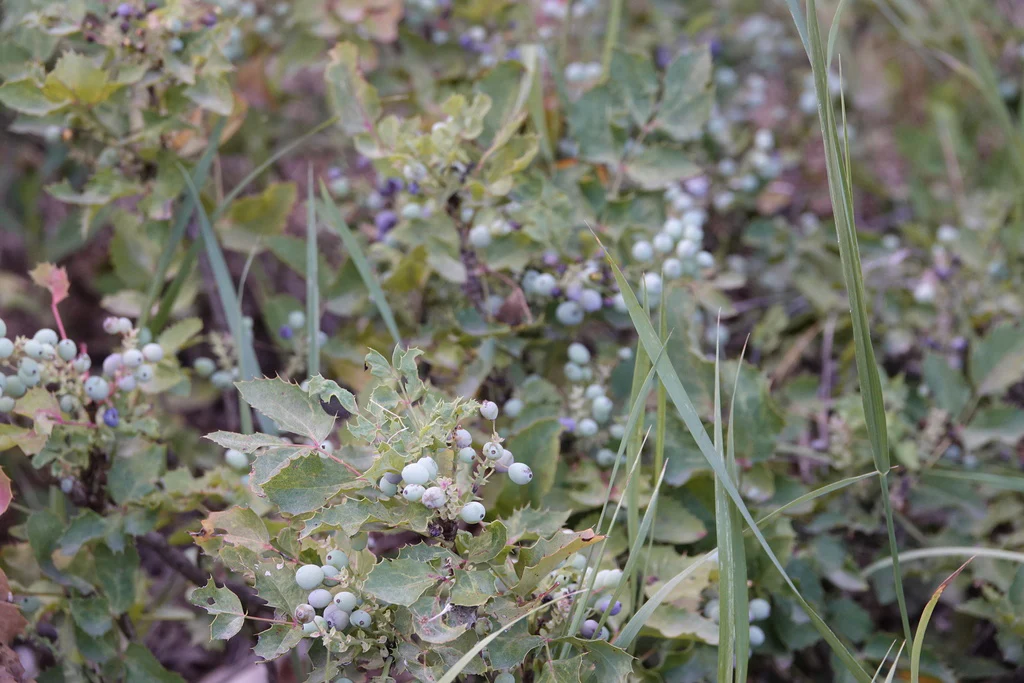
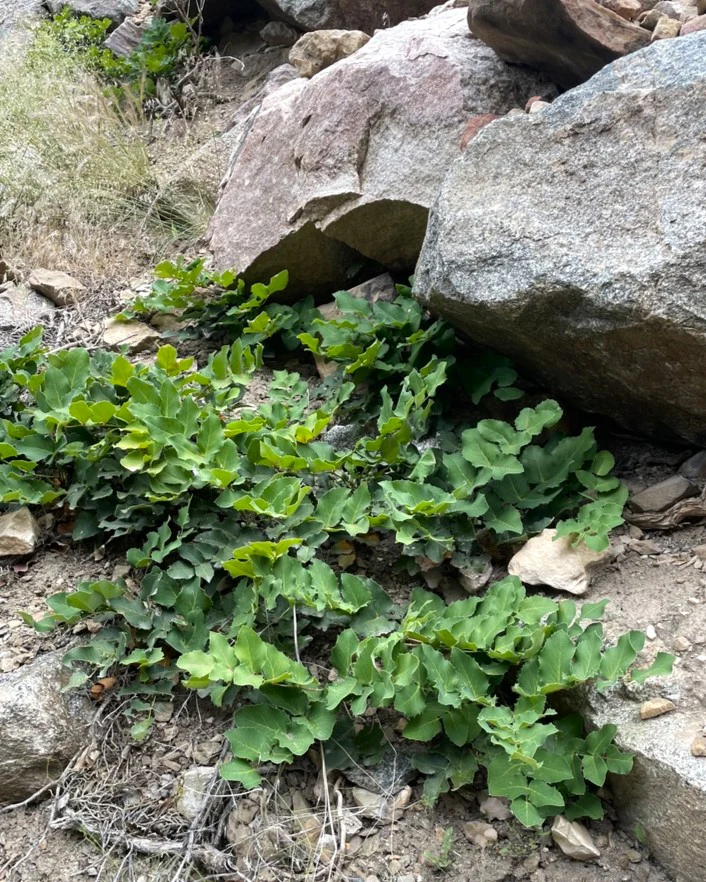
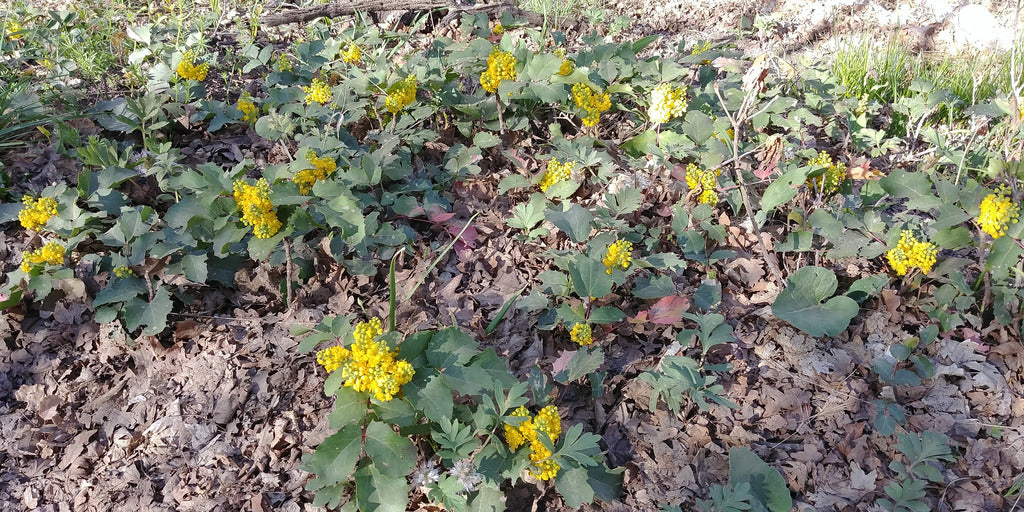
Creeping Oregon grape, also known as low Oregon grape, is evergreen, hardy, and drought-tolerant. It flaunts drooping sprays of fragrant yellow blooms that support an array of bees, hummingbirds and other pollinators, then mature into berries for backyard birds and wildlife. Its leaves are softer and rounder than its cousin the tall Oregon grape, and provide seasonal color to the garden with a dull bluish green hue in summer and shades of bronze, maroon and red in winter.
- Plant type/canopy layer: evergreen, perennial, small shrub
- Size at maturity: 1'-3' tall, 1'-3' wide
- Light requirements: full sun, part sun/part shade, full shade
- Moisture requirements: dry to moist soil, prefers well-drained
- Bloom time: April - July
- Growth rate/ease: medium growth rate, easy to grow
- Wildlife support: blooms are very attractive to bees, other insect pollinators and hummingbirds; berries are eaten by birds; foliage provides cover for many species
- Native habitat/range: common in open woods, especially conifer forests, shrublands, and grasslands up to 2300 m, mainly found east of the Cascades in Oregon and Washington north into British Columbia and south through California and into Texas and extending east into Idaho, Nevada and South Dakota. Portland Plant List - no.
- Special features & uses: evergreen; wildlife favorite, including hummingbirds; drought-tolerant; deer resistant; edible though sour, berries can be juiced, made into jelly or wine, by itself or in combination with other berries such as salal; roots of all Mahonias can be used for making yellow dye, especially for baskets and other fibers
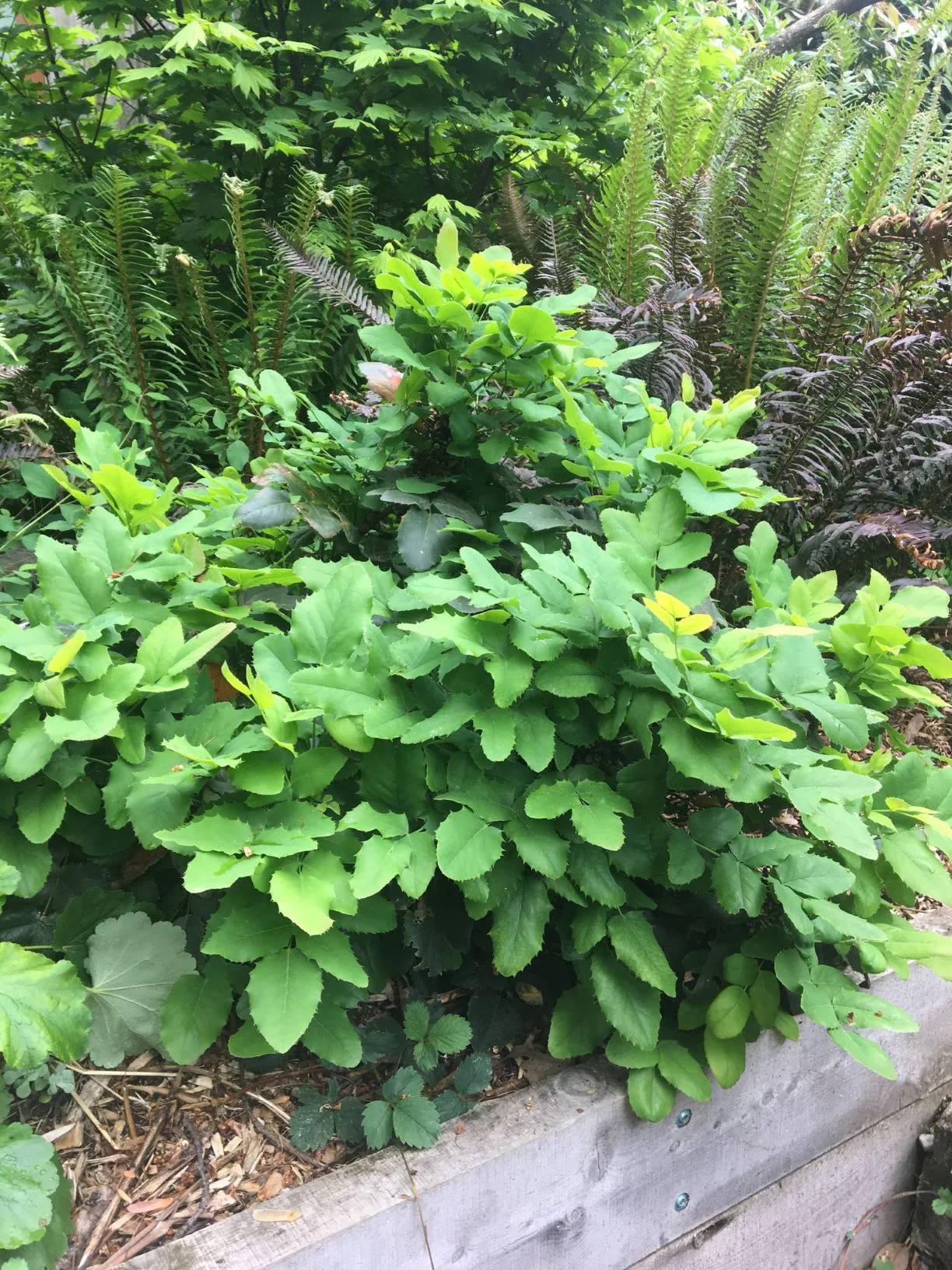
Gardening with Creeping Oregon Grape: Many native plant purists pass over this plant, since it is native east of the Cascades, and historically not present in the Portland Metro area. However, this species is significantly more versatile and able to tolerate increasingly hot and dry summers than its locally native cousins. In part sun, it will flourish, but it can also tolerate full sun, especially if provided a little supplemental moisture, as well as full shade - even dry shade. It spreads slowly, but once established, is exceptionally hardy and makes a perfect addition to your pollinator garden, as a groundcover under tall trees or in other dry corners of the garden.
Photo Credit: 1 (flowers, close): "Mahonia repens - creeping barberry" by Matt Lavin is licensed under CC BY-SA 2.0. Photo Credit (flowers/foliage): © marek, some rights reserved (CC-BY)
Photo Credit 2 (foliage, habit): © Jens-Christian Svenning, some rights reserved (CC-BY)
Photo Credit 3 (flowers, close): "Mahonia repens" by amywashuta is licensed under CC BY 2.0.
Photo Credit 4 (young, flowering habit): © Tyler Hacking, some rights reserved (CC-BY)
Photo Credit 5 (flowering habit): © Henrik Kibak, some rights reserved (CC-BY)
Photo Credit 6 (berries): © Anders Hastings, some rights reserved (CC-BY)
Photo Credit 7 (berries): © Elaine Wolshock/Matthew Fook, some rights reserved (CC-BY)
Photo Credit 8 (in a habitat garden): Tracy Cozine, Sparrowhawk Native Plants
Photo Credit 9 (in the wild): © Stephen Hornbeck, some rights reserved (CC-BY)
Photo Credit 10 (wild, population flowering): © Rolf Lawrenz, some rights reserved (CC-BY)
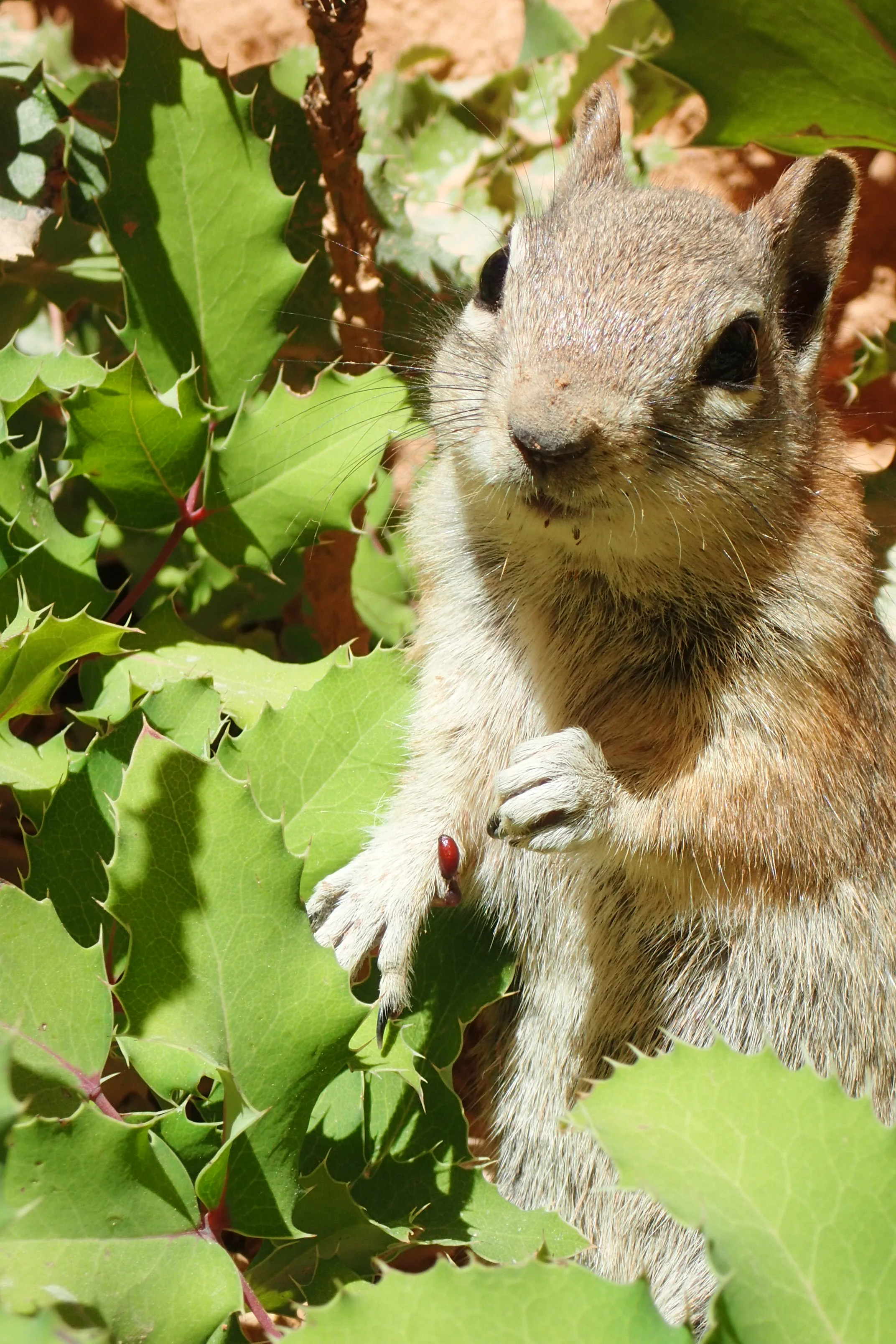
Photo Credit 11 (with squirrel): "Mahonia repens kz04" by Kenraiz is licensed under CC BY-SA 4.0.
Details & Craftsmanship
Every detail has been carefully considered to bring you the perfect product.
Details & Craftsmanship
Every detail has been carefully considered to bring you the perfect product.
Details & Craftsmanship
Every detail has been carefully considered to bring you the perfect product.
Details & Craftsmanship
Every detail has been carefully considered to bring you the perfect product.
Details & Craftsmanship
Every detail has been carefully considered to bring you the perfect product.
Details & Craftsmanship
Every detail has been carefully considered to bring you the perfect product.
Details & Craftsmanship
Every detail has been carefully considered to bring you the perfect product.
Details & Craftsmanship
Every detail has been carefully considered to bring you the perfect product.
Details & Craftsmanship
Every detail has been carefully considered to bring you the perfect product.
Details & Craftsmanship
Every detail has been carefully considered to bring you the perfect product.
Description
Mahonia repens
Creeping Oregon grape, also known as low Oregon grape, is evergreen, hardy, and drought-tolerant. It flaunts drooping sprays of fragrant yellow blooms that support an array of bees, hummingbirds and other pollinators, then mature into berries for backyard birds and wildlife. Its leaves are softer and rounder than its cousin the tall Oregon grape, and provide seasonal color to the garden with a dull bluish green hue in summer and shades of bronze, maroon and red in winter.
- Plant type/canopy layer: evergreen, perennial, small shrub
- Size at maturity: 1'-3' tall, 1'-3' wide
- Light requirements: full sun, part sun/part shade, full shade
- Moisture requirements: dry to moist soil, prefers well-drained
- Bloom time: April - July
- Growth rate/ease: medium growth rate, easy to grow
- Wildlife support: blooms are very attractive to bees, other insect pollinators and hummingbirds; berries are eaten by birds; foliage provides cover for many species
- Native habitat/range: common in open woods, especially conifer forests, shrublands, and grasslands up to 2300 m, mainly found east of the Cascades in Oregon and Washington north into British Columbia and south through California and into Texas and extending east into Idaho, Nevada and South Dakota. Portland Plant List - no.
- Special features & uses: evergreen; wildlife favorite, including hummingbirds; drought-tolerant; deer resistant; edible though sour, berries can be juiced, made into jelly or wine, by itself or in combination with other berries such as salal; roots of all Mahonias can be used for making yellow dye, especially for baskets and other fibers
Gardening with Creeping Oregon Grape: Many native plant purists pass over this plant, since it is native east of the Cascades, and historically not present in the Portland Metro area. However, this species is significantly more versatile and able to tolerate increasingly hot and dry summers than its locally native cousins. In part sun, it will flourish, but it can also tolerate full sun, especially if provided a little supplemental moisture, as well as full shade - even dry shade. It spreads slowly, but once established, is exceptionally hardy and makes a perfect addition to your pollinator garden, as a groundcover under tall trees or in other dry corners of the garden.
Photo Credit: 1 (flowers, close): "Mahonia repens - creeping barberry" by Matt Lavin is licensed under CC BY-SA 2.0. Photo Credit (flowers/foliage): © marek, some rights reserved (CC-BY)
Photo Credit 2 (foliage, habit): © Jens-Christian Svenning, some rights reserved (CC-BY)
Photo Credit 3 (flowers, close): "Mahonia repens" by amywashuta is licensed under CC BY 2.0.
Photo Credit 4 (young, flowering habit): © Tyler Hacking, some rights reserved (CC-BY)
Photo Credit 5 (flowering habit): © Henrik Kibak, some rights reserved (CC-BY)
Photo Credit 6 (berries): © Anders Hastings, some rights reserved (CC-BY)
Photo Credit 7 (berries): © Elaine Wolshock/Matthew Fook, some rights reserved (CC-BY)
Photo Credit 8 (in a habitat garden): Tracy Cozine, Sparrowhawk Native Plants
Photo Credit 9 (in the wild): © Stephen Hornbeck, some rights reserved (CC-BY)
Photo Credit 10 (wild, population flowering): © Rolf Lawrenz, some rights reserved (CC-BY)
Photo Credit 11 (with squirrel): "Mahonia repens kz04" by Kenraiz is licensed under CC BY-SA 4.0.